
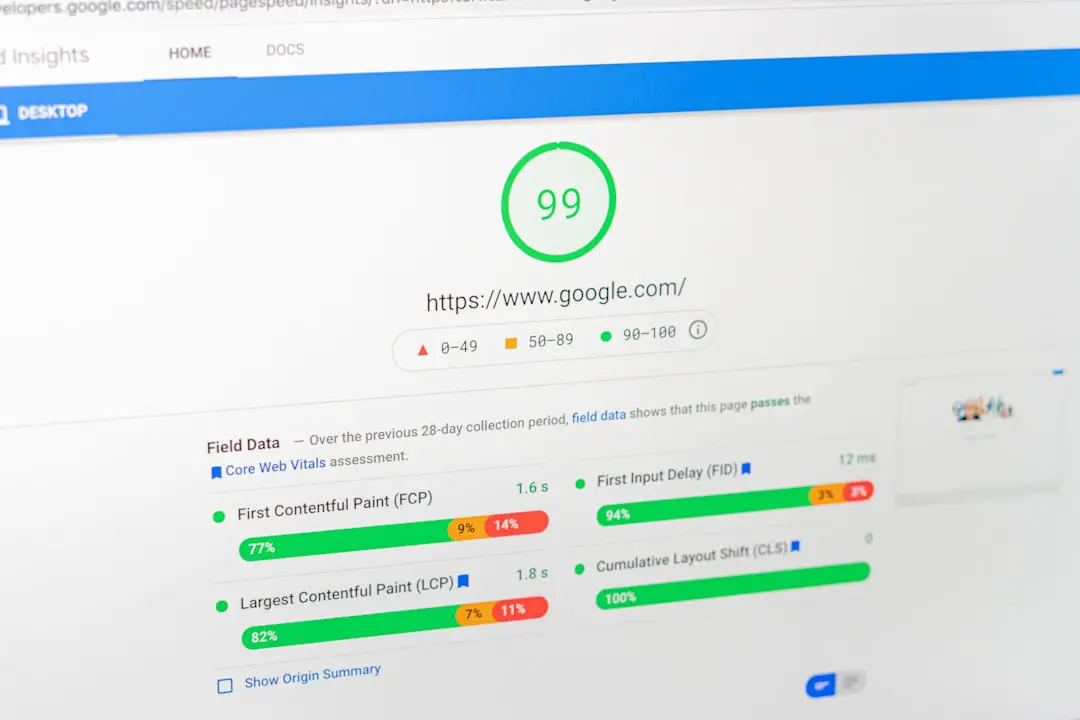
Choosing the right managed hosting service can determine whether your eCommerce business merely survives or scales efficiently in an increasingly competitive digital market. Performance, uptime, security, scalability, and support all directly influence conversions, revenue, and customer trust. As online stores grow more complex, many businesses are turning to managed hosting solutions to eliminate technical bottlenecks and focus on revenue-driving activities.
TLDR: Managed hosting services remove the technical burden of server management while improving speed, security, and scalability for eCommerce stores. The best providers offer optimized infrastructure, proactive monitoring, strong SLAs, and expert support tailored for platforms like Shopify, WooCommerce, Magento, and BigCommerce. This guide reviews ten of the most reliable managed hosting services for sustainable eCommerce growth. Choosing the right one depends on your store size, growth plans, and technical requirements.
Below is a carefully evaluated list of the 10 best managed hosting services for eCommerce growth.
1. Shopify Plus
For growing and enterprise-level brands, Shopify Plus delivers a fully managed eCommerce infrastructure that removes virtually all hosting concerns. It offers built-in scalability, PCI compliance, automated updates, and exceptional uptime.
- Unlimited bandwidth
- Global CDN integration
- Automatic scaling during traffic spikes
- 24/7 priority support
This platform is particularly suited for high-volume merchants seeking predictable performance without managing servers.

2. WP Engine (WooCommerce Hosting)
WP Engine provides a managed WordPress hosting environment optimized for WooCommerce. Its high-performance infrastructure and advanced caching layer significantly improve page load times, which directly impacts conversion rates.
Key advantages include:
- Daily automated backups
- Advanced security monitoring
- Automatic WordPress updates
- Dedicated WooCommerce support specialists
For mid-sized online stores running WooCommerce, WP Engine offers reliability and proactive management that reduce downtime risks.
3. BigCommerce Enterprise
BigCommerce Enterprise combines managed hosting with robust built-in commerce features. It’s particularly strong for B2B sellers and omnichannel retailers.
All hosting is fully handled, including performance optimization, security updates, and compliance standards. The platform is designed to support rapid scaling without requiring infrastructure upgrades.
- High API performance
- Multi-storefront capabilities
- Strong SEO tools
- Enterprise-level uptime guarantees
4. Nexcess (Liquid Web)
Nexcess, a brand under Liquid Web, provides managed hosting tailored for WooCommerce and Magento stores. It balances flexibility with proactive server management.
Key features include:
- Auto-scaling technology
- Built-in CDN
- Image compression tools
- Performance monitoring
Nexcess is ideal for fast-growing stores that anticipate seasonal spikes or promotional sales events.
5. Kinsta
Kinsta operates entirely on Google Cloud’s premium infrastructure. Known for its speed and security, it provides a highly optimized environment for WooCommerce.
Kinsta’s strengths include:
- Enterprise-grade firewalls
- Automatic scaling with Google Cloud
- Free migrations
- Staging environments
The platform’s intuitive dashboard simplifies performance tracking, backups, and development workflows.

6. SiteGround Cloud Hosting
SiteGround is well known for customer support and reliable hosting environments. Its fully managed cloud hosting offers dedicated resources and automated scalability.
Major benefits:
- AI anti-bot systems
- SuperCacher performance technology
- Daily backups
- High-speed SSD storage
SiteGround works particularly well for small-to-medium eCommerce stores preparing for steady growth.
7. Cloudways
Cloudways takes a unique approach by offering managed hosting on top of leading cloud providers such as AWS, Google Cloud, and DigitalOcean. This allows businesses to select the infrastructure that fits their budget and scale.
What distinguishes Cloudways:
- Flexible pay-as-you-go pricing
- Managed security patches
- Free SSL certificates
- One-click scaling
For technically inclined teams that want flexibility without managing raw servers, Cloudways offers an appealing middle ground.
8. Rackspace Technology
For enterprise merchants requiring custom solutions, Rackspace delivers fully managed hosting with extensive cloud expertise.
Services include:
- Multi-cloud architecture
- Compliance management
- 24/7 expert support
- Custom infrastructure design
This solution fits corporations running complex infrastructures that demand dedicated engineering resources.
9. A2 Hosting Managed VPS
A2 Hosting provides managed VPS solutions delivering improved performance over shared hosting at a more accessible price point than enterprise services.
Core advantages:
- Turbo servers for speed optimization
- Managed security updates
- Root access options
- Developer-friendly environment
A2 Hosting is particularly suitable for growing eCommerce brands transitioning from shared hosting to more powerful infrastructure.
10. Bluehost WooCommerce Hosting
Bluehost offers managed WooCommerce hosting designed for smaller stores and entrepreneurs entering the eCommerce space.
Features include:
- Pre-installed WooCommerce
- Free domain for the first year
- SSL certificate included
- Marketing and analytics integrations
While not as powerful as enterprise platforms, Bluehost provides a stable starting point for early-stage growth.

Key Factors to Consider When Choosing Managed Hosting
Choosing the right provider requires more than comparing pricing tables. Serious eCommerce businesses should focus on the following critical factors:
1. Performance and Speed
Slow loading pages reduce search rankings and customer trust. Look for built-in caching, CDN integration, SSD storage, and optimized server stacks.
2. Scalability
Your infrastructure must handle traffic spikes during promotions, holidays, and viral campaigns without crashing.
3. Security and Compliance
PCI compliance, malware scanning, firewalls, and DDoS protection are essential for protecting payment data and customer information.
4. Reliability and Uptime
A service-level agreement (SLA) offering at least 99.9% uptime is the baseline expectation.
5. Support Expertise
Access to platform-specific experts can dramatically reduce issue resolution time, preventing revenue loss during outages.
Why Managed Hosting Accelerates eCommerce Growth
Managed hosting allows companies to shift focus from infrastructure management to marketing, product development, and customer experience. Instead of allocating time and budget to IT firefighting, teams can prioritize optimization and conversion strategies.
Reduced downtime means uninterrupted revenue streams. Improved site speed directly increases search visibility and conversion rates. Enhanced security protections preserve brand reputation and customer trust.
Most importantly, managed solutions provide predictable scalability. As traffic grows, infrastructure adjusts automatically, preventing reputation-damaging site crashes.
Final Thoughts
Managed hosting is no longer a luxury—it is a foundational investment for sustainable eCommerce growth. From fully integrated platforms like Shopify Plus and BigCommerce to highly customizable managed cloud environments like Cloudways and Rackspace, today’s businesses have access to a wide spectrum of solutions.
The right choice depends on your stage of growth:
- Startup level: Bluehost or SiteGround
- Growth stage: WP Engine, Nexcess, or Kinsta
- Enterprise scale: Shopify Plus, BigCommerce Enterprise, or Rackspace
Carefully assessing your performance needs, traffic expectations, and long-term growth strategy will ensure your hosting provider becomes a competitive advantage rather than a limitation. In the fast-moving world of digital commerce, infrastructure reliability is not optional—it is strategic.