
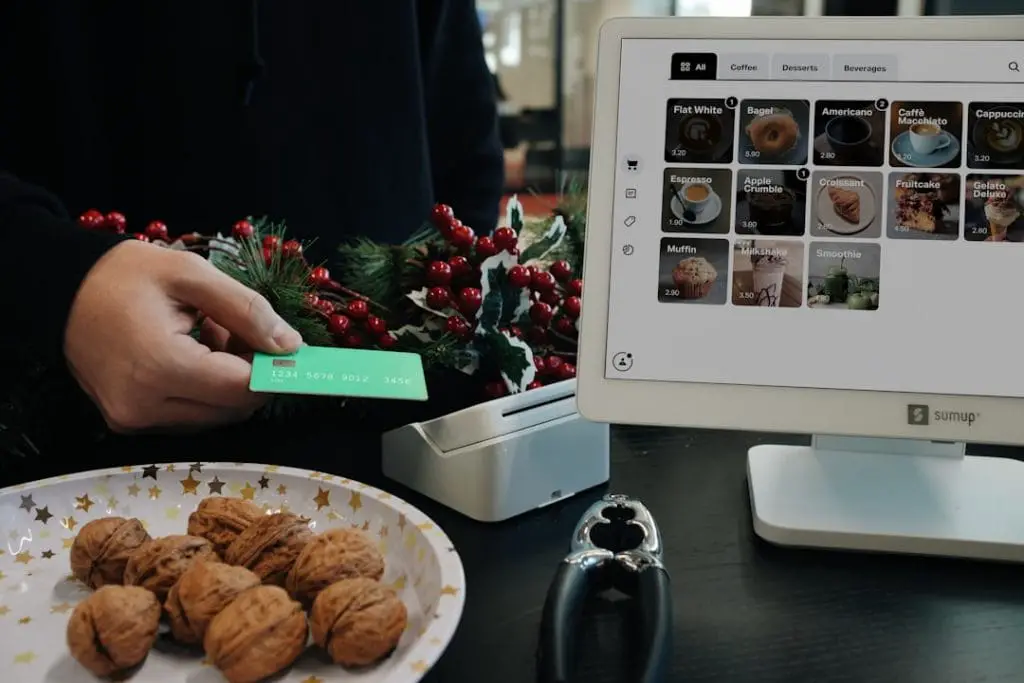
In today’s fast-moving, increasingly cashless world, the ability to accept payments anywhere is no longer a luxury—it’s a necessity. Whether you’re a food truck owner, freelance photographer, craft fair vendor, consultant, or small retail operator, smartphone payment processing tools give you the freedom to turn your phone into a secure, portable point-of-sale system. With the right app and card reader, you can accept credit cards, contactless payments, and even digital wallets from virtually anywhere.
TLDR: Smartphone payment processing tools allow businesses to accept credit cards and digital payments using just a phone and a small card reader. Top options like Square, PayPal Zettle, and Stripe Terminal offer flexible hardware, transparent pricing, and powerful software features. Choosing the best tool depends on your business size, transaction volume, and feature needs. With the right solution, you can boost sales, improve customer experience, and operate from anywhere.
Below, we explore three powerful smartphone payment processing tools that make accepting payments on the go simple, secure, and professional.
1. Square: The All-in-One Mobile Payment Powerhouse
Square has become almost synonymous with mobile payments—and for good reason. Known for its ease of use, transparent pricing, and robust feature set, Square is ideal for small to medium-sized businesses that want an all-in-one mobile point-of-sale (POS) solution.


Key Features
- Free POS app with inventory tracking
- Accepts chip, swipe, and contactless payments
- Digital receipts and tipping options
- Real-time sales analytics
- Flat-rate transaction pricing
Square’s card reader connects wirelessly to your smartphone, allowing you to accept EMV chip cards, NFC tap payments, and mobile wallets like Apple Pay and Google Pay. The setup is straightforward: download the app, link your bank account, and pair the reader via Bluetooth.
One of Square’s standout advantages is its transparent fee structure. You typically pay a flat percentage per transaction, which simplifies accounting and eliminates confusing rate tiers.
Best For
- Food trucks and pop-up shops
- Retail vendors
- Service providers who need invoicing and inventory tools
Why choose Square? If you want a seamless, scalable system with strong reporting tools and minimal setup hassle, Square is hard to beat.
2. PayPal Zettle: Flexible and Globally Trusted
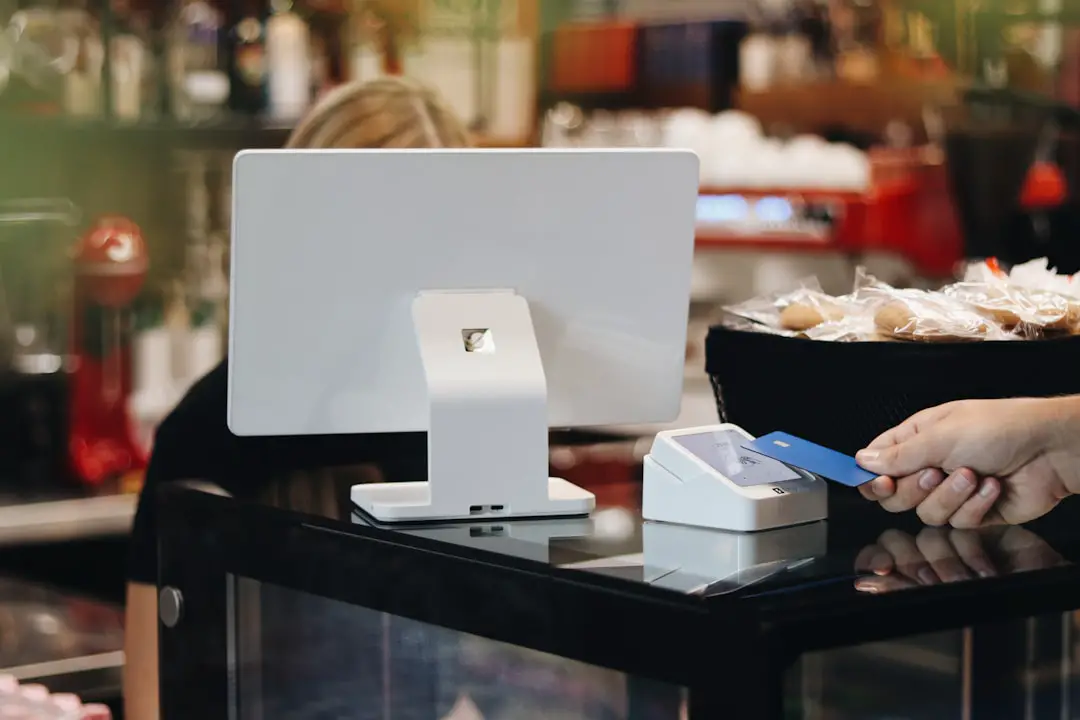
PayPal Zettle (formerly iZettle) combines the familiarity of the PayPal brand with powerful in-person selling tools. It’s particularly appealing for businesses that already use PayPal for online transactions and want to unify their payment ecosystem.

Key Features
- Integration with PayPal business accounts
- Accepts major credit cards and contactless payments
- Inventory and product library management
- Customizable receipts
- Quick fund transfers to PayPal accounts
Unlike some processors that require funds to settle in a traditional bank account first, PayPal Zettle allows you to access your money quickly within your PayPal balance. This can be especially helpful for businesses that frequently use PayPal for vendor payments or online purchases.
The mobile app is intuitive and offers a clean interface for managing products, taxes, discounts, and sales reports. You can also create product categories and upload images for a more visual checkout experience.
Best For
- Small retailers
- Event vendors
- Businesses already using PayPal for ecommerce
Why choose PayPal Zettle? If your online and offline payment systems need to work together effortlessly, this tool provides excellent synergy and brand trust.
3. Stripe Terminal: Powerful Customization for Growing Businesses
Stripe is widely known for powering online payments for startups and tech-forward brands. Stripe Terminal extends that power into the physical world, enabling businesses to unify online and in-person payment data under one platform.


Key Features
- Unified online and in-person reporting
- Advanced developer tools and API access
- Custom checkout experiences
- Secure encrypted transactions
- Scalable infrastructure
Stripe Terminal stands out for its developer flexibility. Businesses with custom apps or unique checkout experiences can integrate Stripe’s reader hardware directly into their systems via API. This allows for cohesive branding and streamlined reporting.
For example, if you run a multi-location retail operation with both ecommerce and in-store sales, Stripe lets you track customer behavior and payment data across all channels in one dashboard.
Best For
- Growing startups
- Multi-channel retailers
- Businesses with custom software needs
Why choose Stripe Terminal? If you need advanced customization and centralized reporting across platforms, Stripe offers enterprise-grade tools in a mobile-friendly package.
Comparison Chart
| Feature | Square | PayPal Zettle | Stripe Terminal |
|---|---|---|---|
| Ease of Setup | Very easy, plug and play | Easy, especially for PayPal users | Moderate, may require developer setup |
| Transaction Fees | Flat-rate pricing | Flat-rate pricing | Custom pricing structure |
| Best For | Small to medium businesses | Hybrid PayPal users | Scaling or tech-driven businesses |
| Inventory Tools | Built-in and robust | Solid product management | Customizable via integration |
| Online + In-Person Integration | Yes | Strong with PayPal ecosystem | Excellent, unified data reporting |
What to Look for in a Smartphone Payment Processing Tool
Before choosing a tool, consider the following factors:
1. Pricing Structure
Look beyond the transaction percentage. Consider hardware costs, monthly fees, and chargeback fees. A slightly higher transaction rate may be acceptable if the hardware is affordable and the software is included.
2. Hardware Compatibility
Ensure the card reader works with your specific smartphone operating system (iOS or Android). Bluetooth connectivity and battery life are also important for mobile setups.
3. Security and Compliance
Choose a provider that offers end-to-end encryption and is PCI DSS compliant. Secure systems protect both your business and your customers.
4. Scalability
Your needs may evolve. A system that works for a solo vendor today should still support you if you expand into multiple locations tomorrow.
5. Reporting and Analytics
Data-driven decisions fuel growth. Access to sales reports, customer insights, and performance metrics can help you optimize pricing, staffing, and inventory.
The Benefits of Accepting Payments on the Go
Switching to a smartphone payment system offers more than just convenience:
- Increased Sales: Customers are more likely to buy when card and mobile payment options are available.
- Faster Checkout: Tap-to-pay speeds up transaction times.
- Improved Customer Experience: Professional receipts and smooth transactions build trust.
- Reduced Cash Risks: Digital payments lower the risk of theft or miscounted cash.
- Business Mobility: Sell at markets, events, trade shows, or client sites effortlessly.
In an era where contactless payments are increasingly preferred, having a portable payment solution is no longer optional—it’s an expectation.
Final Thoughts
The right smartphone payment processing tool can transform your phone into a fully functional, revenue-generating machine. Whether you prioritize simplicity (Square), ecosystem integration (PayPal Zettle), or customization and scalability (Stripe Terminal), each option provides secure, modern payment capabilities designed for mobility.
By evaluating your business model, transaction volume, and growth plans, you can select a platform that not only meets your current needs but also supports your future ambitions. In today’s digital-first economy, giving customers the freedom to pay how and where they want isn’t just smart—it’s essential.