
Accurate demand forecasting has become a cornerstone of modern business strategy. As markets grow more volatile and customer behavior shifts rapidly, organizations must rely on sophisticated software tools to anticipate trends, optimize inventory, and reduce operational risks. Demand forecasting software leverages data analytics, artificial intelligence, and historical insights to help companies make informed decisions and stay competitive in dynamic industries.
TLDR: Demand forecasting software helps businesses predict customer demand, reduce inventory costs, and respond quickly to market changes. Tools like SAP Integrated Business Planning, Oracle Demand Management Cloud, Forecast Pro, and NetSuite Demand Planning offer advanced analytics, AI-driven insights, and real-time collaboration features. Choosing the right solution depends on company size, industry, and integration needs. Investing in forecasting software improves accuracy, financial planning, and overall operational efficiency.
With numerous options available, selecting the right platform can be challenging. Below are four leading demand forecasting software solutions widely recognized for their ability to predict market trends effectively.
1. SAP Integrated Business Planning (IBP)
SAP Integrated Business Planning (IBP) is an enterprise-level solution designed for large and complex supply chains. Known for its robust analytics and scalability, SAP IBP integrates sales, finance, and operations planning into a unified system.

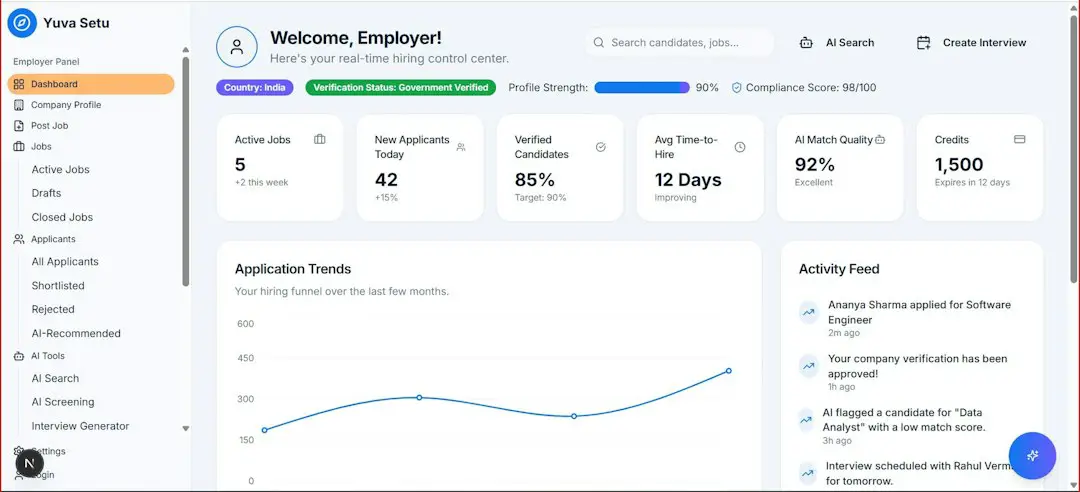
One of the standout features of SAP IBP is its real-time data processing. Businesses can continuously monitor sales performance, customer trends, and supply chain variables. By incorporating machine learning algorithms, the platform can detect demand patterns and suggest optimized responses.
Key Features:
- Advanced predictive analytics and machine learning
- Real-time scenario planning and simulation
- Seamless integration with SAP ERP systems
- Cloud-based collaboration tools
SAP IBP is particularly beneficial for multinational corporations managing diverse product lines. Its ability to handle massive datasets makes it ideal for industries such as manufacturing, automotive, and consumer goods. However, its robust feature set may require significant investment and technical expertise to implement effectively.
2. Oracle Demand Management Cloud
Oracle Demand Management Cloud combines artificial intelligence with deep data modeling capabilities. Designed for scalability, it serves midsize and large enterprises seeking advanced forecasting precision.
Oracle’s platform uses a combination of historical sales data, market indicators, and external variables—such as economic trends or seasonal fluctuations—to produce highly accurate forecasts. The system continuously refines its predictions as new data becomes available.

Key Features:
- AI-driven demand forecasting
- Demand sensing for short-term accuracy
- Built-in risk analysis tools
- Integration with Oracle supply chain applications
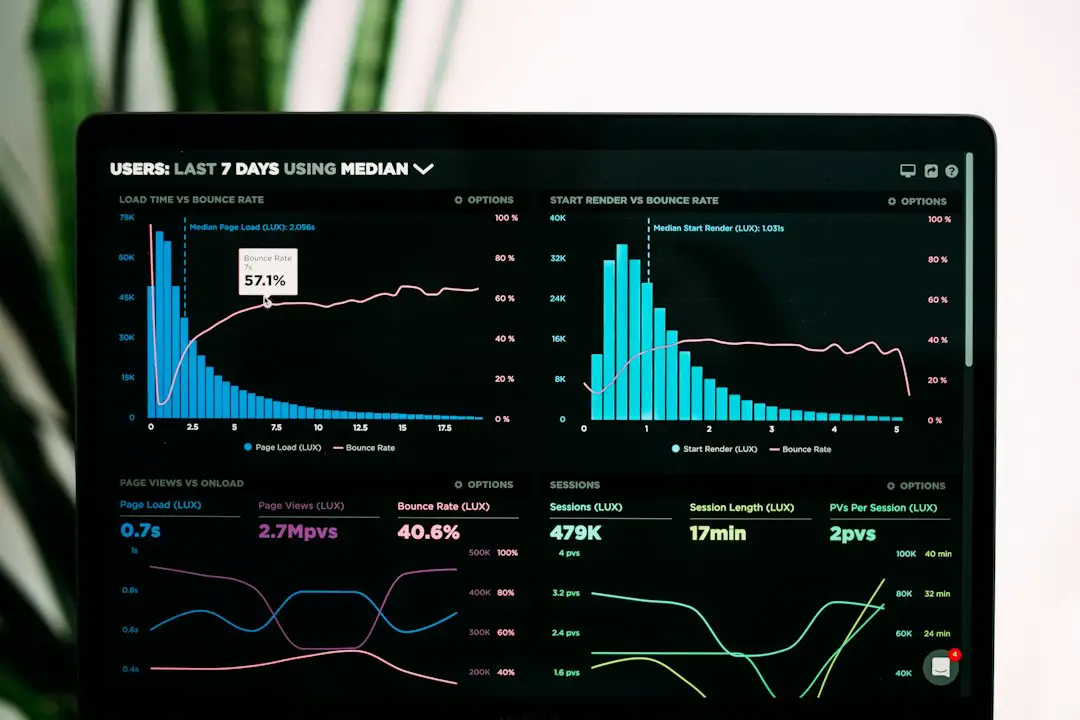
Oracle Demand Management Cloud stands out for its demand sensing capabilities. Demand sensing leverages near-real-time data signals—such as recent sales spikes or shipment activity—to adjust short-term forecasts. This feature is particularly useful in retail and e-commerce, where consumer preferences shift rapidly.
Additionally, Oracle’s intuitive dashboards enable managers to visualize data clearly, ensuring cross-functional teams can align around shared forecasts and planning objectives.
3. Forecast Pro
Forecast Pro is a specialized forecasting tool known for its statistical precision and user-friendly interface. Unlike enterprise-heavy platforms, Forecast Pro focuses exclusively on demand forecasting and inventory planning, making it a strong choice for small to midsize businesses.
What differentiates Forecast Pro is its automatic best-fit modeling. The system evaluates historical data and selects the most appropriate forecasting model, reducing manual intervention and improving reliability.
Key Features:
- Automatic statistical model selection
- Inventory optimization tools
- Collaborative forecasting capabilities
- Integration with ERP and accounting systems
Businesses that lack extensive data science resources often appreciate Forecast Pro’s simplicity. The software translates complex analytics into digestible insights, enabling non-technical users to understand forecast drivers and adjust plans accordingly.
It is especially popular in distribution, food and beverage, and pharmaceutical industries, where accurate forecasting directly impacts shelf availability and regulatory compliance.
4. NetSuite Demand Planning
NetSuite Demand Planning is a cloud-based solution embedded within the NetSuite ERP ecosystem. It caters primarily to growing businesses that require integrated financial and operational forecasting.
NetSuite uses historical sales patterns and inventory data to generate forecasts that can be adjusted manually or automatically. Its flexibility allows users to choose between different forecasting methods, such as moving averages or seasonal models.
Key Features:
- Multiple forecasting methodologies
- Real-time inventory visibility
- Automated replenishment planning
- Full integration with financial management tools
Because NetSuite combines accounting, CRM, and supply chain management in one system, decision-makers gain a holistic view of business performance. This integrated approach allows organizations to align sales forecasts with cash flow and procurement strategies.
For mid-sized companies transitioning from spreadsheets to automation, NetSuite provides a manageable learning curve and flexible scalability.
Why Demand Forecasting Software Matters
Modern markets are influenced by countless variables, including global supply disruptions, shifting consumer tastes, and technological innovation. Manual forecasting methods often fail to account for these complexities. Demand forecasting software uses advanced algorithms to analyze structured and unstructured data, offering businesses a clearer picture of future demand scenarios.
Key Benefits Include:
- Improved Accuracy: AI and machine learning reduce human error.
- Cost Reduction: Better inventory control minimizes overstocking and stockouts.
- Enhanced Customer Satisfaction: Accurate forecasts ensure product availability.
- Strategic Planning: Data-driven insights support long-term growth initiatives.
In highly competitive industries, even minor forecast inaccuracies can lead to lost revenue or excess inventory costs. Investing in reliable forecasting tools therefore becomes not just an operational decision but a strategic imperative.
How to Choose the Right Solution
Selecting the appropriate demand forecasting software depends on several factors. Companies should evaluate their operational complexity, budget, and integration requirements.
Consider the Following:
- Business Size: Enterprises may require highly scalable systems like SAP or Oracle, while smaller companies might prefer Forecast Pro or NetSuite.
- Integration Needs: Compatibility with existing ERP or CRM systems is essential.
- Industry Requirements: Certain industries demand advanced compliance tracking or demand sensing.
- User Expertise: Platforms vary in technical complexity.
Organizations should also prioritize vendors offering strong customer support and training resources. Even the most advanced forecasting models deliver limited value without proper implementation and user adoption.
The Future of Demand Forecasting
The future of demand forecasting lies in increased automation and enhanced predictive intelligence. Emerging technologies such as generative AI and advanced neural networks promise even deeper insights into consumer behavior. Additionally, real-time data streams from IoT devices and digital commerce platforms will enable hyper-accurate short-term forecasting.
As sustainability becomes a business priority, forecasting software will also play a role in minimizing waste and optimizing resource consumption. Predictive analytics may soon help companies not only anticipate demand but also align production with environmental goals.
Ultimately, businesses that embrace advanced forecasting tools position themselves to adapt proactively rather than reactively. In an era defined by uncertainty, predictive visibility is a competitive advantage.
FAQ
- 1. What is demand forecasting software?
Demand forecasting software is a digital tool that uses historical data, statistical models, and artificial intelligence to predict future customer demand for products or services. - 2. How accurate is demand forecasting software?
Accuracy depends on data quality, chosen algorithms, and external market factors. Advanced platforms using AI and demand sensing can significantly improve forecast precision compared to manual methods. - 3. Is demand forecasting software only for large enterprises?
No. While some solutions cater to large corporations, many platforms are designed for small and mid-sized businesses seeking scalable and user-friendly tools. - 4. What industries benefit most from demand forecasting?
Retail, manufacturing, pharmaceuticals, food and beverage, automotive, and e-commerce industries benefit greatly due to fluctuating demand and complex supply chains. - 5. Can forecasting software integrate with existing ERP systems?
Most modern solutions are built to integrate with popular ERP, CRM, and accounting platforms, ensuring seamless data sharing and improved operational alignment. - 6. How long does implementation typically take?
Implementation can range from a few weeks for smaller tools to several months for complex enterprise systems, depending on customization and integration requirements.