

A 4K streaming encoder turns raw ultra high definition video into a compressed, streamable signal that can survive real networks without destroying image quality. It handles huge frame sizes, high bitrates, color data, motion, audio sync, and live delivery rules all at once. The best results usually come from hardware encoders or well tuned software encoders using HEVC, AV1, or high quality H.264 profiles.
TLDR: A 4K streaming encoder compresses 3840 x 2160 video into a manageable stream for platforms, apps, and smart TVs. For example, a live event producer might send a 4K HEVC stream at 18 Mbps instead of pushing an uncompressed signal that could exceed 10 Gbps. In many workflows, HEVC can cut bandwidth needs by roughly 40% to 50% compared with H.264 at similar visual quality. The catch is that better compression often demands stronger hardware and more careful testing.
What a 4K Streaming Encoder Actually Does
A 4K streaming encoder takes video from a camera, switcher, capture card, media server, or production system and converts it into a digital stream. That stream can then be sent to a CDN, video platform, private app, or broadcast control room.
Raw 4K video is massive. A single 4K frame has more than 8 million pixels. At 60 frames per second, the encoder must process nearly 500 million pixels every second before audio, metadata, captions, and packaging are added. That is why encoding is not a simple file conversion job. It is real time image analysis under pressure.
The encoder decides what visual data to keep, what to reduce, and how to package the stream. It must preserve faces, motion, detail, color gradients, and scene changes. If the encoder fails, the result is easy to spot: blocky shadows, smeared grass, choppy motion, audio drift, or buffering right when the viewer cares most.


Ultra High Definition Video and Why It Is Hard to Stream
4K video usually means 3840 x 2160 pixels for streaming, also called UHD. Some cinema workflows use 4096 x 2160, but most platforms expect UHD. More pixels create sharper images, larger screens, and better detail. They also create more stress.
A 4K encoder must handle several video traits at once:
- Resolution: four times the pixel count of 1080p.
- Frame rate: 30 fps, 50 fps, or 60 fps for sports, concerts, and gaming.
- Color depth: 8 bit or 10 bit, with 10 bit preferred for HDR.
- Color space: Rec. 709 for SDR or Rec. 2020 for many HDR workflows.
- HDR metadata: values that help displays show brightness and contrast correctly.
Motion makes the job harder. A locked off interview compresses easily. A football match, esports final, or stage show with flashing lights is far more difficult. The encoder must update more pixels between frames, so it needs more bitrate or smarter compression.
Bitrate: The Balance Between Quality and Stability
Bitrate is the amount of data used per second for the stream. Higher bitrate can improve quality, but it also raises delivery cost and increases the chance of buffering. Lower bitrate saves bandwidth, but it can crush fine detail.
Typical 4K live streaming bitrates may look like this:
- 4K H.264: 25 to 45 Mbps for good live quality.
- 4K HEVC: 12 to 25 Mbps in many professional cases.
- 4K AV1: 10 to 20 Mbps, depending on encoder speed and device support.
These are not fixed rules. A talking head can look fine at a lower bitrate. Fast sports may need more. Some platforms also cap recommended bitrates, which drives operators crazy when the source looks great locally but turns soft after platform processing.
Many encoders use CBR, VBR, or ABR ladder settings. CBR, or constant bitrate, keeps the stream steady. VBR, or variable bitrate, spends more data on complex scenes and less on simple ones. ABR, or adaptive bitrate, creates several versions of the stream, such as 4K, 1440p, 1080p, and 720p, so viewers receive the version their connection can handle.
Compression: How Quality Is Preserved
Compression works by removing repeated or less visible information. Modern encoders compare frames, detect motion, group pixels into blocks, and predict what will change next. The goal is simple: keep the picture convincing while sending less data.
The most common codecs are:
- H.264 AVC: widely supported, mature, and reliable, but less efficient for 4K.
- H.265 HEVC: strong for 4K and HDR, with better compression than H.264.
- AV1: highly efficient and growing fast, though live encoding can require strong compute power.
HEVC is often the safest high quality choice for premium 4K streaming because it balances device support and bandwidth savings. AV1 can be excellent, especially for large platforms, but it may add complexity in live production. H.264 still works, but it usually needs more bitrate to avoid artifacts.

Hardware Encoders vs Software Encoders
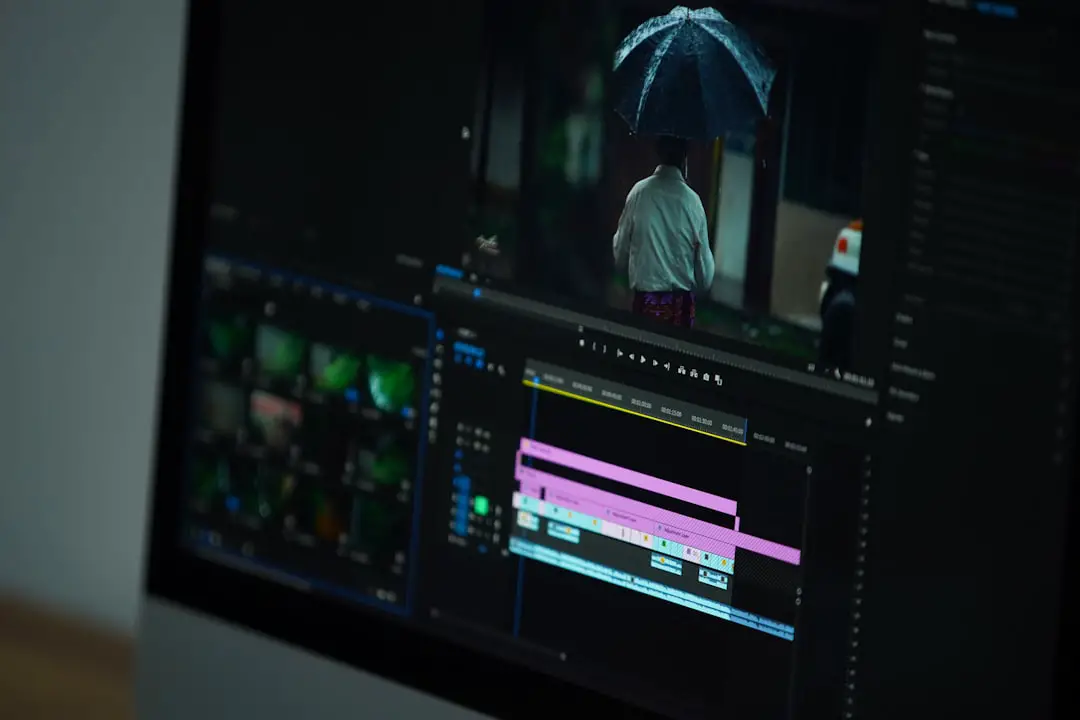
A hardware 4K streaming encoder uses dedicated chips to encode video. It is common in broadcast, worship, education, sports, and enterprise events. Hardware boxes are built for low latency and stable uptime. They also reduce the risk of a background process stealing CPU resources at the worst moment.
A software encoder runs on a computer or server. It offers flexibility, plugin support, graphics, recording, and quick changes. It can also be cheaper at first. Honestly, it feels like every software encoder has one setting buried three menus deep that costs five extra minutes during setup. That delay matters before a live stream.
Hardware is often better when reliability matters most. Software is useful when the operator needs scene control, overlays, screen capture, or remote contribution tools. Some advanced workflows combine both. The software handles production, and the hardware encoder handles final 4K output.
Live Streaming Requirements
Live 4K streaming has less room for error than file encoding. The encoder must process frames as they arrive. It cannot spend minutes improving a scene. It has milliseconds.
Key live settings include:
- Latency: lower delay helps sports, auctions, gaming, and interactive events.
- Keyframe interval: often set to 2 seconds for platform compatibility.
- Protocol: RTMP, SRT, RIST, HLS, DASH, or WebRTC, depending on the workflow.
- Redundancy: dual internet paths, backup encoders, or failover streams.
- Monitoring: bitrate, dropped frames, audio levels, packet loss, and thermal status.
SRT and RIST are popular for contribution because they handle unstable networks better than older methods. RTMP remains common for sending streams to platforms, though it is aging. HLS and DASH are used for viewer playback at scale.

Choosing the Right 4K Encoder
The right encoder depends on the source, platform, audience size, network, and budget. A studio running weekly 4K interviews has different needs than a stadium sending HDR sports to a paid app.
Buyers and engineers usually compare:
- Codec support: HEVC and AV1 matter for efficient 4K delivery.
- Input options: HDMI 2.0, 12G SDI, IP video, or NDI.
- HDR support: needed for premium sports, concerts, and cinema style content.
- Audio handling: embedded audio, multiple tracks, loudness control, and sync tools.
- Network features: bonded connections, SRT, failover, and remote management.
- Heat and power: often overlooked, then regretted after a long event.
A good 4K encoder should be tested with the hardest content before a real event. Fast motion, dark scenes, bright lights, and fine textures expose weak settings quickly. A 20 minute test can reveal dropped frames, overheating, bad keyframes, or an upload path that cannot hold the target bitrate.
FAQ
What is a 4K streaming encoder?
A 4K streaming encoder is a device or software system that converts ultra high definition video into a compressed stream for online delivery, recording, or broadcast contribution.
What bitrate is best for 4K live streaming?
Many 4K live streams use 12 to 25 Mbps with HEVC or 25 to 45 Mbps with H.264. The right number depends on motion, frame rate, codec, and platform limits.
Is HEVC better than H.264 for 4K?
Yes, in most 4K cases. HEVC usually provides similar quality at a much lower bitrate than H.264. Device and platform support should still be checked before use.
Can software encode 4K live video?
Yes. A strong workstation or GPU based system can encode 4K live video. Hardware encoders are often preferred for long events because they are usually more stable and easier to lock down.
Does 4K streaming require HDR?
No. 4K refers to resolution, while HDR refers to brightness, contrast, and color range. A stream can be 4K SDR or 4K HDR.
Why does a 4K stream buffer even with a high bitrate?
Buffering can come from weak upload speed, packet loss, poor CDN routing, overloaded Wi Fi, device limits, or an ABR ladder that is not tuned well. Bitrate is only one part of stable delivery.