

In 2026, the most memorable marketing campaigns do not simply advertise a product; they create a participatory experience. Brands are blending AI personalization, immersive retail, creator communities, sustainability data, and real-time social feedback to make campaigns feel alive. The following six examples show how modern marketing is shifting from broad messaging to interactive storytelling.
TLDR: The standout marketing campaigns of 2026 combine personalization, entertainment, and measurable utility. A retail brand, for example, can use AI styling quizzes and location-based offers to lift conversion rates by 18% in 30 days while reducing abandoned carts by 22%. The best campaigns give audiences something useful, shareable, or emotionally memorable rather than relying only on traditional ads. These six examples show how brands are turning campaigns into experiences.
1. The AI Personal Shopper Pop-Up
One of the strongest 2026 campaign formats is the AI-assisted retail pop-up. Instead of asking shoppers to browse hundreds of products, a fashion retailer creates a temporary store where visitors answer a short style quiz, scan a QR code, and receive a personalized rack of clothing recommendations within minutes.
The campaign stands out because it connects digital convenience with the excitement of in-person discovery. Screens display recommended outfits, smart mirrors suggest accessories, and mobile checkout removes waiting time. For online audiences, the same experience is recreated through an interactive landing page and short-form videos showing real shoppers receiving their curated looks.
- Why it works: It reduces choice overload and makes personalization feel tangible.
- Best channel mix: Pop-up retail, TikTok, Instagram Reels, email retargeting, and SMS offers.
- Key metric: Product recommendation click-through rate and in-store conversion rate.

2. The “Scan the City” Augmented Reality Hunt
In 2026, augmented reality campaigns are becoming more practical and less gimmicky. A beverage brand, for instance, launches a citywide AR treasure hunt where users scan murals, bus shelters, and product packaging to unlock digital collectibles, discount codes, and concert ticket entries.
This kind of campaign succeeds because it turns ordinary locations into branded touchpoints. Instead of watching a passive ad, participants physically move through the city, share discoveries, and invite friends to join. The campaign also gives the brand valuable location insights without forcing users through a complicated sign-up process.
The most innovative part is the use of progressive rewards. A participant who scans one location receives a small coupon, while a participant who completes five locations unlocks exclusive merchandise or event access. This reward ladder encourages repeat engagement and social sharing.
3. The Creator-Led Product Lab
Another standout 2026 marketing example is the creator-led product lab. Rather than hiring creators only to promote a finished product, a beauty or wellness brand invites a group of niche creators to help develop limited-edition items in public.
Audiences vote on packaging colors, fragrance notes, product names, and launch bundles. Each decision becomes content. The result is not just a product drop, but a months-long story that followers feel they helped shape. This campaign format is especially powerful because it turns community feedback into proof of demand before the product reaches the market.
- Phase one: Creators reveal the concept and ask followers for input.
- Phase two: The brand shares behind-the-scenes testing and prototypes.
- Phase three: Followers pre-order the final product and receive creator-exclusive perks.
In a strong execution, the brand tracks comment sentiment, waitlist sign-ups, creator discount code usage, and repeat purchase intent. A campaign like this can generate strong loyalty because buyers feel like co-creators, not just customers.
4. The Sustainability Receipt Campaign
Sustainability marketing in 2026 is moving beyond vague claims. A smart campaign example is the sustainability receipt, where every purchase comes with a clear, visual breakdown of environmental impact. A home goods company might show how much recycled material was used, how packaging emissions were reduced, and how long the product is expected to last.
The campaign works because the proof appears at the moment of purchase, when trust matters most. Instead of saying “eco-friendly,” the brand shows numbers, comparisons, and practical care tips. Customers can also share their sustainability receipt on social media, turning transparency into a brand asset.


To avoid sounding self-congratulatory, the best versions include both strengths and trade-offs. For example, a brand might state that a product uses 64% recycled material while acknowledging that shipping still represents a major emissions source. This honesty increases credibility and helps the campaign stand out in a market where consumers are skeptical of greenwashing.
5. The Real-Time Fan Remix Campaign
Entertainment brands are using real-time remix campaigns to keep audiences engaged after a launch. A streaming platform, music label, or gaming company can invite fans to remix trailers, sound clips, character lines, or visual assets using approved templates.
The difference in 2026 is speed. AI-assisted moderation and brand-safe editing tools allow fan content to appear on official channels within hours. The brand highlights the best remixes on digital billboards, social feeds, and live event screens. This gives fans a reason to create quickly and gives the brand a continuous stream of fresh content.
- Why it stands out: It transforms fans into campaign participants.
- Risk to manage: Clear usage rights and moderation rules are essential.
- Best measurement: Volume of user-generated content, share rate, and audience retention.
This approach works particularly well for launches that need more than a one-week burst of attention. By letting fans remix the campaign, the brand gives the audience ownership of the cultural moment.
6. The Utility-First Loyalty Challenge
The most effective loyalty campaigns of 2026 are not built only around points. They provide daily utility. A fitness, grocery, or financial services brand might launch a 30-day challenge where participants receive personalized tips, milestone rewards, and useful progress reports.
For example, a grocery chain could run a “Smart Cart Month” campaign. Customers receive weekly meal plans based on budget, dietary preferences, and local store inventory. If a household reduces food waste or chooses lower-cost substitutions, the app shows estimated savings. A family might save $76 over four weeks and receive a bonus reward for completing the challenge.

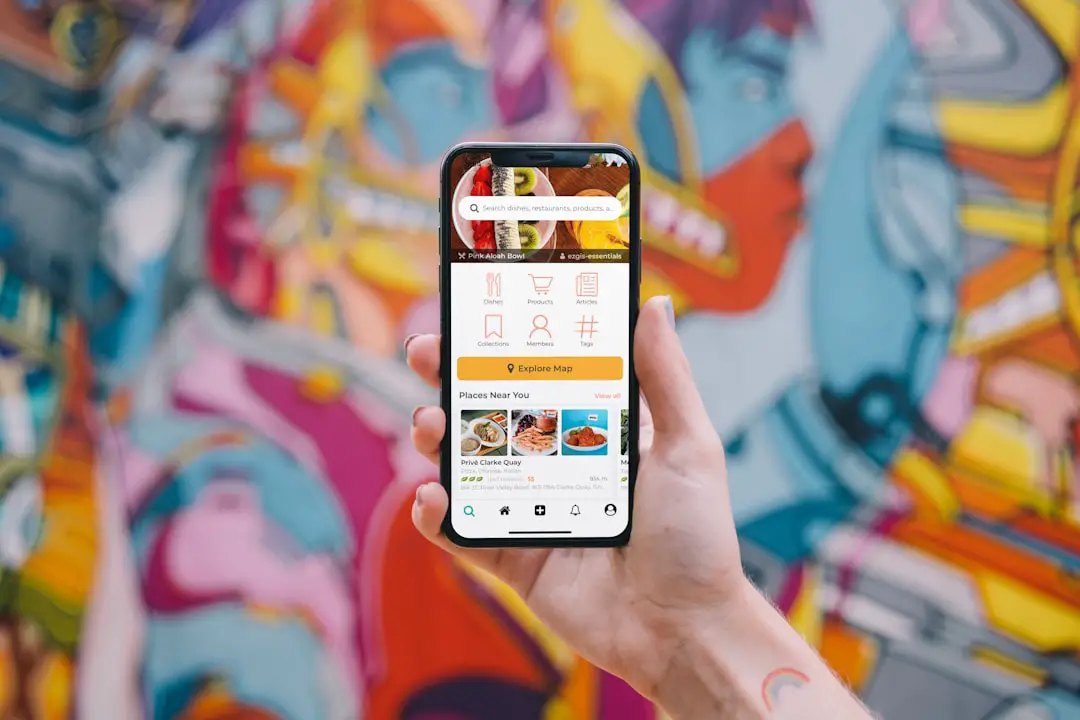
This campaign stands out because it connects marketing with a real customer need. The brand increases app engagement and basket size, while customers gain practical value. The strongest loyalty campaigns now ask, “What problem can the brand help solve every week?”
Common Traits of Standout 2026 Campaigns
Although these campaigns use different channels, they share several important traits. Each one is interactive, easy to share, and connected to measurable behavior. They also offer value before asking for loyalty.
- Personalization: Campaigns adapt to individual needs, locations, or preferences.
- Participation: Audiences vote, scan, create, remix, or complete challenges.
- Transparency: Brands use data to build trust rather than hide complexity.
- Community: Campaigns give people a reason to involve friends or followers.
- Utility: The best ideas solve a small but meaningful problem.
FAQ
What makes a 2026 marketing campaign innovative?
An innovative 2026 campaign uses technology, data, and storytelling to create an experience that feels useful or participatory. It does not rely only on visibility; it encourages measurable engagement.
Are AI-driven campaigns effective for smaller brands?
Yes. Smaller brands can use AI for product recommendations, email segmentation, customer service, content testing, and local personalization without building expensive custom systems.
Which channels matter most in 2026?
The strongest campaigns usually combine short-form video, mobile experiences, creator partnerships, email, SMS, and physical touchpoints. The right mix depends on the audience and product category.
How can brands measure campaign success?
Useful metrics include conversion rate, repeat engagement, user-generated content volume, retention, average order value, sentiment, and customer lifetime value. Campaigns should be measured beyond impressions alone.
What is the biggest marketing lesson from these examples?
The biggest lesson is that audiences respond to campaigns that offer participation and practical value. In 2026, the most memorable brands are not just seen; they are experienced.