

Artificial intelligence models are not static assets. Once deployed, they operate in dynamic environments where data evolves, user behavior shifts, and external conditions change. Without vigilant oversight, even the most accurate machine learning models degrade over time. Model monitoring and drift detection software tools have become essential safeguards, helping organizations maintain performance, reliability, and regulatory compliance in production AI systems.
TLDR: AI models degrade over time due to data drift, concept drift, and changing real-world conditions. Specialized model monitoring and drift detection tools provide continuous performance tracking, alerting, and explainability. Leading platforms such as Arize AI, Fiddler, WhyLabs, Evidently AI, DataRobot MLOps, and Amazon SageMaker Model Monitor help organizations protect model accuracy and reduce risk. Choosing the right solution depends on deployment complexity, regulatory needs, and internal AI maturity.
Model drift typically appears in three forms:
- Data drift – when input data distributions change from training data.
- Concept drift – when relationships between inputs and predictions change.
- Prediction drift – when output distributions shift unexpectedly.
Unchecked drift can result in revenue loss, biased decisions, compliance violations, and reputational damage. Below are six trusted model monitoring and drift detection tools designed to protect AI model accuracy in production environments.
1. Arize AI
Arize AI is a purpose-built machine learning observability platform that provides deep visibility into model performance and drift. It is especially valued in enterprise settings where complex pipelines require cross-team collaboration.
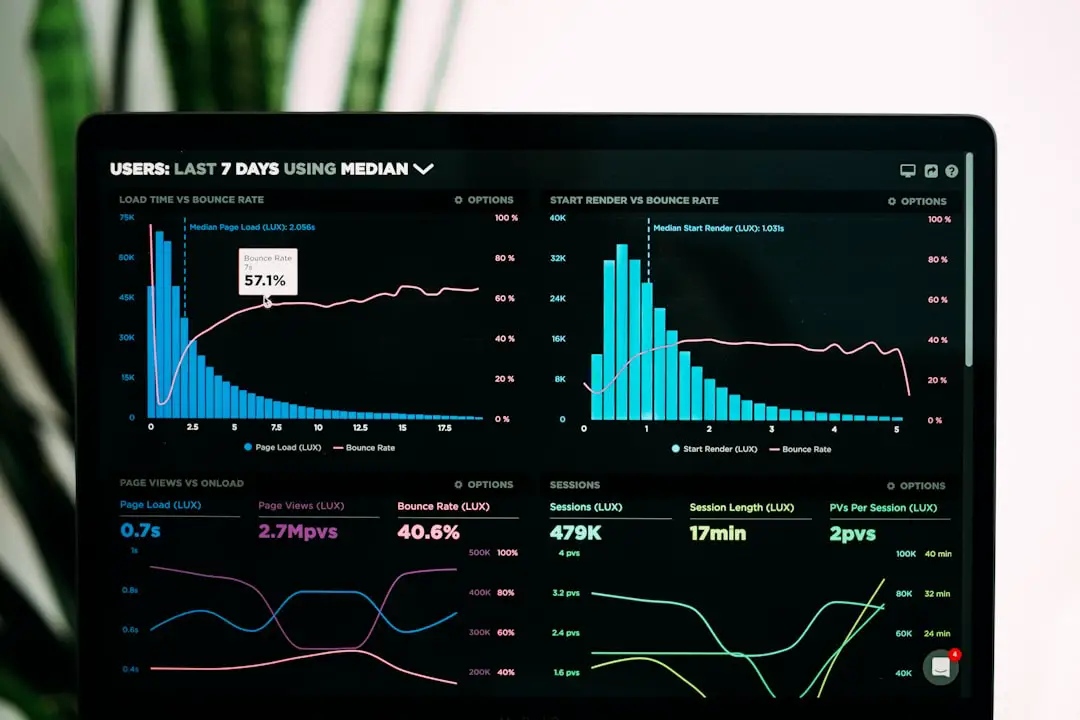
Key capabilities include:
- Real-time data and concept drift monitoring
- Performance tracking across model versions
- Embedding visualization for NLP and LLM models
- Root cause analysis tools
Arize stands out because of its strong diagnostics framework. Instead of merely flagging anomalies, it helps teams understand why performance drops. For large organizations deploying multiple models across business units, this depth is critical.
Best suited for: Medium to large enterprises with production-scale AI deployments.
2. Fiddler AI
Fiddler AI combines model monitoring with explainable AI capabilities. It emphasizes transparency, making it particularly attractive in regulated industries such as finance, healthcare, and insurance.
Core features:
- Monitoring for data drift and prediction drift
- Bias detection and fairness analysis
- Real-time model explainability
- Role-based governance controls
Fiddler integrates seamlessly with existing ML pipelines and supports both batch and streaming predictions. What makes it trustworthy is its structured governance framework, allowing audit trails and compliance documentation to be generated directly from monitoring logs.
Best suited for: Organizations requiring auditability and compliance-ready AI oversight.
3. WhyLabs
WhyLabs focuses on continuous data logging and profiling to prevent silent failures. It excels in detecting subtle drift patterns early, before they significantly impact downstream performance.

Notable strengths:
- Automated data profiling at scale
- Statistical change detection algorithms
- Open-source integrations (e.g., whylogs)
- Cost-efficient monitoring pipelines
WhyLabs emphasizes proactive prevention. By establishing baseline statistical fingerprints of datasets, it alerts teams as soon as deviations cross predefined thresholds. This is particularly effective for high-volume applications such as fraud detection or recommendation systems.
Best suited for: Data-centric teams prioritizing early anomaly detection.
4. Evidently AI
Evidently AI is widely known for its open-source roots and strong reporting capabilities. It provides comprehensive evaluation dashboards that make drift analysis understandable to both technical and non-technical stakeholders.
Main benefits:
- Built-in tests for data and concept drift
- Interactive visual reports
- Customizable monitoring metrics
- Seamless Python integration
Evidently is particularly appealing for teams that prefer open ecosystems and extensibility. It allows engineers to embed monitoring directly into CI/CD pipelines and generate shareable performance reports for leadership review.
Best suited for: Teams seeking flexible, developer-friendly drift detection.
5. DataRobot MLOps
DataRobot MLOps offers an end-to-end production AI lifecycle solution. Beyond drift detection, it provides deployment management, retraining workflows, and compliance automation.
Distinguishing features:
- Automated performance monitoring
- Accuracy tracking with alert thresholds
- Automated retraining triggers
- Centralized governance dashboards
One of its strongest advantages is automation. When defined performance metrics drop below acceptable levels, retraining pipelines can be initiated automatically. This reduces downtime and maintains service reliability.
Best suited for: Enterprises seeking a comprehensive MLOps platform rather than a monitoring-only tool.
6. Amazon SageMaker Model Monitor
Amazon SageMaker Model Monitor is part of the AWS SageMaker ecosystem. It provides continuous monitoring within cloud-native deployments, making it convenient for organizations already operating in AWS.

Key highlights:
- Automatic baseline creation from training data
- Data drift detection on live endpoints
- Integration with AWS CloudWatch alerts
- Scalability for high-throughput environments
Its primary advantage is seamless integration. Organizations embedded in AWS can leverage existing infrastructure, logging systems, and security policies without adding fragmented tooling.
Best suited for: Cloud-native teams operating primarily within AWS.
Comparison Chart
| Tool | Drift Detection | Explainability | Automation | Best For |
|---|---|---|---|---|
| Arize AI | Advanced data and concept drift | Strong diagnostic tools | Moderate | Enterprise AI observability |
| Fiddler AI | Data and prediction drift | Comprehensive | Moderate | Regulated industries |
| WhyLabs | Statistical anomaly detection | Limited | High | Data quality monitoring |
| Evidently AI | Customizable drift tests | Good visualization | Developer-controlled | Open-source flexibility |
| DataRobot MLOps | Integrated performance monitoring | Built-in | High | End-to-end lifecycle management |
| SageMaker Model Monitor | Automated baseline comparison | Limited native explainability | High within AWS | Cloud-native AWS deployments |
How to Choose the Right Model Monitoring Tool
Selecting the appropriate platform requires careful consideration of:
- Deployment environment – On-premise, hybrid, or cloud-native?
- Regulatory exposure – How important are audit trails and fairness metrics?
- Model complexity – Are you monitoring structured data models or large language models?
- Team structure – Do you need business-user dashboards or engineering-focused interfaces?
- Automation needs – Will retraining be manual or pipeline-triggered?
Organizations early in their AI maturity may prioritize ease of implementation and cost efficiency. More advanced enterprises should look for deep observability, explainability, and governance functionality.
The Strategic Importance of Continuous Monitoring
AI governance is increasingly under scrutiny. Regulatory bodies worldwide are developing formal AI compliance standards. Continuous monitoring and drift detection are becoming not merely operational best practices but legal necessities.
Moreover, machine learning models now drive high-impact decisions—from underwriting loans to diagnosing medical conditions. Accuracy degradation is not simply a technical issue; it is a strategic risk.
Monitoring tools convert reactive troubleshooting into proactive risk management.
By implementing one of the software solutions outlined above, organizations establish:
- Greater trust in automated decisions
- Faster incident response times
- Improved collaboration between data science and operations teams
- Sustained model accuracy over time
Conclusion
AI models do not fail overnight; they deteriorate gradually as the world around them changes. Model monitoring and drift detection software tools serve as the early warning systems that prevent silent decline. Whether through enterprise-grade observability platforms like Arize AI, compliance-centered tools like Fiddler, data-centric solutions like WhyLabs, open frameworks like Evidently, comprehensive systems like DataRobot MLOps, or cloud-native integrations like SageMaker Model Monitor, organizations have robust options to maintain reliability.
In serious AI deployments, monitoring is not optional. It is the mechanism that sustains confidence, performance, and accountability in intelligent systems operating at scale.