

Search engine optimization is more competitive than ever, and while Semrush has long been considered an industry standard, it is far from the only powerful solution available. Many SEO professionals, agencies, and businesses are now turning to alternative platforms that offer specialized features, more flexible pricing, or deeper competitor insights. Choosing the right tool depends on specific goals, whether that means advanced backlink tracking, content optimization, or technical SEO auditing.
TLDR: While Semrush is a popular SEO platform, several tools offer better features depending on your needs. Ahrefs, SE Ranking, and Serpstat excel in backlink and competitor analysis, while Moz Pro, SpyFu, and Similarweb stand out for keyword research and traffic insights. Each tool provides unique advantages in pricing, usability, or specialized data. Organizations should evaluate their priorities before selecting the best alternative.
Below is a detailed look at six tools that many professionals consider better than Semrush for SEO and competitor research.
1. Ahrefs
Ahrefs is often viewed as Semrush’s closest rival—and in many areas, it surpasses it. Particularly known for its exceptional backlink index, Ahrefs offers one of the largest and most frequently updated link databases in the industry.

Why it stands out:
- Industry-leading backlink analysis with detailed referring domain data
- Accurate keyword difficulty scores
- Comprehensive content gap analysis
- User-friendly interface with clean reporting
Ahrefs also excels in identifying competitor link-building strategies. Users can quickly see which domains link to competitors but not to their own websites, creating actionable outreach opportunities.
While it may be priced similarly to Semrush, many SEO specialists believe Ahrefs delivers more reliable link data, making it ideal for aggressive growth strategies.
2. SE Ranking
SE Ranking has grown rapidly in popularity due to its balance of affordability and robust functionality. Agencies especially appreciate its customizable pricing plans and white-label reporting features.
Key advantages:
- Flexible subscription pricing
- Strong rank tracking with local SEO support
- Comprehensive website audits
- Marketing plan and task management tools
Unlike some heavier platforms, SE Ranking maintains a streamlined interface without sacrificing essential features. Its competitor tracking system allows businesses to monitor ranking changes side by side.
For small to mid-sized businesses looking for a cost-effective yet powerful Semrush alternative, SE Ranking often proves to be a better value.
3. Serpstat
Serpstat began as a keyword research tool but has evolved into a full-scale SEO suite. Many marketers favor it for its intuitive competitor comparison features and affordable pricing tiers.
Notable features:
- Batch keyword analysis
- Tree view site structure audit
- Competitor PPC insights
- Historical keyword data tracking
One particularly useful feature is Serpstat’s domain comparison tool, which allows users to compare multiple competitors simultaneously. This visual data presentation makes it easier to identify keyword overlaps and content gaps.
For marketers focused heavily on keyword clustering and competitive mapping, Serpstat offers functionality that some find more straightforward than Semrush.
4. Moz Pro
Moz Pro has been a respected name in SEO for years. Though sometimes considered a “legacy” platform, it continues to innovate, particularly in site health monitoring and keyword tracking.

Where Moz Pro excels:
- Domain Authority metric for competitive benchmarking
- Reliable on-page optimization recommendations
- Easy-to-understand reporting tools
- Strong community resources and educational materials
Moz’s Domain Authority (DA) remains one of the most widely referenced authority metrics in SEO. Businesses often use DA comparisons as a high-level gauge of competitiveness within a niche.
For teams that value simplicity, reliability, and educational support, Moz Pro may feel more approachable than Semrush’s more complex dashboard.
5. SpyFu
SpyFu specializes in competitor intelligence, particularly for paid search campaigns. While Semrush provides PPC data, SpyFu drills deeper into historical ad performance and strategy.
Benefits include:
- Extensive Google Ads history tracking
- Competitor keyword targeting insights
- Estimated PPC budgets and ad copy variations
- Affordable pricing compared to larger suites
SpyFu allows users to view years of competitors’ ad campaigns, revealing patterns and testing strategies. This historical visibility can help marketers make smarter bidding decisions and identify overlooked opportunities.
Businesses heavily invested in Google Ads often find SpyFu to be a sharper tool for PPC competitor analysis than Semrush.
6. Similarweb
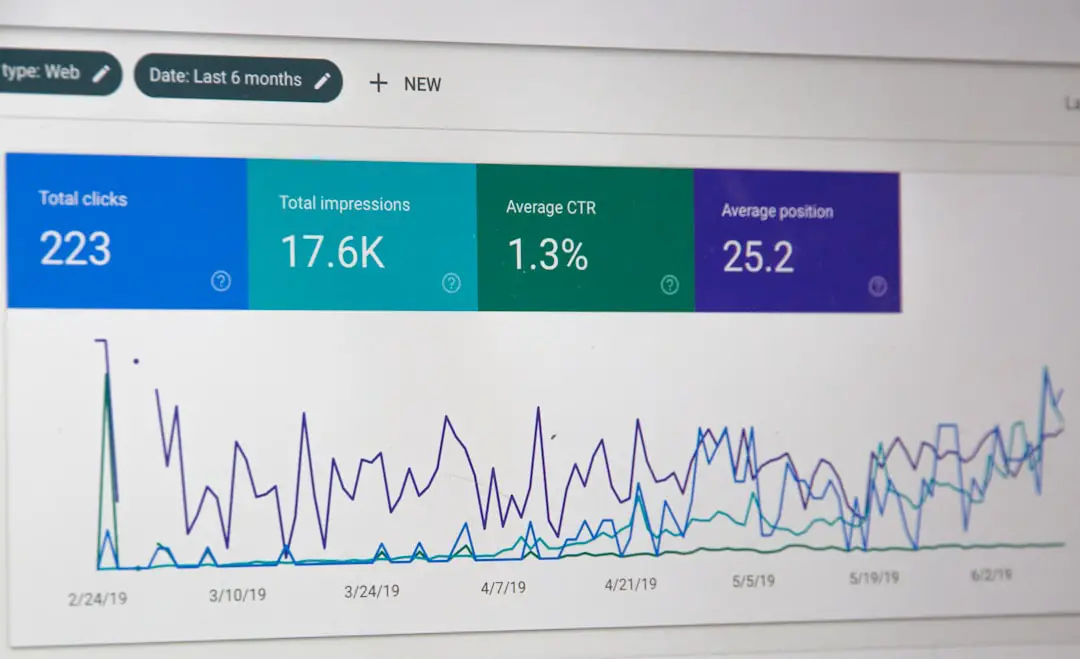
Similarweb operates slightly differently from traditional SEO tools. Rather than focusing purely on keywords and backlinks, it emphasizes traffic intelligence and market research.
Core strengths:
- Traffic source breakdown (direct, organic, paid, social)
- Audience interest insights
- Market share analytics
- Industry benchmarking
Similarweb estimates total website traffic and reveals where visitors originate. This macro-level perspective goes beyond keyword rankings and provides strategic competitive intelligence.
For enterprises focused on market positioning rather than just SEO metrics, Similarweb can deliver broader insights than Semrush.
Comparison Chart
| Tool | Best For | Pricing Flexibility | Backlink Analysis | PPC Insights | Traffic Intelligence |
|---|---|---|---|---|---|
| Ahrefs | Backlink research | Moderate | Excellent | Strong | Moderate |
| SE Ranking | Agencies & local SEO | High | Strong | Moderate | Basic |
| Serpstat | Keyword clustering | High | Strong | Strong | Basic |
| Moz Pro | Site optimization | Moderate | Moderate | Basic | Basic |
| SpyFu | PPC competitor research | High | Basic | Excellent | Basic |
| Similarweb | Market intelligence | Enterprise | Limited | Strong | Excellent |
How to Choose the Right Alternative
Selecting an SEO tool should depend on business strategy rather than popularity. Organizations should first identify whether they need:
- Stronger backlink data → Ahrefs
- Budget-friendly agency tools → SE Ranking
- Keyword clustering and content planning → Serpstat
- Simple optimization workflows → Moz Pro
- Deep PPC competitor history → SpyFu
- Market-level traffic intelligence → Similarweb
Each tool excels in specific areas. In many cases, businesses even combine multiple platforms to build a complete research ecosystem.
Conclusion
Although Semrush remains a powerful all-in-one SEO platform, it is no longer the default choice for every business. Ahrefs dominates in backlink intelligence, SpyFu shines in PPC research, and Similarweb provides unmatched traffic insights. Meanwhile, SE Ranking, Serpstat, and Moz Pro offer varying balances of affordability, specialization, and ease of use.
The best alternative ultimately depends on the user’s goals, budget, and workflow preferences. By evaluating specific strengths rather than relying on brand reputation alone, businesses can select a solution that delivers superior SEO and competitor research performance.
FAQ
1. Is Ahrefs better than Semrush?
Many SEO professionals believe Ahrefs provides more accurate and extensive backlink data. However, Semrush may offer broader marketing features. The better tool depends on individual priorities.
2. What is the most affordable Semrush alternative?
SE Ranking and Serpstat are often considered more budget-friendly while still offering comprehensive SEO capabilities.
3. Which tool is best for PPC competitor analysis?
SpyFu is widely recognized for its deep historical Google Ads data and competitor ad tracking features.
4. Can Similarweb replace traditional SEO tools?
Similarweb complements rather than replaces traditional SEO platforms. It focuses more on traffic and market intelligence than granular keyword tracking.
5. Do professionals use multiple SEO tools?
Yes. Many agencies and enterprises combine multiple platforms to gain broader and more accurate insights.
6. Are these tools suitable for beginners?
Moz Pro and SE Ranking are often considered beginner-friendly due to their intuitive dashboards and educational resources.