

In today’s highly competitive digital economy, B2B companies rely on far more than traditional sales tactics to grow revenue and maintain strong client relationships. Modern organizations require powerful software ecosystems that streamline operations, improve visibility into performance, and foster seamless collaboration across teams. From automating repetitive tasks to generating real-time analytics, B2B SaaS solutions have become critical drivers of efficiency and profitability.
TLDR: B2B SaaS tools help companies increase sales, automate workflows, and improve team collaboration. The most impactful platforms combine CRM, marketing automation, workflow management, communication, analytics, e-signature, and customer support systems. Businesses that strategically integrate these seven solution categories gain faster sales cycles, better visibility into performance, and more productive teams. Choosing the right mix depends on company size, budget, and operational complexity.
Below are seven powerful categories of B2B SaaS solutions that consistently deliver measurable results for organizations looking to scale intelligently.
1. Customer Relationship Management (CRM) Software
A CRM platform serves as the foundation of nearly every high-performing B2B sales operation. It centralizes customer data, tracks interactions, monitors deal stages, and provides forecasting insights that enhance decision-making.
Leading CRMs such as Salesforce, HubSpot CRM, and Zoho CRM allow teams to:
- Track leads and opportunities in real time
- Automate follow-up reminders
- Segment prospects for targeted outreach
- Forecast revenue based on deal probability
- Generate detailed performance reports
By eliminating spreadsheets and manual data entry processes, CRMs significantly reduce errors and boost productivity. Sales teams can focus on relationship-building instead of administrative work.

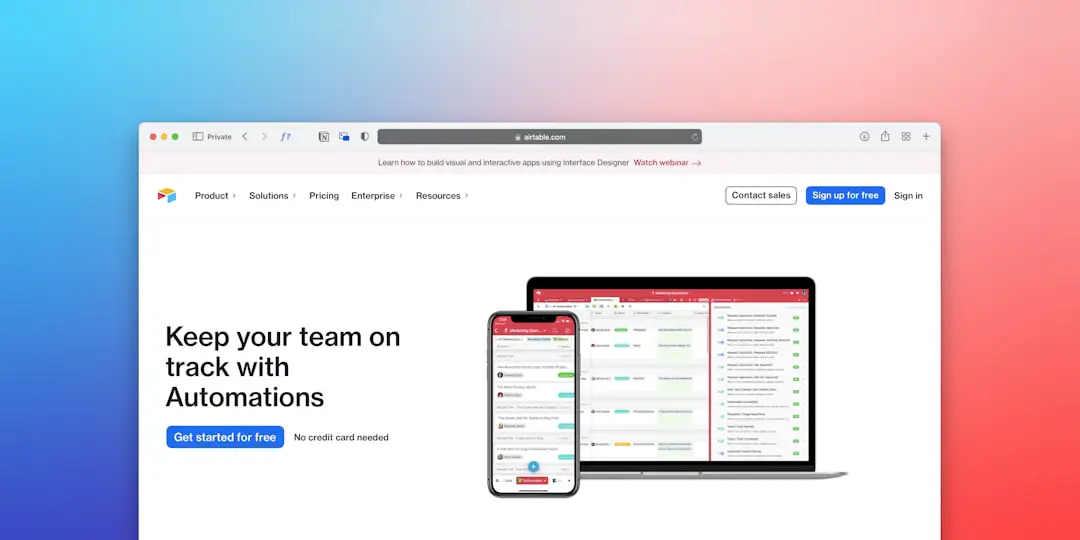
Impact on Sales: Better visibility into pipeline health leads to shorter sales cycles and improved close rates.
2. Marketing Automation Platforms
Marketing automation tools like Marketo, HubSpot Marketing Hub, and Pardot enable businesses to nurture leads at scale without overwhelming marketing teams.
These platforms automate:
- Email campaigns and sequences
- Lead scoring
- Customer segmentation
- Landing page management
- Behavior tracking
When marketing and sales systems integrate, organizations can align their outreach strategies effectively. Qualified leads are passed to sales teams at precisely the right time, increasing conversion rates.
Automation eliminates repetitive tasks while ensuring consistent messaging across the customer journey.
3. Sales Engagement Platforms
Sales engagement tools such as Outreach and Salesloft optimize prospect communication by automating email sequences, call scheduling, and follow-up cadences.
These platforms provide:
- Sequenced multi-channel outreach
- Performance tracking of reps
- A/B testing capabilities
- Real-time engagement alerts
Instead of guessing which approach works best, sales leaders gain data-driven insights to refine messaging and timing strategies.
Result: Higher response rates, better time management, and increased rep productivity.
4. Workflow and Process Automation Tools
Workflow automation solutions like Zapier, Monday.com, and Asana reduce manual tasks and prevent process bottlenecks across departments.

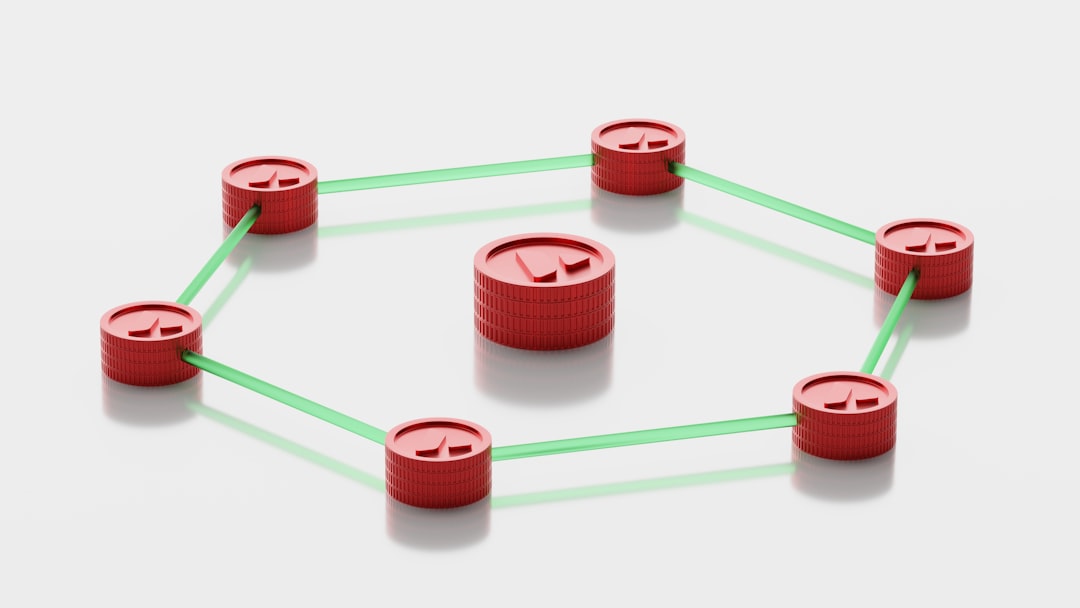
These tools allow businesses to:
- Create automated triggers between applications
- Assign tasks automatically based on status changes
- Track project timelines
- Ensure accountability across teams
For example, when a sales deal closes in the CRM, an automation can instantly notify finance, generate an invoice, and assign onboarding tasks. This level of interconnected efficiency dramatically reduces human error.
Operational automation directly increases profitability by saving time and lowering overhead costs.
5. Collaboration and Communication Platforms
Effective collaboration remains crucial in hybrid and remote work environments. SaaS platforms such as Slack, Microsoft Teams, and Zoom streamline team communication while reducing email overload.
Core benefits include:
- Instant messaging channels
- Video conferencing
- Document sharing
- Integration with CRM and project tools
Centralized communication improves alignment between sales, marketing, operations, and leadership teams.
Collaboration tools break down departmental silos, making it easier to deliver consistent customer experiences.
6. Business Intelligence and Analytics Tools
Data-driven organizations consistently outperform competitors. Business intelligence platforms like Tableau, Power BI, and Looker transform raw data into actionable insights.
These tools provide:
- Interactive dashboards
- Real-time KPI tracking
- Customizable reports
- Predictive analytics capabilities


Instead of manually compiling reports, executives gain instant access to performance metrics spanning marketing ROI, sales velocity, and customer retention.
Better data visibility leads to better strategic decisions.
7. E-Signature and Contract Management Software
Closing B2B deals often involves lengthy contract negotiations and document reviews. E-signature platforms such as DocuSign and PandaDoc accelerate this process dramatically.
Features include:
- Legally binding digital signatures
- Automated contract generation
- Document tracking and status alerts
- Secure cloud storage
By removing physical paperwork and reducing back-and-forth emails, companies can cut days or weeks from the closing process.
Faster contract execution means faster revenue realization.
Comparison Chart of the 7 B2B SaaS Categories
| Solution Category | Primary Purpose | Key Benefit | Popular Examples |
|---|---|---|---|
| CRM Software | Manage customer data and sales pipelines | Improved visibility and forecasting | Salesforce, HubSpot CRM, Zoho CRM |
| Marketing Automation | Automate lead nurturing and campaigns | Higher conversion rates | Marketo, Pardot, HubSpot |
| Sales Engagement | Streamline outreach processes | Increased rep productivity | Outreach, Salesloft |
| Workflow Automation | Automate cross-platform tasks | Reduced operational bottlenecks | Zapier, Asana, Monday.com |
| Collaboration Tools | Facilitate team communication | Stronger team alignment | Slack, Microsoft Teams, Zoom |
| Business Intelligence | Analyze performance data | Data-driven decision-making | Tableau, Power BI, Looker |
| E-Signature Software | Digitize contracts | Faster deal closure | DocuSign, PandaDoc |
How These Solutions Work Together
Individually, each SaaS solution improves a specific function. However, the true competitive advantage emerges when these platforms integrate seamlessly.
A typical workflow might look like this:
- A prospect downloads gated content through a marketing automation platform.
- The CRM captures and scores the lead.
- A sales engagement tool automatically triggers an outreach sequence.
- Workflow automation assigns tasks to the sales rep.
- Collaboration software alerts the broader team.
- Business intelligence dashboards update performance metrics in real time.
- An e-signature platform finalizes the contract.
This end-to-end automation reduces manual intervention while improving accountability across departments.
Key Considerations When Choosing B2B SaaS Tools
Not every platform fits every organization. Companies should consider:
- Scalability: Can the platform grow with business demand?
- Integration capabilities: Does it connect easily with existing tools?
- User adoption: Is the interface intuitive?
- Security and compliance: Does it meet data protection standards?
- Total cost of ownership: Are there hidden implementation expenses?
Strategic alignment between technology and business goals ensures long-term ROI.
FAQ
1. What is B2B SaaS?
B2B SaaS refers to software delivered via the cloud to businesses rather than individual consumers. These platforms help companies manage operations, sales, marketing, analytics, and collaboration.
2. How do SaaS solutions increase sales?
They improve lead tracking, automate follow-ups, enhance customer insights, and shorten sales cycles through better visibility and streamlined communication.
3. Are SaaS tools expensive to implement?
Costs vary depending on vendor and feature complexity, but subscription models often reduce upfront investment compared to on-premise software.
4. Can small businesses benefit from these solutions?
Yes. Many SaaS providers offer scalable pricing tiers designed specifically for startups and small-to-medium businesses.
5. How important are integrations between tools?
Integrations are critical. Seamless data sharing between systems maximizes efficiency and prevents duplication of work.
6. Is data secure in cloud-based SaaS platforms?
Most reputable providers employ advanced encryption, compliance certifications, and strict access controls. Companies should still verify compliance with industry standards.
7. What is the first SaaS tool a growing B2B company should invest in?
Typically, a CRM system provides the greatest foundational value by organizing customer data and establishing a scalable sales management framework.
In an increasingly digitized marketplace, B2B SaaS solutions are no longer optional; they are strategic necessities. Organizations that thoughtfully combine CRM systems, automation tools, analytics platforms, and collaboration software position themselves for sustainable growth. By leveraging the right technology stack, companies can increase revenue, eliminate inefficiencies, and create cross-functional alignment that drives long-term competitive advantage.