

The best Rebellion Defense alternatives are Anduril, Palantir, Shield AI, Scale AI, Primer, Govini, Helsing, and C3 AI Defense, depending on whether the mission calls for autonomous systems, data fusion, intelligence analysis, or force readiness. Defense buyers are spending heavily on software that turns messy sensor, logistics, and intelligence data into usable decisions. The U.S. Department of Defense requested $145 billion for research, development, test, and evaluation in FY2024 [source: U.S. Department of Defense], which shows why this market is no longer a side category.
TLDR: Rebellion Defense is known for mission software, but buyers should compare it with firms that cover adjacent needs. Anduril is strong when software must connect to sensors, towers, drones, and command systems. Palantir is better when the hard problem is data integration across agencies or units; for example, a joint task force trying to combine 12 separate data feeds could use it to cut manual reporting time by 30% or more. If the mission needs AI pilots, intelligence summarization, or defense supply chain insight, Shield AI, Primer, Scale AI, Govini, Helsing, or C3 AI may fit better.
Image not found in postmeta1. Anduril Industries
Best for: autonomous systems, border security, air defense, base protection, and sensor fusion.
Anduril is the most hardware-heavy company on this list. Its Lattice platform connects sensors, autonomous vehicles, towers, and operators into one control layer [source: Anduril]. That matters when awareness depends on more than a dashboard. It may depend on radar, cameras, drones, and response systems working together.
The catch is that Anduril is not just “software you install.” It often comes with a broader system design. That can be great for field use, but less simple for teams that only need analytics or workflow tools.
2. Palantir
Best for: data integration, intelligence work, logistics, targeting support, and decision systems.
Palantir Gotham and related defense products focus on joining hard-to-use data. Think old databases, classified feeds, spreadsheets, sensor reports, and planning tools. Palantir is often strongest where units already have data but cannot use it fast enough.
Its weakness is also its strength. Serious setup work is needed. Expect to waste time on data permissions, model rules, and access controls before users see clean results. Still, for large organizations with many data sources, Palantir is one of the most mature choices.
3. Shield AI
Best for: autonomous aircraft, AI pilots, contested environments, and GPS-denied missions.
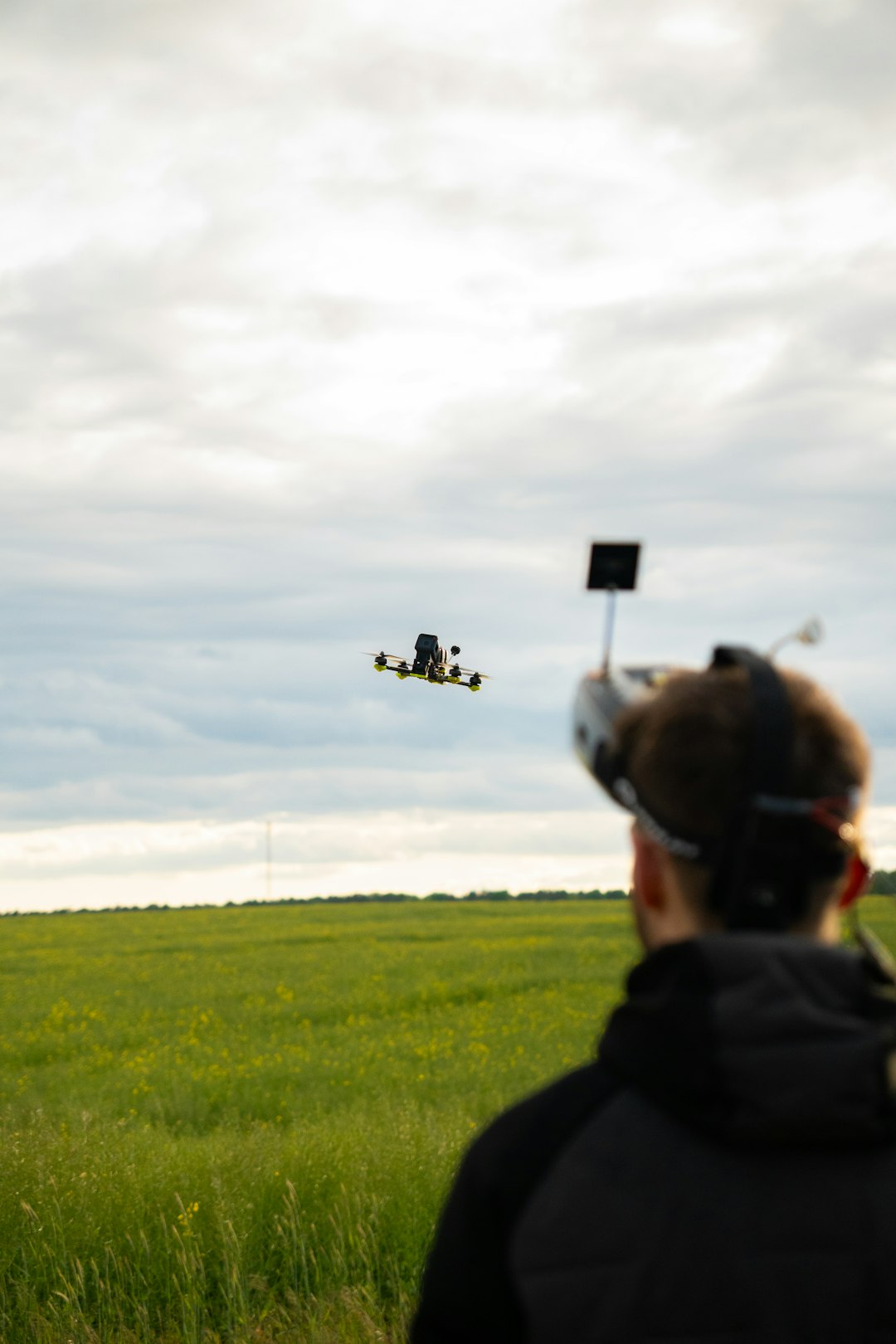
Shield AI is different from Rebellion Defense because it centers on autonomy. Its core value is not just awareness. It is action by unmanned systems when communications are poor or denied. That makes it relevant for reconnaissance, air operations, and missions where human control may be limited.
Defense teams should consider Shield AI when the question is: Can a system operate without constant input? If the goal is enterprise planning or intelligence dashboards, other vendors may be more suitable.

4. Scale AI
Best for: AI training data, model testing, computer vision, and defense AI pipelines.
Scale AI supports defense organizations that need clean, labeled, and tested data for machine learning. That includes imagery, full-motion video, sensor data, and language data. It is not usually the face of the mission system, but it can be critical behind the scenes.
Honestly, it feels like many AI programs fail here first. The model sounds impressive, then the data is incomplete, mislabeled, or not ready for deployment. Scale AI is useful when the agency wants fewer demos and more working AI.
5. Primer
Best for: intelligence analysis, text processing, translation, document triage, and open-source intelligence.
Primer focuses on turning large volumes of text into usable insight. Its tools can summarize reports, detect topics, translate content, and help analysts process information faster. This is valuable for intelligence teams facing too much material and too few people.
Primer is not a full battlefield control system. It is better seen as an analyst support layer. It helps people spot what matters sooner.
6. Govini
Best for: defense acquisition, supply chain risk, readiness planning, and industrial base analysis.
Govini is less about tactical awareness and more about strategic awareness. Its Ark platform helps defense users understand vendors, supply chains, programs, spending, and vulnerabilities. This is useful when a command or agency needs to know whether it can build, buy, or sustain a capability.
This is not the flashiest category. But it matters. A mission system is only useful if parts, suppliers, contracts, and maintenance can keep up.
7. Helsing
Best for: European defense AI, sensor fusion, electronic warfare support, and battlefield awareness.
Helsing has become one of Europe’s most watched defense AI firms. It works on software for military sensing, decision support, and modern combat systems. For European governments and allied defense programs, Helsing may offer a closer fit than U.S.-centered vendors.
The main question is market access. Buyers outside Europe may find fewer public details, fewer standard buying routes, or more limits based on national security rules.
8. C3 AI Defense
Best for: predictive maintenance, readiness, logistics, and enterprise AI.
C3 AI is a broader enterprise AI company with defense and federal work. Its defense value often appears in maintenance, readiness, and operational planning. If aircraft, vehicles, or infrastructure need better prediction and fewer failures, C3 AI deserves a serious review.
It may not feel as mission-native as Anduril or Palantir. Still, for large-scale readiness and asset management, it can be a practical option.

How to choose
- Pick Anduril if sensors, autonomous systems, and field operations must work as one system.
- Pick Palantir if the main pain is scattered data across units, agencies, or networks.
- Pick Shield AI if autonomy in contested areas is the core need.
- Pick Scale AI if AI models need better training data and testing.
- Pick Primer if analysts are overloaded with reports, text, and open-source information.
- Pick Govini if acquisition, supply chain, and industrial base risk matter most.
- Pick Helsing for European defense AI and sensor fusion programs.
- Pick C3 AI for readiness, predictive maintenance, and enterprise-scale AI.
Bottom line: Rebellion Defense fits the mission software category, but the best alternative depends on the job. Do not buy the broadest platform by default. Match the vendor to the mission problem: sensing, data fusion, autonomy, analytics, readiness, or acquisition risk.