

Inventory forecasting is no longer just a back-office task—it’s a strategic function that can make or break a business. With shifting customer demand, complex supply chains, and increasing competition, companies need accurate predictions to maintain optimal stock levels. Overstocking ties up capital and warehouse space, while stockouts lead to lost sales and dissatisfied customers. That’s where modern inventory forecasting tools come into play.
TLDR: Inventory forecasting tools use data, algorithms, and automation to help businesses predict demand and maintain optimal stock levels. From AI-powered platforms to ERP-integrated systems and cloud-based analytics tools, today’s solutions can dramatically improve accuracy and efficiency. Choosing the right tool depends on your business size, industry, data complexity, and growth goals. When used effectively, these tools reduce waste, improve cash flow, and boost customer satisfaction.
Below are seven powerful types of inventory forecasting tools that help businesses stay ahead of demand fluctuations and maintain efficient operations.
1. AI-Powered Demand Forecasting Platforms
Artificial intelligence has revolutionized inventory forecasting. AI-powered tools analyze historical sales data, customer behavior, seasonal trends, and even external factors like weather and market conditions to generate highly accurate predictions.
Unlike traditional spreadsheet methods, AI systems continuously learn from new data, improving forecast accuracy over time. This is especially valuable for:
- Retail businesses managing seasonal peaks
- Ecommerce stores dealing with fluctuating demand
- Manufacturers coordinating production cycles
These platforms often provide:
- Automated reorder point calculations
- Safety stock optimization
- Scenario simulation modeling
- Real-time demand adjustment

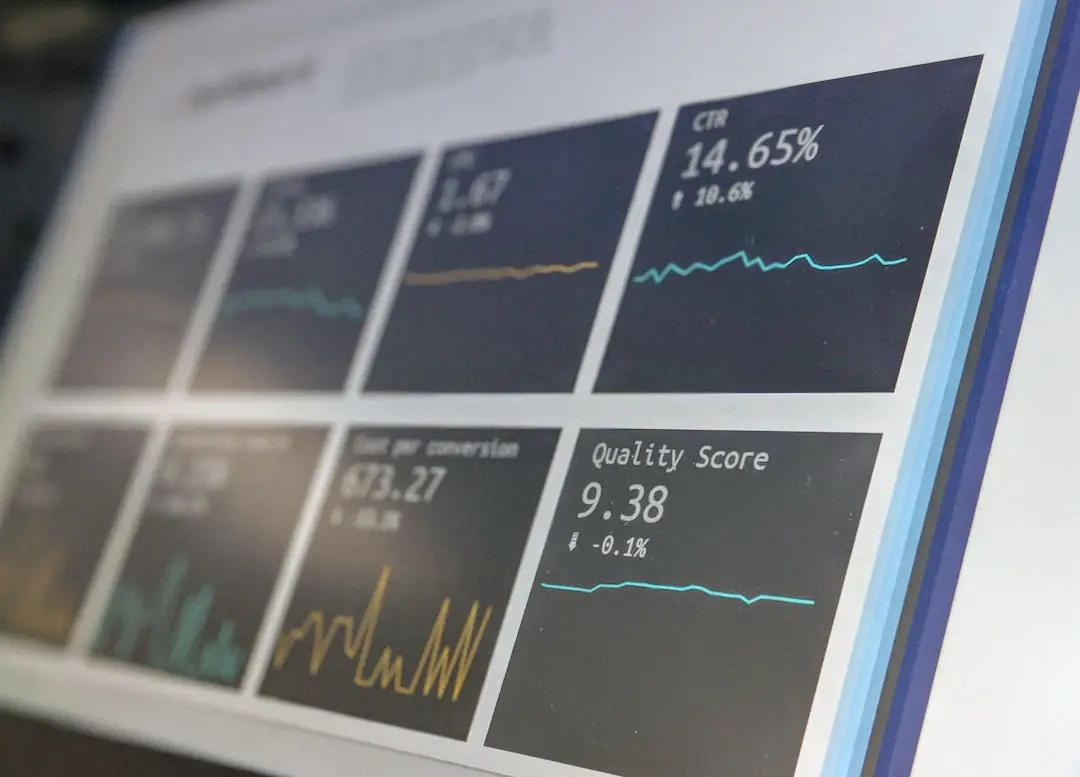
The biggest advantage? Reduced human error and improved agility in unpredictable markets.
2. Integrated ERP Forecasting Modules
Enterprise Resource Planning (ERP) systems often include built-in forecasting tools that connect inventory, sales, finance, procurement, and production data into one unified platform.
This integration allows businesses to:
- Align purchasing with sales forecasts
- Coordinate production schedules with demand predictions
- Ensure financial planning reflects stock requirements
ERP forecasting tools are ideal for mid-sized to large organizations that require deep operational visibility. Because all departments work from the same data source, companies can minimize communication gaps and make more informed stock decisions.
However, implementation can be complex and resource-intensive. Businesses should evaluate their operational scale before investing in a full ERP-driven forecasting system.
3. Cloud-Based Inventory Management Systems
Cloud-based inventory tools have become increasingly popular due to their accessibility and scalability. These platforms allow businesses to monitor inventory levels and demand forecasts from anywhere.
Key features often include:
- Real-time inventory updates
- Low-stock alerts
- Automated replenishment triggers
- Reporting and trend analysis dashboards
The main benefit of cloud systems is flexibility. As your business grows, you can upgrade functionality without overhauling infrastructure. For small to mid-sized businesses, this offers an affordable entry point into advanced inventory forecasting.
Additionally, cloud tools often integrate seamlessly with ecommerce platforms, shipping providers, and accounting software—making them especially useful for omnichannel retailers.
4. Statistical Forecasting Software
Statistical forecasting tools rely on mathematical models such as moving averages, exponential smoothing, and regression analysis to predict future demand based on historical data patterns.
These tools are ideal for businesses that:
- Have stable sales histories
- Need detailed quantitative analysis
- Require custom forecasting logic
Unlike AI systems, statistical software requires more manual configuration and a deeper understanding of data modeling. However, when set up correctly, it delivers precise and transparent forecasting calculations.
Businesses in industries with predictable demand cycles—such as packaged goods or industrial supplies—often benefit from this approach.


One major advantage is control. Companies can choose the exact model that aligns with their market behavior, rather than relying on automated learning algorithms.
5. Collaborative Planning Tools
In many industries, forecasting is not done in isolation. Suppliers, distributors, and retailers need to coordinate stock levels across the supply chain. Collaborative planning tools enable shared forecasting visibility among stakeholders.
These systems support:
- Vendor-managed inventory (VMI)
- Collaborative planning forecasting and replenishment (CPFR)
- Shared demand projections
- Supply risk forecasting
By synchronizing forecasting efforts, businesses can:
- Reduce the bullwhip effect
- Prevent supply shortages
- Lower excess stock costs
This type of tool is especially valuable in industries with complex distribution networks, such as automotive, electronics, or fast-moving consumer goods.
6. Point of Sale (POS) Data-Driven Forecasting
Modern POS systems do more than process transactions—they collect detailed real-time sales data. When combined with forecasting software, this information becomes a powerful demand prediction tool.
Benefits include:
- Immediate visibility into top-selling products
- Location-specific demand insights
- Automatic restocking suggestions
- Identification of slow-moving items
Retailers can use POS forecasting to adjust merchandising strategies and optimize shelf space. For example, if a certain SKU sees increased weekend sales, purchasing patterns can shift accordingly.


Because this system is based on live transactional data, businesses can react quickly to demand spikes—reducing both missed opportunities and excess inventory.
7. Predictive Analytics and Big Data Platforms
Big data forecasting tools take inventory optimization to another level. These platforms incorporate external datasets such as:
- Economic indicators
- Social media trends
- Market competition analysis
- Weather forecasts
By blending internal sales data with external signals, predictive analytics platforms provide a broader context for demand planning.
This approach is ideal for businesses in fast-changing markets, such as fashion, consumer electronics, or food delivery. If social media trends indicate rising interest in a product category, predictive systems can adjust forecasts before sales data alone would show the pattern.
Although these systems require strong data infrastructure, they enable proactive decision-making rather than purely reactive stock management.
How to Choose the Right Forecasting Tool
With so many options available, selecting the right forecasting tool requires careful evaluation. Consider the following factors:
- Business size: Small companies may benefit from cloud-based systems, while large enterprises might need ERP or AI-driven solutions.
- Data availability: The more historical and external data you have, the more advanced forecasting methods you can use.
- Industry volatility: Stable industries may rely on statistical forecasting, while volatile sectors benefit from AI or predictive analytics.
- Integration needs: Ensure the tool connects seamlessly with accounting, ecommerce, procurement, and warehouse systems.
- Scalability: Choose a tool that can grow alongside your business.
Ultimately, the best inventory forecasting tool aligns technology with operational strategy.
The Business Impact of Optimized Stock Levels
Implementing the right forecasting technology can lead to measurable improvements across the organization:
- Reduced carrying costs: Lower warehouse and storage expenses.
- Improved cash flow: Less capital tied up in excess stock.
- Higher customer satisfaction: Fewer stockouts and faster fulfillment.
- Better supplier relationships: More accurate and predictable order schedules.
- Stronger competitive positioning: Faster response to market demand.
Inventory forecasting is no longer about guesswork. It’s about intelligent decision-making powered by data, automation, and collaborative insight.
Final Thoughts
In today’s dynamic market landscape, inventory optimization requires more than spreadsheets and manual calculations. Whether through AI-driven platforms, collaborative supply chain tools, ERP integrations, or predictive analytics systems, modern forecasting technologies empower businesses to make informed, proactive decisions.
Success lies not only in choosing a sophisticated tool, but in aligning it with your business model, demand patterns, and growth strategy. Companies that embrace advanced forecasting gain a significant edge: they reduce waste, maximize profits, and consistently meet customer expectations.
As supply chains become increasingly complex and consumer behavior continues to evolve, investing in the right inventory forecasting tools isn’t just smart—it’s essential.