

CoverageBook is a popular choice for turning PR coverage into polished reports, especially when teams need to show links, screenshots, estimated views, and social shares in a client-friendly format. But PR reporting rarely lives in a vacuum. Many teams also need media monitoring, journalist databases, sentiment analysis, social listening, competitive benchmarking, or deeper analytics that go beyond clipbooks.
TL;DR: If CoverageBook is mainly your reporting layer, the best alternative depends on what else you need: monitoring, outreach, analytics, or enterprise intelligence. For example, a small agency producing 25 monthly client reports might save hours with automated dashboards from Prowly or Muck Rack, while a global brand tracking 10,000+ mentions across markets may need Meltwater, Cision, or Talkwalker. The strongest option is not always the biggest platform; it is the one that fits your workflow, budget, and reporting expectations.
What to Look for in a CoverageBook Alternative
Before comparing tools, it helps to define the job you need the software to do. Some platforms are built for beautiful PR reports, while others focus on real-time media monitoring, journalist outreach, or executive analytics.
- Monitoring depth: Does it track online news, print, broadcast, podcasts, newsletters, and social media?
- Reporting quality: Can it create clean, shareable reports quickly?
- Metrics: Does it include reach, engagement, sentiment, share of voice, domain authority, or traffic impact?
- Workflow: Can your team tag coverage, collaborate, approve reports, and export data?
- Outreach features: Do you also need media lists, journalist profiles, and pitching tools?
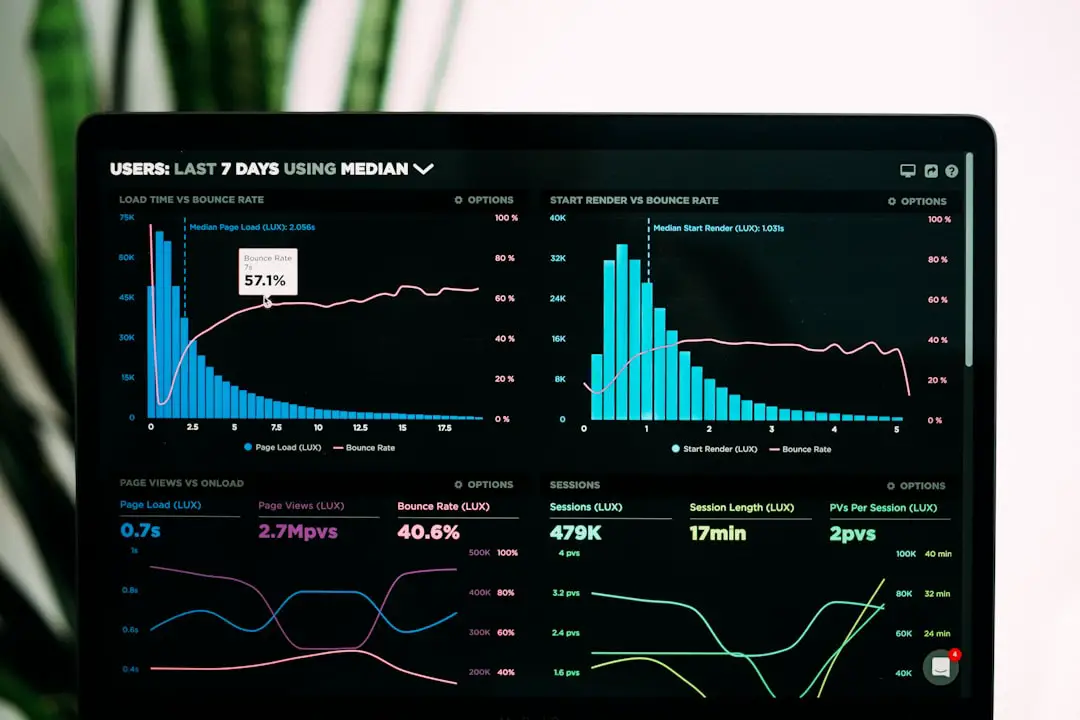
1. Prowly
Best for: PR teams that want media monitoring, journalist outreach, and reporting in one accessible platform.
Prowly is a strong CoverageBook alternative for agencies and in-house PR teams that want more than reporting. It combines a media database, press release creator, newsroom, email pitching, monitoring, and analytics. That makes it especially useful for teams that want to manage the full PR cycle without jumping between multiple tools.
Its reports are straightforward and client-friendly, while monitoring features help teams track brand mentions and campaign performance. Prowly is often easier to adopt than enterprise platforms, making it a good fit for growing teams that need structure without overwhelming complexity.
2. Muck Rack
Best for: PR professionals who care about journalist relationships and credible media tracking.
Muck Rack is widely known for its media database, but it also offers solid monitoring and reporting tools. One of its biggest strengths is the quality of journalist profiles. Users can see what reporters write about, where they publish, and how to contact them, which makes outreach more targeted.
For reporting, Muck Rack helps collect coverage, measure campaign performance, and prove PR value through dashboards and exports. If your team wants to connect who you pitched with what coverage you earned, Muck Rack can be a more complete solution than a reporting-only platform.
3. Meltwater
Best for: larger organizations needing global media intelligence and social listening.
Meltwater is a powerful platform for media monitoring, social listening, PR analytics, and competitive intelligence. It tracks a wide range of sources, including online news, broadcast, print, social platforms, and forums, depending on the package and region.
Compared with CoverageBook, Meltwater is more advanced and more enterprise-oriented. It is particularly useful for brands that need to monitor high volumes of coverage, analyze sentiment, track competitors, and report to leadership. The tradeoff is that it can be more expensive and may require more onboarding.
4. CisionOne
Best for: enterprise PR teams that need media monitoring, distribution, databases, and measurement.
CisionOne is one of the most established names in PR software. It offers media monitoring, journalist databases, press release distribution, social listening, and analytics. For companies that want a broad communications platform, it can replace several separate tools.
Its reporting capabilities are strong, especially for teams that need executive-ready dashboards and comprehensive measurement. CisionOne is a good fit for complex communications teams working across countries, brands, or departments. However, smaller teams may find it more platform than they need.

5. Agility PR Solutions
Best for: teams looking for a balanced mix of monitoring, outreach, and reporting.
Agility PR Solutions offers a practical alternative for agencies and communications teams that want media databases, monitoring, distribution, and campaign analysis. It is less intimidating than some enterprise systems while still offering enough depth for serious PR work.
The platform is especially useful for users who want to build media lists, send pitches, monitor results, and create reports from one place. Its monitoring covers online media and other channels depending on the plan, and its reporting tools help show campaign outcomes clearly.
6. Talkwalker
Best for: brands focused on social listening, consumer intelligence, and reputation analysis.
Talkwalker is not just a PR reporting tool; it is a broader consumer intelligence platform. It monitors social media, online news, blogs, forums, and other digital sources to help brands understand conversations at scale.
For PR teams, Talkwalker is valuable when reputation, sentiment, crisis detection, and audience behavior matter as much as earned media coverage. Its visual analytics and trend detection can uncover patterns that simpler reporting tools may miss. For example, a brand could detect a 42% spike in negative mentions after a product issue and respond before it becomes a mainstream news story.
7. Mention
Best for: small teams and startups that need affordable brand monitoring.
Mention is a lightweight and accessible alternative for monitoring brand names, competitors, keywords, and industry topics across the web and social media. It is not as PR-specific as CoverageBook, but it is useful for teams that primarily need alerts and simple reporting.
The platform is easy to set up and works well for smaller organizations that want visibility without enterprise pricing. If your PR reporting needs are modest, Mention can help you track conversations, respond quickly, and export useful data for stakeholders.
8. Determ
Best for: real-time media monitoring and reputation tracking across multiple markets.
Determ, formerly known as Mediatoolkit, focuses on fast media monitoring and analytics. It tracks online news, blogs, forums, social channels, and other digital sources, making it useful for teams that need timely alerts and trend visibility.
Its strength is speed. PR teams can monitor keywords, identify sentiment changes, follow campaign coverage, and generate reports. Determ is particularly helpful for reputation management, crisis communications, and competitive tracking, especially when teams need to react quickly to emerging stories.

How to Choose the Right Alternative
The best CoverageBook alternative depends on your reporting maturity. If you mainly need to build attractive coverage reports, choose a tool with simple exports, visual dashboards, and easy collaboration. If you need to discover coverage automatically, prioritize monitoring accuracy and source coverage. If outreach matters, look for platforms with journalist databases and pitching workflows.
Here is a simple way to narrow the field:
- For agencies: Prowly, Muck Rack, or Agility PR Solutions offer strong all-round workflows.
- For enterprise brands: Meltwater, CisionOne, or Talkwalker provide deeper intelligence and broader monitoring.
- For lean teams: Mention or Determ can offer faster setup and lower complexity.
- For reputation management: Talkwalker, Meltwater, and Determ are especially useful for alerts and sentiment tracking.
Final Thoughts
CoverageBook is excellent at what it was built for: making PR coverage easy to present. But if your team needs monitoring, outreach, social listening, or deeper analytics, there are plenty of capable alternatives. The right choice comes down to whether you want a better reporting tool, a complete PR platform, or a media intelligence system.
For most PR teams, the smartest move is to map your workflow first: finding journalists, pitching, tracking mentions, analyzing impact, and reporting results. Once you know where the gaps are, choosing between Prowly, Muck Rack, Meltwater, CisionOne, Agility, Talkwalker, Mention, and Determ becomes much easier.