

The best AI trading bot for beginners is the one you can test safely, understand quickly, and turn off without drama. Do not chase the flashiest robot with rocket emojis. Start with a bot that offers paper trading, clear fees, simple settings, and strong risk controls. Your goal is not to become a Wall Street wizard overnight. Your goal is to avoid silly losses while learning how automated trading works.
TLDR
Pick a beginner AI trading bot with demo mode, easy controls, exchange support, and built-in stop losses. For example, a new trader with $500 might test a grid bot in demo mode for 30 days, then start live trading with only $50. A simple rule helps: risk no more than 1% to 2% of your account on one idea. If a bot promises “guaranteed profit,” run away like it just sneezed on your pizza.
What Is an AI Trading Bot?
An AI trading bot is software that buys and sells assets for you. It can trade crypto, stocks, forex, or other markets. Some bots use machine learning. Some just follow fixed rules. Honestly, it feels like half the internet calls everything “AI” now, even when it is just a basic timer with confidence.
A bot can watch prices all day. You cannot. A bot does not get bored. You do. A bot does not panic because a red candle looks scary. Well, at least it should not.
But a bot is not magic. It can lose money. It can make bad trades. It can follow bad settings very fast. That is why beginners need simple tools first.

Start With Safety, Not Profit
Beginners often ask, “Which bot makes the most money?” Wrong first question. Ask, “Which bot keeps me from doing something dumb?” That question saves accounts.
Look for these safety features:
- Paper trading: Lets you test with fake money.
- Stop loss tools: Closes trades when losses hit a limit.
- Position size controls: Stops the bot from betting too much.
- Pause button: You need a quick way to stop everything.
- Exchange permissions: Use API keys that allow trading, not withdrawals.
That last point matters. A good bot should never need withdrawal access. If it asks for that, say no. Then go make tea. You made a smart call.
Choose a Bot That Matches Your Skill Level
Some bots are built for coders. They have scripts, signals, models, and menus inside menus. Fun for experts. Painful for beginners.
As a beginner, pick one of these easier bot types:
- Grid bots: Buy low and sell high within a set price range. Good for sideways markets.
- DCA bots: Buy small amounts over time. Good for long-term positions.
- Copy trading bots: Copy another trader’s strategy. Risky, but simple to start.
- Signal bots: Trade based on alerts from indicators or analysts.
A grid bot is like setting up a tiny market stall. It buys when the price drops. It sells when the price pops. It keeps doing that until the price leaves your chosen range.
A DCA bot is more like feeding a piggy bank every week. Boring? Yes. Useful? Also yes.
Check Fees Before You Click Anything
Fees are sneaky little gremlins. They nibble at your profits. A bot may charge a monthly fee. Your exchange may charge trading fees. Some platforms also charge performance fees.
Before you sign up, check:
- Monthly price: Is there a free plan?
- Trading fees: What does your exchange charge per trade?
- Bot limits: How many bots can you run?
- Trial period: Can you test before paying?
- Hidden costs: Are advanced features locked?
It drives me a bit wild when a tool says “free,” then hides the useful parts behind three upgrade screens. Expect some of that. Read the pricing page before you connect money.
Use Demo Mode Like a Crash Helmet
Paper trading is not optional. It is your crash helmet. Use it.
Run a demo test for at least 2 to 4 weeks. Track the results. Do not just look at profit. Check the worst drawdown too. Drawdown means how far the account fell before it recovered.
Example:
- Starting demo balance: $1,000
- Ending balance after 30 days: $1,080
- Profit: 8%
- Worst drawdown: 18%
That bot made money. Nice. But it also dropped 18% at one point. Would you stay calm if that happened with real cash? Be honest. Your stomach gets a vote.

Read Reviews, But Do Not Worship Them
Reviews help. They can show bugs, bad support, and missing features. But reviews can also be fake, paid, or written by angry people who clicked every button like a raccoon in a kitchen.
Look for patterns. One bad review means little. Twenty reviews saying customer support takes five days to reply? That matters.
Good signs include:
- Clear setup guides with screenshots.
- Active support by chat or email.
- Public help center with real answers.
- Transparent results that show losses too.
- Security details written in plain words.
Bad signs include:
- Guaranteed profit claims. Markets do not work that way.
- No demo mode. That is rude.
- Vague strategy names. “Quantum whale alpha” is not a plan.
- No fee clarity. Your wallet deserves better.
- Withdrawal API requests. Big red flag.
Test the Interface Before You Trust the Bot
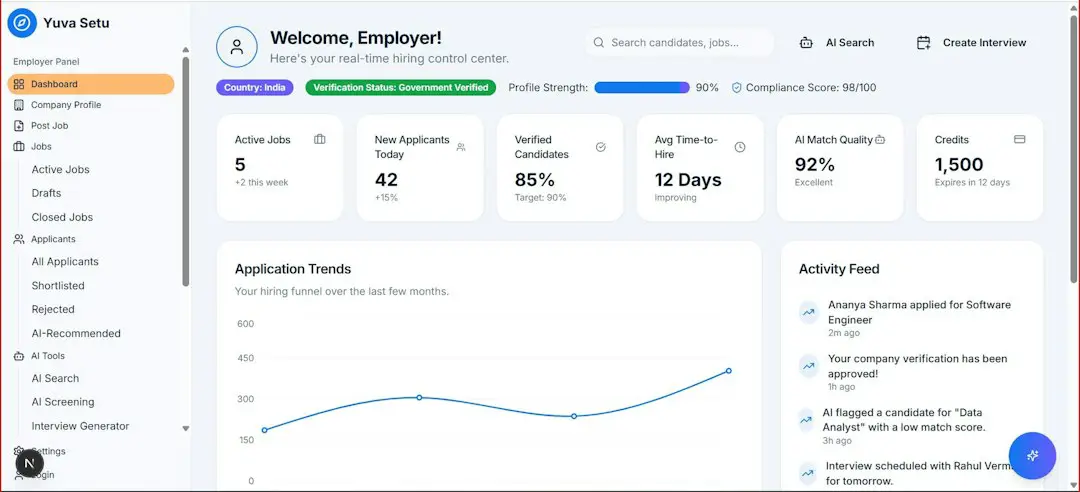
A beginner-friendly bot should feel simple within the first 10 minutes. You should be able to find the main settings quickly. You should understand what each switch does.
Try this mini test:
- Create a demo account.
- Connect a test exchange or use paper mode.
- Start one basic bot.
- Set a small risk limit.
- Pause the bot.
- Find your trade history.
If any of that feels like solving a submarine control panel, move on. Beginner tools should not punish beginners.
Ask These Questions Before Paying
Keep this checklist handy. It is boring. Boring is good. Boring keeps money from vanishing.
- Does it support my exchange?
- Can I use demo mode?
- Can I set stop losses?
- Can I control trade size?
- Are fees easy to understand?
- Can I cancel anytime?
- Does support answer real questions?
- Does it show past results with losses included?
If the answer is “no” to several of these, skip it. There are many bots. You do not need to marry the first shiny dashboard you meet.

A Simple Beginner Plan
Here is a calm way to start.
- Week 1: Learn the bot. Use demo mode only.
- Week 2: Test one strategy. Do not change settings every hour.
- Week 3: Review results. Check profit, losses, and drawdown.
- Week 4: If results make sense, test live with a tiny amount.
- Month 2: Increase slowly only if you understand what is happening.
Start small. Tiny small. If you have $1,000, you might begin with $50 or $100. That gives you room to learn without turning every price move into a personal crisis.
Common Beginner Mistakes
Most bot mistakes are not fancy. They are very human.
- Using too much money too soon.
- Changing settings after every loss.
- Running five bots without understanding one.
- Ignoring market conditions.
- Trusting screenshots of huge profits.
A bot that worked last month may fail this month. Markets change mood. Sometimes they trend. Sometimes they chop sideways. Sometimes they act like a toddler with a drum set.
Final Takeaway
The best AI trading bot for beginners is simple, safe, and testable. It should help you learn, not confuse you into clicking random buttons. Choose demo mode first. Use small amounts later. Keep risk low. And remember this: a good bot is a tool, not a money printer with Wi-Fi.