

Adthena is a competitive search intelligence platform built for brands, agencies, and performance marketing teams that need clearer visibility into paid search activity. It focuses on showing who is competing in search auctions, what messages they use, where budget pressure is increasing, and how brands can protect or improve their share of search.
TLDR: Adthena is best suited for mid-market and enterprise advertisers that spend heavily on paid search and need competitive intelligence at auction level. For example, a retail brand spending $250,000 per month on Google Ads could use Adthena to identify competitor bidding surges, reduce wasted brand spend by 10–20%, and adjust ad copy before market share drops. Its strongest features include market landscape analysis, brand protection, search term visibility, and competitor monitoring. Pricing is quote-based, so smaller businesses may prefer lower-cost alternatives with transparent plans.
What Is Adthena?
Adthena is a PPC intelligence and search analytics tool that helps organizations understand how competitors behave across paid search. Instead of focusing only on a company’s own campaigns, it maps the wider search landscape, showing which advertisers appear for important keywords, how often they show up, and how messaging changes over time.
The platform is commonly used by ecommerce companies, financial services brands, travel businesses, insurance providers, agencies, and other organizations where paid search competition is intense. Its value is strongest when search campaigns are large enough that small improvements in bidding, copy, or keyword coverage can translate into significant savings or revenue gains.
Key Features of Adthena
1. Competitive Search Intelligence
Adthena’s core feature is its ability to reveal the competitive paid search landscape. It can identify direct and indirect competitors, show how they appear across keyword groups, and highlight changes in their activity. This helps marketing teams understand whether competitors are increasing investment, testing new offers, or entering new markets.
2. Share of Search and Market Visibility
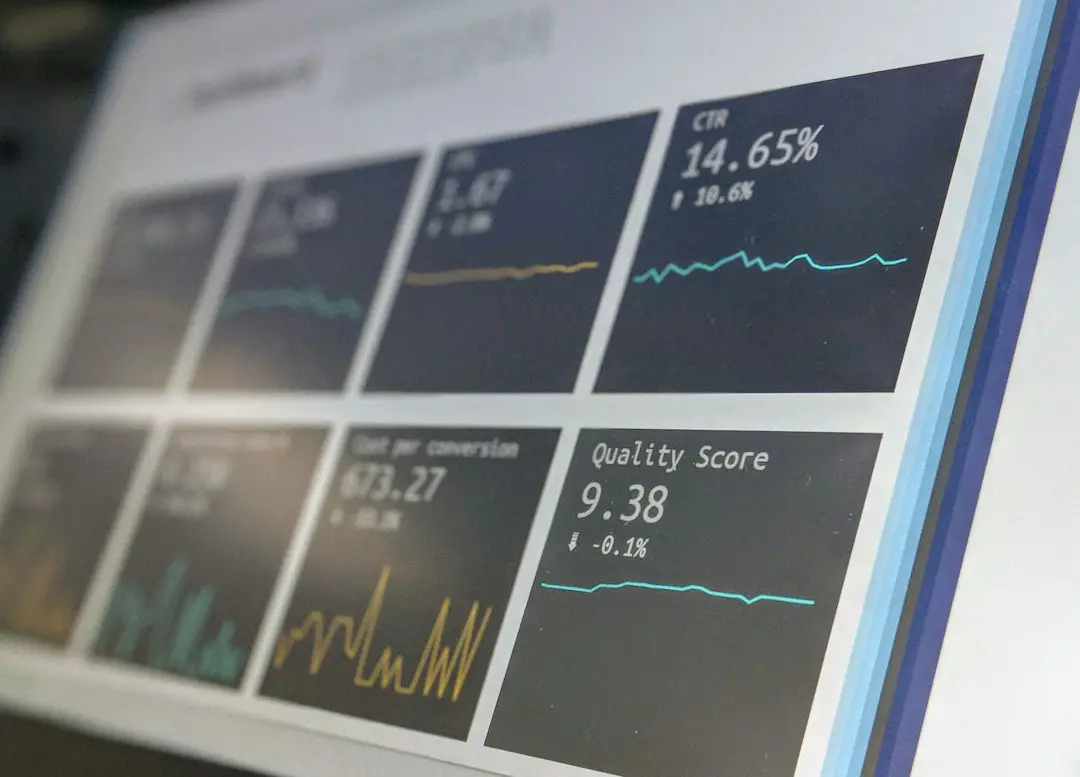
The platform provides visibility into share of search, which helps brands measure how often they appear compared with competitors. This can be useful for leadership reporting because it connects search visibility with market presence. A declining share may indicate stronger competitor bidding, weaker ad relevance, or gaps in campaign coverage.
3. Brand Protection
Adthena helps companies monitor brand terms and identify competitors bidding on branded keywords. For large brands, this can be a major cost-control feature. If competitors are aggressively bidding on a protected brand name, the company can respond with revised bidding rules, legal review, or better ad copy to defend its traffic.
4. Keyword and Ad Copy Monitoring
The platform tracks competitor ad messaging, promotional language, calls to action, and positioning. This is valuable for teams that want to understand how rivals are promoting discounts, product launches, or seasonal campaigns. Instead of manually searching for competitor ads, marketers can monitor changes from a centralized dashboard.
5. Strategic Recommendations
Adthena does not only collect data; it also aims to turn insights into recommendations. Teams can identify wasted spend, missed keyword opportunities, and areas where competitors are gaining visibility. This makes it more useful for performance marketers who need actionable next steps rather than raw reports.
6. Reporting for Agencies and Enterprises
Agencies can use Adthena to prepare competitive reports for clients, while enterprise teams can use it to brief executives on search performance. Its reports can support media planning, competitor benchmarking, quarterly business reviews, and budget discussions.
Adthena Pricing
Adthena does not typically publish standard pricing on its website. Its pricing is usually custom and quote-based, depending on factors such as market size, number of regions, keyword volume, competitor tracking needs, and the level of support required.
This pricing model suggests that Adthena is positioned more toward established businesses than small advertisers. Companies with large paid search budgets are more likely to justify the cost because even a small percentage improvement in efficiency can offset the subscription fee. For example, if a brand reduces unnecessary branded-search spend by 12% on a $100,000 monthly budget, the savings could be meaningful enough to support the investment.
However, the lack of transparent pricing can be a drawback for smaller teams comparing tools quickly. Businesses that need fixed monthly plans may find alternatives easier to evaluate during the buying process.
Pros and Cons of Adthena
- Pros: Strong competitive search visibility, useful brand protection tools, detailed competitor ad monitoring, enterprise-oriented reporting, and actionable PPC insights.
- Cons: Quote-based pricing, possible learning curve, strongest value for larger advertisers, and less suitable for teams with very small paid search budgets.
Who Should Use Adthena?
Adthena is a good fit for companies that rely heavily on paid search and operate in competitive markets. It is especially useful for brands that need to defend branded keywords, monitor aggressive competitors, or report on search visibility at an executive level.
It may not be the best option for a local business with a small monthly ad budget. In that case, a simpler SEO or PPC tool with transparent pricing may provide enough competitive data without the complexity or cost of an enterprise solution.
Best Adthena Alternatives
1. Semrush
Semrush is one of the most popular alternatives because it combines SEO, PPC, competitor research, keyword tracking, and content tools. It is more transparent in pricing and works well for teams that need both organic and paid search insights. While it may not match Adthena’s depth in paid search auction intelligence, it offers a broader marketing toolkit.
2. SpyFu
SpyFu is a budget-friendly option for competitor keyword research and PPC history. It can show competitor ads, estimated paid keywords, and ranking trends. It is particularly useful for small businesses and agencies that want quick competitor insights without enterprise pricing.
3. Similarweb
Similarweb provides digital intelligence across traffic sources, industries, websites, and competitors. It is broader than Adthena and can be useful for market research beyond PPC. Companies that care about total digital market share may prefer Similarweb, while teams focused specifically on paid search may still favor Adthena.
4. iSpionage
iSpionage focuses on PPC competitor research, landing pages, keywords, and ad copy. It is often considered a practical alternative for advertisers that want paid search insights at a lower cost. It is less enterprise-focused but useful for tactical campaign research.
5. Google Ads Auction Insights
Google Ads Auction Insights is not a full Adthena replacement, but it is free within Google Ads and provides useful data about impression share, overlap rate, and outranking share. Its limitation is that it only shows data related to the advertiser’s own auctions, while Adthena is designed to map the broader market.
Final Verdict
Adthena is a powerful competitive search intelligence platform for organizations that need a deeper understanding of paid search competition. Its strengths are strongest in brand protection, market visibility, competitor monitoring, and strategic PPC optimization. For enterprise advertisers, it can help identify wasted spend, defend valuable keywords, and improve decision-making across large campaigns.
Its main drawback is pricing transparency. Since plans are quote-based, teams must speak with sales to understand the investment. For smaller advertisers, tools like Semrush, SpyFu, or iSpionage may be more accessible. For larger brands where paid search performance directly affects revenue, Adthena can be a strong investment.
FAQ
What is Adthena used for?
Adthena is used for competitive paid search intelligence, brand protection, competitor ad monitoring, share of search analysis, and PPC optimization.
Is Adthena pricing public?
No. Adthena generally uses custom, quote-based pricing based on business needs, market coverage, keyword volume, and support requirements.
Is Adthena good for small businesses?
Adthena may be too advanced or costly for many small businesses. Smaller advertisers may prefer tools such as SpyFu, Semrush, or iSpionage.
How does Adthena help with brand protection?
It monitors branded search terms and identifies competitors bidding on brand keywords, helping companies defend traffic and reduce unnecessary spend.
What is the best Adthena alternative?
The best alternative depends on the use case. Semrush is strong for all-in-one SEO and PPC research, SpyFu is useful for budget-friendly competitor analysis, and Similarweb is better for broader digital market intelligence.