

AI agents are no longer sci-fi office helpers with glowing eyes. They are practical digital teammates. They can read, write, check, sort, remind, report, and even make decisions based on rules. For custom development teams, they can turn slow business processes into smooth little machines.
TLDR: An AI agent for custom development can automate many daily business tasks, from support tickets to invoicing. For example, a small software agency could reduce manual project reporting by 60% by letting an AI agent collect updates, summarize progress, and send weekly emails. Teams save time, reduce errors, and focus on creative work. Think of it as hiring a very fast assistant who never asks where the coffee is.

What Is an AI Agent?
An AI agent is software that can act on your behalf. It does not just answer questions. It can follow steps, use tools, collect data, make choices, and complete tasks.
In custom development, an AI agent can be built around your exact business rules. That is the fun part. It does not have to fit into a generic box. It can match your sales flow, your support style, your approval process, and even your weird spreadsheet habits.
Here are 10 business processes you can automate with an AI agent.
1. Customer Support Triage
Support inboxes can become wild jungles. One minute there is a password reset. Next, there is a critical bug. Then someone writes, “Help!!!” with no details.
An AI agent can read incoming tickets and sort them by:
- Urgency
- Topic
- Customer type
- Required team
It can also suggest replies. It can ask the customer for missing details. Your support team gets cleaner queues. Customers get faster answers. Everyone breathes again.
2. Lead Qualification
Not every lead is ready to buy. Some are curious. Some are confused. Some are just downloading your ebook because they like free stuff.
An AI agent can review form submissions, emails, chat messages, and CRM data. Then it can score leads based on your rules. It can check company size, budget, timeline, and interest level.
For example, it can mark a lead as hot if they visited your pricing page three times and asked for a demo. That is a big digital wave.
3. Sales Follow Ups
Sales teams know the pain. You had a great call. The prospect smiled. Then life happened. Nobody sent the follow up.
An AI agent can fix that. It can create personalized emails after calls. It can include discussed points, next steps, and useful links. It can also schedule reminders when a prospect does not reply.
No more “Oops, I forgot.” The robot has your back.
4. Project Status Reporting
Project managers spend lots of time asking one question: “Any updates?”
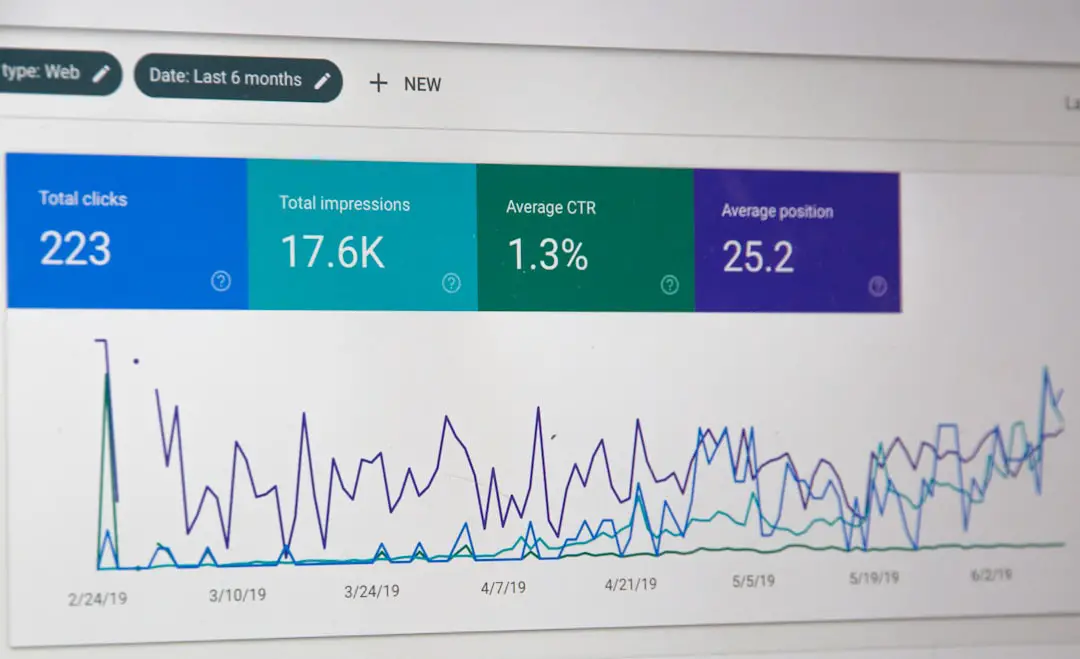
An AI agent can collect updates from task boards, chat tools, code repositories, and time tracking systems. Then it can turn the data into a clean report.
It can show:
- What was completed
- What is delayed
- Who is blocked
- What changed since last week
- What needs attention
This is great for agencies and internal tech teams. Clients get clear updates. Managers get fewer headaches. Developers get fewer “quick check-in” messages.
5. Invoice and Payment Processing
Invoices are important. They are also boring. That makes them perfect for automation.
An AI agent can prepare invoices based on projects, hours, contracts, or milestones. It can check whether numbers match approved work. It can send payment reminders. It can flag overdue accounts.
It can even detect strange items. For example, if a monthly invoice is usually $5,000 and suddenly becomes $15,000, the agent can ask for a review.
Money stays organized. Your finance team stays happier.
6. Employee Onboarding
Starting a new job should feel exciting. It should not feel like a scavenger hunt for passwords, policies, and meeting links.
An AI agent can guide new employees through onboarding. It can send welcome messages, assign training tasks, answer common questions, and remind managers to complete their parts.
It can also personalize the process. A developer gets setup instructions for code tools. A marketer gets brand resources. A salesperson gets CRM training.
Same company. Different paths. Less chaos.
7. Document Review and Approval
Contracts, proposals, reports, and policies often move slowly. Someone writes them. Someone checks them. Someone forgets them. Then everyone panics.
An AI agent can review documents before approval. It can check for missing sections, incorrect dates, risky terms, or mismatched pricing. It can compare the document against templates and company rules.
It does not replace legal or leadership review. It makes their review faster. Think of it as the first filter. Like a very picky proofreader wearing tiny glasses.
8. Inventory and Order Management
If your business sells products, parts, or supplies, inventory can get messy fast. Too much stock ties up cash. Too little stock causes angry customers.
An AI agent can watch inventory levels and sales patterns. It can predict when items may run low. It can create reorder suggestions. It can warn your team before a stock problem becomes a customer problem.
For custom development, the agent can connect with your exact warehouse system, online store, supplier portal, or internal database.

9. Data Entry and Data Cleanup
Data entry is the office version of folding laundry. It never ends.
An AI agent can move data between systems. It can read forms, emails, PDFs, spreadsheets, and databases. It can fill fields, remove duplicates, fix formatting, and catch missing values.
Clean data helps every department. Sales sees better account history. Finance sees correct billing details. Operations sees accurate reports. Leadership makes smarter decisions.
Bad data is expensive. Clean data is quiet magic.
10. Internal Knowledge Search
Every company has hidden knowledge. It lives in old chats, forgotten folders, meeting notes, project docs, and someone named Alex who “just knows.”
An AI agent can turn that scattered knowledge into a searchable helper. Employees can ask simple questions like:
- “How do I request vacation?”
- “Where is the client onboarding checklist?”
- “What is our refund policy?”
- “Who approved the last design change?”
The agent can find the answer and show the source. This saves time. It also reduces repeat questions. Alex can finally eat lunch in peace.
Why Custom Development Matters
Many automation tools are useful. But businesses are not all the same. Your process may include special approvals, strange exceptions, legacy systems, or industry rules.
That is where custom development shines. You can build an AI agent that fits your work instead of forcing your team to change everything.
A custom AI agent can connect to your:
- CRM
- ERP system
- Project management tools
- Databases
- Email platforms
- Support desk
- Internal apps
It can also follow your permission rules. That matters. Not everyone should see payroll data, contracts, or private customer details.
How to Start Small
You do not need to automate the whole company on day one. Please do not. That is how meetings get names like “Digital Transformation Phase 9B.”
Start with one annoying process. Pick something repetitive, easy to measure, and valuable.
Good starter ideas include:
- Support ticket sorting
- Weekly project summaries
- Lead scoring
- Invoice reminders
- Employee FAQ answers
Measure the time saved. Track error reduction. Ask users if the agent helps. Then improve it.
What Makes a Good AI Agent?
A good AI agent is not just smart. It is useful. It should have clear goals, safe limits, and access to the right tools.
It should also know when to stop and ask a human. For example, it can draft a contract summary. But it should not approve a risky legal change by itself.
The best agents work like helpful teammates. They handle the boring parts. They make suggestions. They keep records. They do not pretend to be magic.
Final Thoughts
An AI agent for custom development can automate business processes that drain time and energy. Support, sales, finance, HR, operations, and project management can all benefit.
The goal is not to replace people. The goal is to remove repetitive work so people can do better work. More thinking. More building. More customer care. Fewer copy-paste marathons.
Start small. Choose one process. Build, test, improve, and repeat. Soon, your AI agent may become the quiet office hero nobody sees, but everybody appreciates.