
Start tracking how AI engines describe your brand now, not after traffic drops. Gartner has predicted that traditional search engine volume could fall by 25% by 2026 as people use AI chatbots and other answer engines instead [source: Gartner]. That means your brand no longer needs to rank only in Google. It also needs to appear correctly in ChatGPT, Perplexity, Gemini, Claude, and AI search results.
TLDR: AI search visibility tools help you see if your brand is mentioned, cited, ignored, or misrepresented in AI answers. A simple use case: a B2B software company tests 100 buyer prompts and finds it appears in only 18% of AI answers, while two rivals appear in more than 45%. After fixing product pages, comparison content, third party listings, and FAQs, it can measure whether visibility rises over the next 30 to 60 days. These tools are still young, so use them for direction, not blind decision making.
What AI Search Visibility Management Means
AI search visibility management is the process of checking how AI systems understand, mention, and cite your brand. It is part SEO, part reputation monitoring, and part content quality control.
Classic SEO tells you where you rank for keywords. AI visibility tracking asks different questions:
- Does the AI mention your brand for real buying questions?
- Does it cite your site, or does it cite competitors?
- Does it describe your products correctly?
- Are old prices, old features, or false claims showing up?
- Which sources are training or informing the answer?
The annoying part is that AI answers can change. The same prompt can produce different wording a few minutes later. So the goal is not perfect certainty. The goal is a repeatable signal.
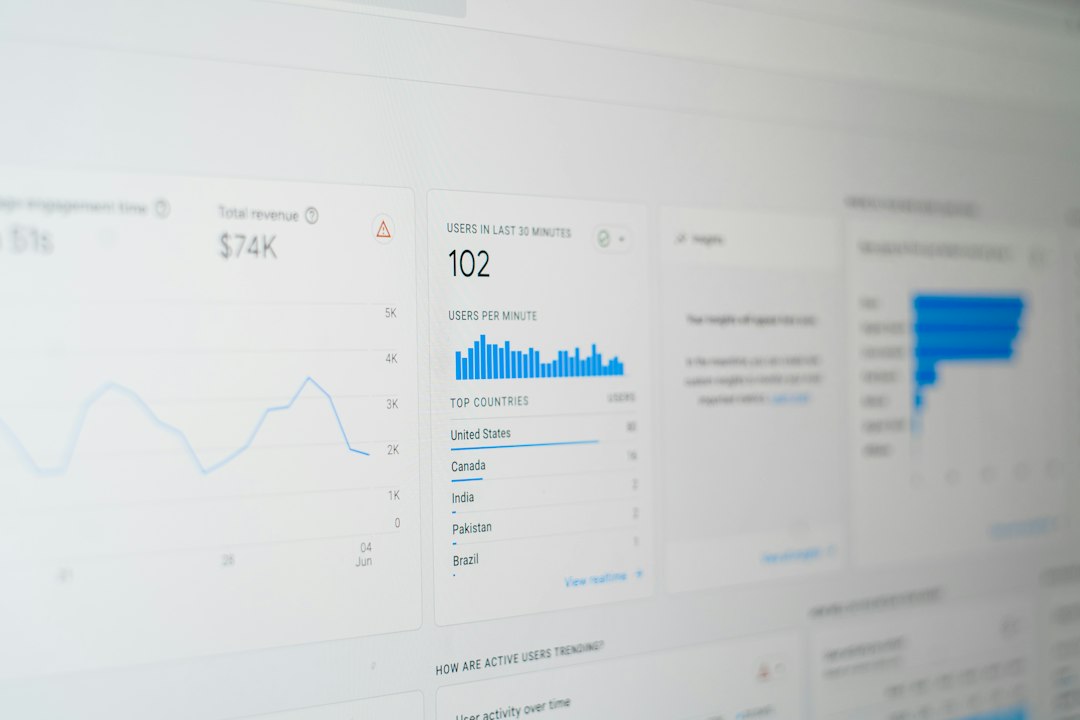
7 Tools to Monitor and Improve AI Brand Presence
1. Profound
Profound is built for brands that want AI answer tracking across prompts, topics, and competitors. It focuses on where your company appears in tools such as ChatGPT and Perplexity, and which sources influence those answers.
Best for: mid market and enterprise teams that need structured reporting.
Watch out for: setup quality. If your prompt set is weak, the data will be weak too.
2. Peec AI
Peec AI tracks brand mentions, competitor mentions, and cited sources inside AI search results. It is useful for marketing teams that want a clear view of how often they show up for commercial prompts.
Best for: teams that want quick visibility checks without heavy setup.
Practical use: compare “best CRM for small law firms” against “best CRM for agencies” and see where your brand appears, if at all.
3. AthenaHQ
AthenaHQ focuses on AI search performance and answer engine optimization. It helps teams understand how their pages, reviews, listings, and external mentions affect AI answers.
Best for: brands investing in content and authority building.
Small frustration: expect to spend time sorting prompts into useful groups. That work is boring, but it makes reports far more reliable.
4. Otterly.AI
Otterly.AI monitors brand visibility in AI search and tracks prompts over time. It can help you spot changes in mentions, answer wording, and competitor presence.
Best for: agencies and in house SEO teams that need recurring checks.
Why it matters: if an AI answer keeps citing a competitor’s comparison article, you know what kind of content you may need to improve.
5. Semrush AI Toolkit
Semrush has started adding AI visibility features alongside its SEO and content tools. For teams already using Semrush, this can be a practical way to connect keyword research, content audits, and AI presence checks in one workflow.
Best for: SEO teams that do not want another separate tool.
Good fit: brands that still care about Google rankings but also need to see how AI answer engines treat their content.
6. Brandwatch
Brandwatch is not only an AI search visibility tool. It is a broader consumer intelligence and social listening platform. Still, it can help track brand sentiment, common complaints, influencer mentions, and public content that AI systems may later reflect.
Best for: larger brands with reputation risk.
Use it with: an AI prompt tracking tool. Brandwatch shows public perception. AI visibility tools show how that perception appears in answers.
7. AlsoAsked or AnswerThePublic
AlsoAsked and AnswerThePublic are not full AI visibility platforms. They are prompt and question research tools. They help you find the real questions people ask before buying, comparing, or switching vendors.
Best for: building a smarter AI monitoring prompt list.
Example: instead of tracking only “best accounting software,” add prompts like “which accounting software is easiest for a two person agency?” AI tools respond better to natural questions, so your tracking should match that behavior.
How to Choose the Right Tool
Do not buy based on a slick dashboard alone. Ask hard questions first.
- Coverage: Which AI engines does it test?
- Repeatability: Can it run the same prompts every week?
- Citations: Does it show which sources shaped the answer?
- Competitor tracking: Can it compare share of voice?
- Exports: Can your team use the data in reports?
- Action steps: Does it suggest what to fix?
Honestly, it feels like some tools still make you click three screens just to answer one simple question: “Are we showing up or not?” Favor tools that save time and make trends clear.
What to Improve After You Start Tracking
Monitoring alone will not fix weak visibility. You need better signals across the web.
- Update product pages with clear features, pricing notes, and use cases.
- Create honest comparison pages against major competitors.
- Improve author bios, case studies, and expert content.
- Keep third party profiles accurate on review sites and directories.
- Add FAQs that answer real buyer questions in plain language.
- Earn mentions from trusted industry sites, not random blogs.
AI systems tend to reward clear, consistent information. If your site says one thing, your listings say another, and reviews tell a third story, expect confusion.
The Serious View
AI visibility management is not a replacement for SEO, PR, or brand strategy. It sits between them. The strongest teams will track prompts, fix weak content, clean up public profiles, and measure progress monthly.
Start with 50 to 100 high intent prompts. Track your brand, three competitors, citations, and answer accuracy. Then improve the sources that AI systems keep using. That is the practical path. Not magic. Just disciplined brand management for the way search is changing.