

Imagine typing a sentence and hearing it spoken in a voice that sounds warm, clear, and almost human. Now imagine that voice sounds like you. That is the magic of AI voice cloning. Tools like Descript make this feel less like science fiction and more like a handy everyday app.
TLDR: AI voice cloning tools can create realistic voices from short voice samples. Tools like Descript help podcasters, video makers, teachers, and businesses fix audio or create new speech fast. They are fun and powerful, but they must be used with consent and care. The best results come from clear recordings, good scripts, and smart editing.
What Is AI Voice Cloning?
AI voice cloning is a way to copy the sound of a person’s voice using artificial intelligence. The AI listens to a voice sample. It studies tone, rhythm, accent, pitch, and speaking style. Then it learns how to speak new words in that same voice.
Think of it like a super smart parrot. But instead of repeating only what it hears, it can say brand new lines. You type the words. The tool speaks them. It can sound calm, excited, serious, or friendly, depending on the system.
This is why voice cloning is popular with creators. It can save time. It can fix mistakes. It can help people make audio without setting up a microphone every single time.


How Tools Like Descript Work
Descript is one of the best known tools in this space. It is popular because it makes audio editing feel like editing a document. You record or upload audio. The tool turns speech into text. Then you can edit the text, and the audio changes too.
That feels wild at first. Delete a word in the transcript, and it disappears from the audio. Move a sentence, and the audio moves with it. It is like magic scissors for sound.
Descript also offers voice features. With the right setup and permission, users can create a voice model. Then they can type new words and generate speech in that voice. This is useful when someone makes a small mistake in a podcast. Instead of recording the whole section again, they can type the missing line.
Other AI voice tools work in similar ways. Some focus on narration. Some focus on video dubbing. Some focus on customer service voices. The idea is the same. The AI learns how a voice sounds. Then it generates speech from text.
Why People Use AI Voice Cloning
People use AI voice cloning for many reasons. Some are practical. Some are creative. Some are just plain fun.
- Podcast editing: Fix a wrong word without recording again.
- Video narration: Make voiceovers for YouTube, courses, or ads.
- Audiobooks: Create long spoken content faster.
- Training videos: Keep the same voice across many lessons.
- Accessibility: Help people create speech in a voice they choose.
- Localization: Make content in different languages or accents.
- Game characters: Give digital characters unique voices.
For creators, the big win is speed. Recording clean audio can take time. You need a quiet room. You need a good mic. You need several takes. AI voice tools reduce that work.
For teams, the big win is consistency. A company can use the same voice style across tutorials, product videos, and help guides. That makes the brand feel more polished.
What Makes a Voice Sound Real?
A realistic AI voice is not just about the words. Humans do not speak like robots. We pause. We breathe. We stretch words. We laugh a little. We speed up when excited. We slow down when serious.
Good AI voice tools try to copy these details. They add natural timing. They shape vowels and consonants. They place pauses where a person would place them. They may even add tiny imperfections. That is important, because perfect speech can sound fake.
Here are some things that make a voice feel real:
- Tone: Does it sound happy, sad, calm, or energetic?
- Pace: Is it too fast, too slow, or just right?
- Pauses: Does it breathe between ideas?
- Emotion: Does it match the message?
- Pronunciation: Does it say names and tricky words correctly?
- Texture: Does it have warmth, grit, or softness?
The best clones do not only sound like a person. They also feel like that person. That is the hard part.

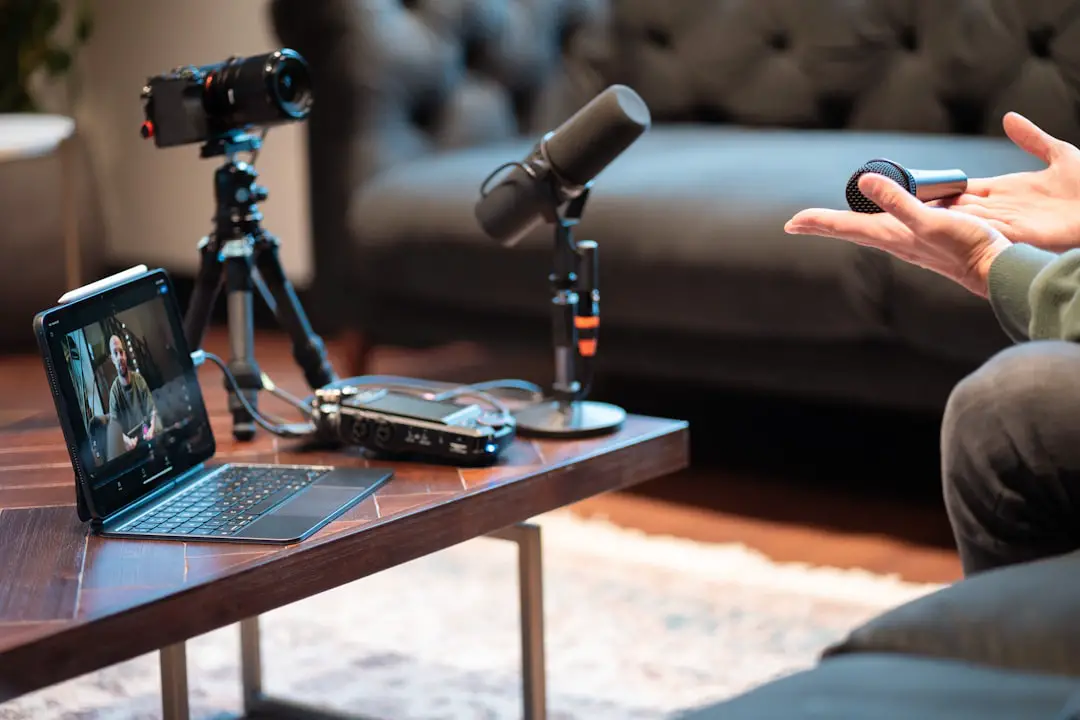
Descript And Similar Tools
Descript is often the first tool people hear about. It is easy to use. It combines recording, transcription, editing, screen capture, and AI voice features in one place. That makes it great for podcasters and video creators.
But it is not the only option. There are many AI voice platforms. Some are built for quick text to speech. Some are built for professional studios. Some are built for business use. Many offer voice libraries, custom voices, and emotion controls.
When comparing tools, look at a few simple things:
- Voice quality: Does it sound natural?
- Ease of use: Can you learn it quickly?
- Editing tools: Can you fix timing and pronunciation?
- Consent rules: Does it protect real people’s voices?
- Export options: Can you download clean audio files?
- Language support: Does it work in the languages you need?
- Price: Does it fit your budget?
The right tool depends on your goal. If you make podcasts, you may want transcript editing. If you make social videos, you may want fast voiceovers. If you run a company, you may want team controls and security.
The Fun Side Of AI Voices
AI voices can be very fun. You can make a tiny robot host your cooking show. You can turn a boring product update into a dramatic movie trailer. You can create a friendly guide for an online course. You can test different tones without calling a voice actor every time.
You can also use AI voices to brainstorm. Try a line in a calm voice. Then try it in a bold voice. Then try it with a cheerful style. Suddenly, your script feels alive. It is like trying on hats, but for sound.
This can help beginners too. Many people feel shy recording their own voice. AI narration can give them a starting point. They can make a draft, listen to it, and improve the script. Later, they may record it themselves. Or they may keep the AI version if it fits.
The Serious Side: Consent And Safety
Now comes the important part. Voice cloning can be amazing. It can also be risky. A voice is personal. It is part of someone’s identity. So you should never clone a person’s voice without clear permission.
This matters for celebrities. It matters for coworkers. It matters for friends and family too. Just because you can copy a voice does not mean you should.
Bad actors can use fake voices for scams. They can pretend to be a boss, a parent, or a public figure. That is why responsible tools add safety checks. They may require voice verification. They may ask for consent. They may limit certain uses.
Here are simple rules to follow:
- Get consent: Always ask before cloning a real voice.
- Be honest: Tell people when audio is AI generated.
- Do not impersonate: Do not trick listeners.
- Protect files: Keep voice samples safe.
- Follow laws: Rules can vary by place and industry.
A good rule is simple. If the person would feel shocked, harmed, or fooled, do not do it.

How To Get Better Results
AI voice tools work best with good input. If your sample is noisy, the clone may sound messy. If your script is stiff, the voice may sound stiff too. The AI is powerful, but it is not a wizard with unlimited sparkle dust.
Use these tips for better voice results:
- Record in a quiet room. Turn off fans and loud machines.
- Use a decent microphone. Even a simple USB mic can help.
- Speak naturally. Do not read like a robot.
- Use clean scripts. Short sentences sound better.
- Add punctuation. Commas and periods guide the voice.
- Check pronunciation. Names may need special spelling.
- Listen twice. Small errors can hide at first.
Also, write for the ear. Spoken words are different from written words. A sentence may look smart on a page but sound clunky out loud. Keep it simple. Use contractions. Say “you’re” instead of “you are” when it feels natural. Break long thoughts into smaller chunks.
Who Benefits Most?
AI voice cloning is useful for many people. But some groups get extra value from it.
Podcasters can fix little mistakes. They can add intros. They can update sponsor lines. They can do it without setting up a full recording session.
YouTubers can create voiceovers faster. They can test different versions of a video. They can keep a consistent sound across a channel.
Teachers can build lessons with clear narration. They can update old material quickly. They can make learning feel more personal.
Businesses can create training audio, product explainers, and customer support clips. This helps teams move faster.
People with speech challenges may also benefit. In some cases, voice technology can help someone communicate using a voice that feels personal to them. That is one of the most meaningful uses of this technology.
Will AI Replace Human Voice Actors?
This is a big question. The short answer is not completely. AI voices are useful. They are fast. They are getting better all the time. But human voice actors bring creativity, emotion, and taste.
A human can understand a scene. A human can try a weird idea. A human can add a tiny laugh that changes everything. AI can imitate patterns, but people bring lived experience.
The future may be a mix. AI can handle quick drafts, simple narration, and repeated updates. Human actors can handle deep emotion, major campaigns, and character work. Smart creators will use both.
What To Expect Next
AI voices will keep improving. They will sound more natural. They will handle emotion better. They will speak more languages. They may even match lip movements in video more smoothly.
We will also see more rules. That is a good thing. Clear rules help people use the technology safely. They protect creators. They protect listeners. They protect the people whose voices are being copied.
In the future, we may all have personal voice models. You might use yours to read emails, narrate family videos, or create lessons. But control will matter. Your voice should belong to you.
Final Thoughts
AI voice cloning tools like Descript are changing how we make audio. They turn text into speech. They fix mistakes fast. They help creators move from idea to finished project with less stress.
They are also a reminder that powerful tools need thoughtful users. Use them with consent. Use them with honesty. Use them to create, not to deceive.
If you are curious, try a simple project. Write a short script. Generate a voiceover. Listen closely. Adjust the words. Add better pauses. Have fun with it.
Because the future of audio is not just loud. It is smart, flexible, and maybe a little bit goofy. And sometimes, it sounds almost exactly like you.