
Remote work in 2026 is more competitive than it was a few years ago, but it is still realistic for beginners who do not have a college degree or formal experience. The key is to target roles where employers value reliability, communication, basic digital skills, and trainability more than credentials. While no legitimate job is truly “effort-free,” several remote roles are accessible if you are willing to learn the tools, follow instructions carefully, and build a small portfolio or proof of ability.
TLDR: The best beginner-friendly remote jobs in 2026 include customer support, virtual assistance, data entry, online moderation, appointment setting, transcription, social media assistance, and basic content support. Most do not require a degree, but they do require professionalism, good written communication, and comfort using common online tools. To improve your chances, focus on one or two job types, create a simple resume, practice the required tools, and avoid any “job” that asks you to pay upfront for guaranteed placement.
What Makes a Remote Job Beginner-Friendly?
A beginner-friendly remote job is not simply a job that anyone can get instantly. It is a role with a low barrier to entry, clear tasks, and skills that can be learned without formal education. In 2026, many companies use hiring assessments, trial tasks, or short interviews instead of requiring a degree. That can work in your favor if you can show that you are organized, responsive, and able to work independently.
For most entry-level remote roles, employers look for the following:
- Reliable internet and a quiet work environment, especially for phone or video-based roles.
- Clear written communication, including proper grammar and professional tone.
- Basic computer skills, such as using email, spreadsheets, chat apps, and web-based software.
- Time management, because remote managers cannot constantly monitor your work.
- Willingness to learn, particularly when using company-specific systems.
Important: “No experience required” does not mean “no preparation required.” Applicants who spend even a few days learning the tools and language of a role often stand out from people who apply randomly to everything.
1. Remote Customer Support Representative
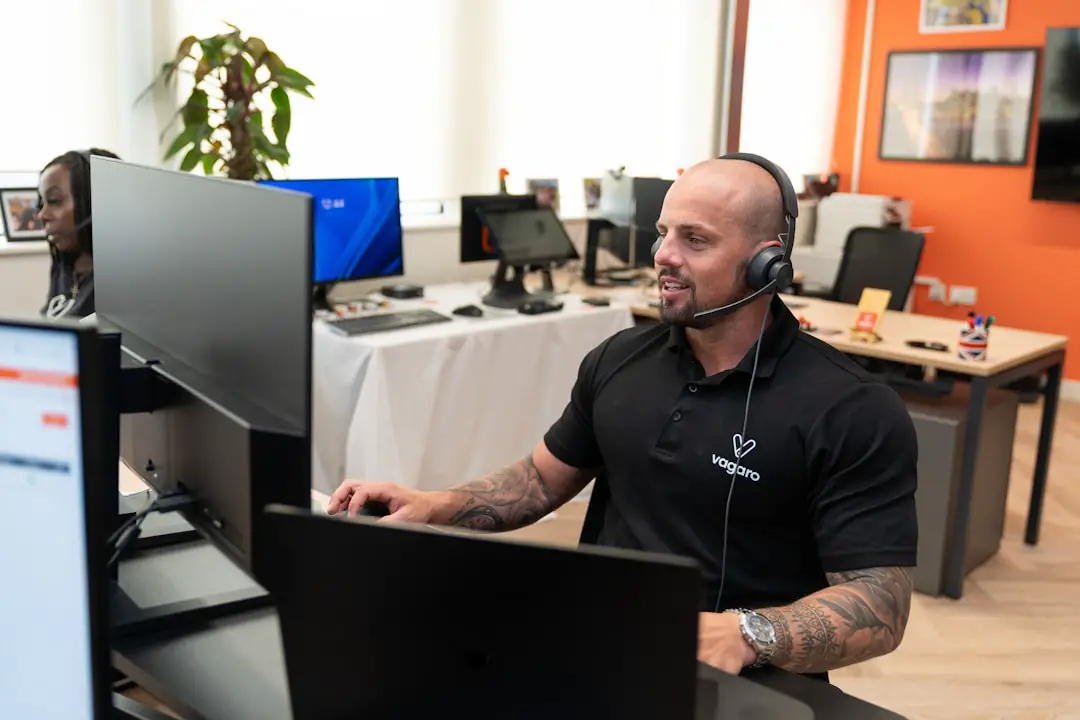
Customer support remains one of the most realistic entry points into remote work. Companies need people to answer questions, solve basic problems, process refunds, update accounts, and guide customers through websites or apps. Many support roles use email, live chat, phone, or a combination of all three.
This job is beginner-friendly because companies usually provide scripts, knowledge bases, and training. A degree is rarely necessary. What matters most is patience, tone, problem-solving, and the ability to stay calm when customers are frustrated.
Common tools: Zendesk, Intercom, Help Scout, Slack, Microsoft Teams, Google Workspace.
Best for: People who communicate clearly, do not mind repetitive questions, and can remain professional under pressure.
Typical entry-level pay: Varies widely by country and company, but many roles fall into an hourly range rather than high salary positions. Specialized technical support usually pays more after you gain experience.
2. Virtual Assistant
A virtual assistant, often called a VA, helps business owners, freelancers, executives, or small teams with administrative tasks. This can include managing email, scheduling meetings, organizing files, preparing documents, researching information, booking travel, or updating spreadsheets.
This role is attractive for beginners because the tasks are often straightforward, but it does require trustworthiness and attention to detail. Many clients would rather hire a dependable beginner than an experienced person who misses deadlines or communicates poorly.
Examples of beginner VA tasks include:
- Organizing inboxes and labeling emails
- Scheduling appointments and calendar reminders
- Creating simple spreadsheets
- Uploading documents to shared folders
- Researching contact information or competitors
- Preparing simple reports from provided data
To get started, learn basic Google Calendar, Gmail, Google Sheets, Microsoft Excel, and task management tools like Trello, Asana, or ClickUp. You can create a sample “VA services” document that describes what you can do, even if you have not yet had a paid client.
3. Data Entry Clerk
Data entry is one of the most searched beginner remote jobs, and for good reason: it usually does not require a degree or advanced training. Workers enter, update, verify, or clean information in databases, spreadsheets, content systems, or customer records.
However, this category also attracts scams, so caution is necessary. Legitimate data entry jobs do not ask you to pay for training, buy equipment from a specific vendor, or deposit checks on behalf of the company. A real employer will clearly explain the tasks, pay structure, and hiring process.
Skills that help:
- Fast and accurate typing
- Careful proofreading
- Basic spreadsheet knowledge
- Ability to follow repetitive instructions
- Confidentiality when handling personal information
Data entry may not be the highest-paying remote job, but it can be useful as a first step. After gaining experience, you may move into operations support, inventory coordination, administrative support, or quality assurance.
4. Online Community Moderator
Online communities are everywhere: forums, social media groups, Discord servers, membership sites, product communities, and learning platforms. Moderators help keep discussions safe, organized, and respectful. They may approve posts, remove spam, respond to basic questions, enforce community rules, and escalate serious issues.
This job can be a good fit if you spend time online and understand how people behave in digital spaces. Companies often care more about judgment, fairness, and written communication than formal qualifications.
Typical responsibilities include:
- Reviewing comments and posts against community guidelines
- Removing spam, harassment, or inappropriate content
- Answering common member questions
- Reporting trends or repeated issues to managers
- Helping maintain a positive tone in the community
Note: Some moderation jobs involve reviewing disturbing or sensitive content. Read job descriptions carefully and ask questions about what type of content you will handle.
5. Appointment Setter
Appointment setters contact potential customers and schedule calls for sales teams, consultants, clinics, agencies, or service businesses. The work may involve phone calls, email, text messages, or direct messages, depending on the company.
This role is beginner-friendly because companies often provide scripts and lead lists. You do not usually need a degree, but you do need confidence, persistence, and a professional tone. If you dislike talking to people or handling rejection, this may not be the best fit. If you are comfortable with structured conversations, it can be a strong entry point into sales or client success.
Watch for pay structure: Some appointment setting jobs are hourly, some are commission-based, and some combine both. For beginners, an hourly role or a base pay plus commission is usually safer than a commission-only offer.
6. Transcriptionist
Transcription involves listening to audio or video and typing what is said. Entry-level general transcription may include interviews, podcasts, meetings, lectures, or simple business recordings. It does not require a degree, but it does require strong listening, grammar, and typing accuracy.
In 2026, automated transcription tools are common, but human transcriptionists are still needed for editing, formatting, correcting errors, identifying speakers, and handling unclear audio. Beginners may start with general transcription and later specialize in legal, medical, or research transcription, although specialized areas may require additional training.
Best for: Patient people who can focus for long periods and enjoy detailed work.
What to practice: Typing speed, punctuation, formatting, and listening to different accents. A good headset can make a major difference.
7. Social Media Assistant
A social media assistant supports creators, small businesses, agencies, or online stores with basic social media tasks. This can include scheduling posts, organizing content calendars, responding to comments, finding simple trends, collecting performance numbers, or repurposing short pieces of content.
This is not the same as being a senior social media strategist. Beginner roles are usually more operational. You may not be expected to create a full marketing plan, but you should understand platform basics and be able to follow brand guidelines.
Beginner tasks may include:
- Scheduling posts in tools like Buffer, Later, Metricool, or native platform schedulers
- Replying to simple comments using approved responses
- Collecting weekly engagement numbers
- Organizing image and video files
- Writing simple captions based on examples
To improve your chances, create a small sample content calendar for a fictional business or local organization. This shows that you understand consistency, tone, and organization.
8. Content Assistant or Blog Support
Content assistants help websites, agencies, and marketing teams keep content organized and published. This may include uploading articles to a content management system, formatting headings, adding internal links, checking links, sourcing images, writing short summaries, or proofreading drafts.
You do not need a journalism degree to start, but you should be comfortable reading carefully and following style instructions. Familiarity with WordPress, Google Docs, basic SEO concepts, and grammar tools can help you stand out.
A beginner content support portfolio could include:
- A properly formatted sample blog post
- A before-and-after proofreading example
- A simple content calendar
- A list of article title ideas for a specific niche
This role can lead to better opportunities in editing, SEO, copywriting, content management, or digital marketing after you gain experience.

Where to Find Legitimate Beginner Remote Jobs
Finding a real remote job requires a focused search. Large job boards can help, but beginners often apply to hundreds of postings without tailoring their resume. A better approach is to choose two or three job titles and build a simple application around those roles.
Places to search include:
- General job boards with remote filters
- Company career pages
- Remote-specific job boards
- Freelance platforms for small starter projects
- Local businesses that may need part-time virtual help
- Professional communities related to customer support, admin work, or digital marketing
Use search terms such as entry level remote customer support, remote virtual assistant no degree, junior content assistant remote, remote data entry clerk, and online community moderator. Read descriptions carefully. If a listing says “entry level” but asks for five years of experience, move on rather than wasting time.
How to Apply Without Experience
If you have no formal experience, your application should show evidence of transferable skills. For example, retail work can show customer service ability. School projects can show organization. Volunteer work can show reliability. Managing a family schedule, helping a local business, or running a small online page can also demonstrate useful skills if described professionally.
Your beginner remote resume should include:
- A short summary focused on reliability, communication, and computer skills
- Any customer service, admin, writing, sales, or volunteer experience
- Tools you can use, such as Google Workspace, Excel, Zoom, Slack, or Canva
- Typing speed or language skills, if relevant
- One or two simple portfolio examples, if applying for content, VA, or social media roles
When writing a cover letter, avoid saying only “I have no experience, but I am willing to learn.” Instead, be specific: “I am comfortable using Google Sheets, organizing information accurately, and responding to messages in a professional tone. I am available during the listed hours and can follow documented procedures carefully.”
Red Flags to Avoid
Remote job scams are common, especially in beginner categories. Protect yourself by slowing down and checking details before sharing personal information.
Be cautious if a job:
- Promises unusually high pay for very little work
- Requires you to pay for training or equipment before being hired
- Uses only messaging apps and avoids a company email or official interview process
- Asks you to deposit checks or move money
- Pressures you to decide immediately
- Has a vague job description with no clear responsibilities
A serious employer will explain the role, expected hours, pay, tools, and hiring steps. If something feels rushed or secretive, treat it as a warning sign.
Best Overall Choices for Beginners in 2026
If you want the most practical path, start with roles that match your natural strengths. For strong communicators, customer support and appointment setting are good choices. For organized detail-oriented people, virtual assistance and data entry may be better. If you enjoy online spaces, consider community moderation or social media assistance. If you prefer quiet focused work, transcription or content support may fit.
The strongest beginner strategy is to choose one direction, learn the basic tools, create proof of skill, and apply consistently. In 2026, remote employers receive many applications, but many are generic and careless. A focused, professional application can still stand out.
Remote work without a degree or experience is possible, but it should be approached seriously. Treat your search like a project: build skills, track applications, avoid scams, and improve your materials as you learn. The first job may not be perfect, but it can give you the experience needed to qualify for better remote opportunities over time.