
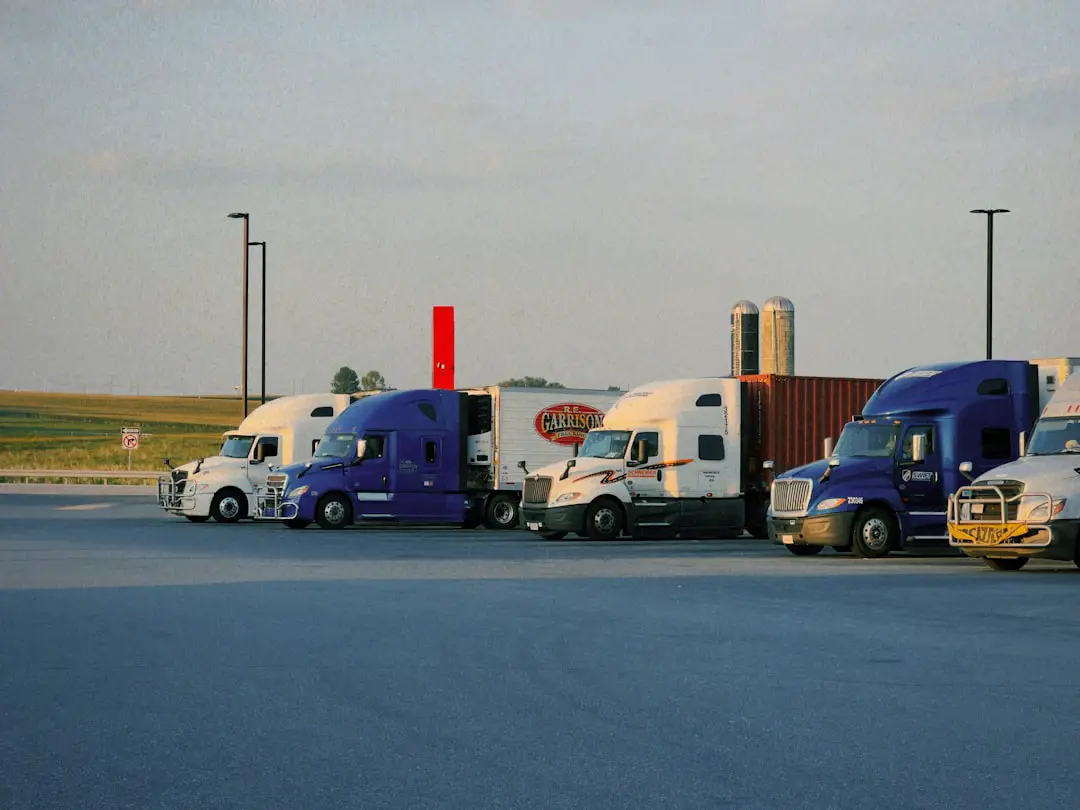
Fuel distributors operate in a demanding environment where margins are tight, customer expectations are high, and delivery schedules can change quickly. The best fuel distribution software for operations management helps companies coordinate dispatching, inventory, billing, compliance, driver activity, and customer service from one connected system.
TLDR: The best fuel distribution software centralizes fuel orders, dispatching, inventory tracking, fleet activity, and invoicing so operations teams can work more efficiently. Leading platforms often include route optimization, tank monitoring integrations, mobile driver apps, compliance tools, and real-time reporting. The right choice depends on company size, delivery model, fuel types, integrations, and the level of automation required.
Why Fuel Distribution Software Matters
Fuel distribution is more complex than standard delivery management. Operators must manage fluctuating fuel prices, strict safety regulations, driver availability, bulk inventory, wet hosing, cardlock sites, automatic delivery customers, and emergency orders. Manual spreadsheets or disconnected systems often create delays, duplicate data entry, billing errors, and poor visibility across departments.
Fuel distribution software gives managers a single operational hub. Dispatchers can see pending deliveries, available trucks, driver capacity, customer locations, inventory levels, and route performance in real time. Accounting teams can convert completed deliveries into invoices faster, while leadership can track profitability by route, customer, product, terminal, or asset.
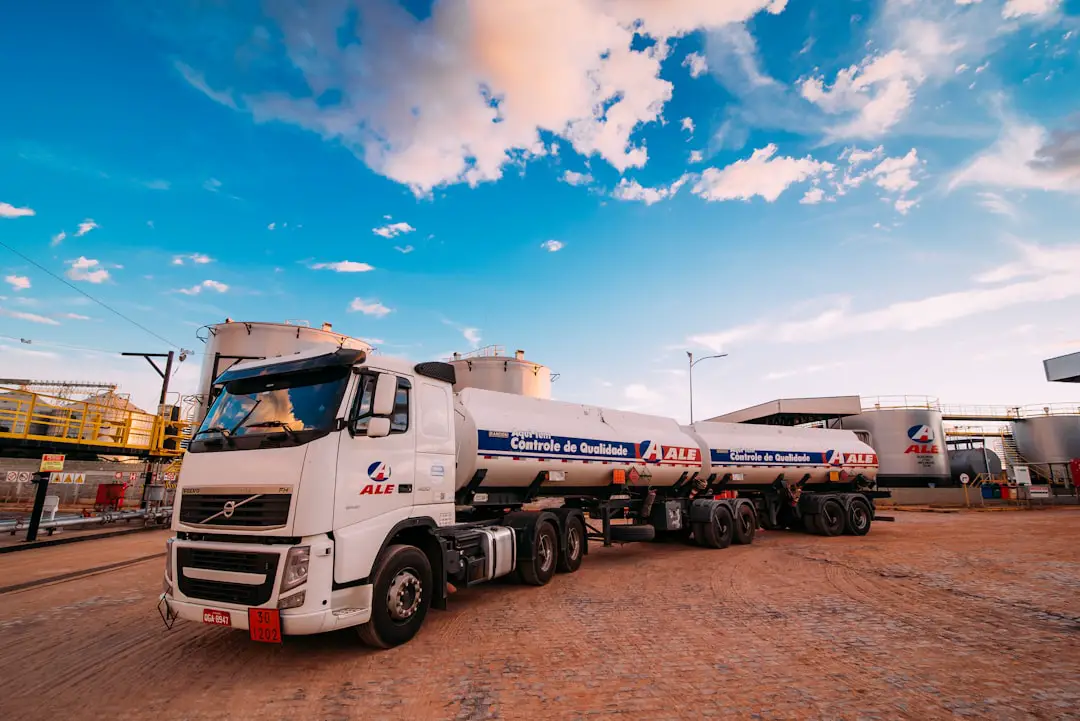
Key Features of the Best Fuel Distribution Software
The strongest platforms usually combine several operational tools into one system. While features vary by vendor, the following capabilities are especially important for fuel distributors.
- Order management: The system should capture will-call, automatic delivery, contract, bulk, and emergency fuel orders with clear status tracking.
- Dispatch and scheduling: Dispatchers need drag-and-drop scheduling, driver assignment tools, delivery prioritization, and visibility into truck capacity.
- Route optimization: Smart routing can reduce mileage, fuel consumption, labor hours, and missed delivery windows.
- Inventory management: Software should track fuel levels at bulk plants, terminals, customer tanks, and mobile assets where applicable.
- Mobile driver applications: Drivers benefit from electronic tickets, directions, proof of delivery, digital signatures, meter readings, and offline functionality.
- Billing and accounting integration: Completed deliveries should flow into invoicing, pricing, tax calculation, and accounting systems without repetitive manual entry.
- Tank monitoring integration: Real-time tank data helps distributors predict demand, avoid runouts, and plan more efficient deliveries.
- Compliance and safety tools: Operators may need support for driver logs, inspections, hazardous materials documentation, tax reporting, and audit trails.
- Reporting and analytics: Managers should be able to review delivery costs, margin trends, asset utilization, customer profitability, and service performance.
Top Fuel Distribution Software Options for Operations Management
There is no single platform that fits every fuel distributor. The best software depends on whether the company delivers heating oil, propane, diesel, gasoline, lubricants, aviation fuel, or commercial fleet fueling services. Still, several platforms are commonly considered by distributors seeking stronger operations management.
1. ADD Systems
ADD Systems is widely used by fuel oil, propane, lubricant, and convenience store operators. It offers modules for dispatching, routing, customer management, delivery forecasting, accounting, inventory, and mobile workforce management. Its strength lies in supporting end-to-end petroleum distribution workflows, from order creation to invoicing and reporting.
Operations teams may find it especially useful when they need a mature platform with industry-specific functionality. Companies with complex customer accounts, multiple product lines, and recurring delivery schedules may benefit from its depth.
2. Cargas Energy
Cargas Energy is designed for fuel delivery companies that need integrated back-office, delivery, service, and mobile tools. It supports fuel oil, propane, diesel, lubricants, and HVAC service operations. Its dispatch board, forecasting tools, mobile delivery app, and reporting features make it a strong option for companies looking to modernize daily workflows.
The platform is often a good fit for businesses that value usability, customer management, and operational visibility. It can help dispatchers plan deliveries more effectively while giving management better insight into driver performance and customer activity.
3. PDI Technologies
PDI Technologies provides software for petroleum wholesale, logistics, convenience retail, and fuel supply chain operations. Its solutions can support dispatching, terminal management, pricing, inventory, accounting, and enterprise reporting. For larger fuel distributors or companies connected to retail fuel networks, PDI may offer the scale and integration capabilities needed for complex operations.
Organizations managing high transaction volumes, multiple terminals, or wholesale fuel relationships may find PDI’s enterprise focus valuable. It is often considered when operational control must extend beyond local delivery into broader supply chain visibility.
4. FleetPanda
FleetPanda is a modern fuel dispatch and operations platform often used by mobile fueling, lubricant, and petroleum delivery companies. It emphasizes digital dispatching, mobile driver workflows, customer portals, electronic proof of delivery, and automated invoicing connections.
Its interface and mobile-first approach can be helpful for growing distributors that want to reduce paper tickets and improve communication between dispatchers, drivers, and customers. It may be especially attractive for companies focused on commercial fueling and on-site delivery operations.

5. Vertrax
Vertrax offers logistics and supply chain software for propane, refined fuels, and bulk commodity distribution. It provides tools for dispatch optimization, customer experience, tank monitoring connectivity, fleet visibility, and operational analytics. Its focus on automation can help companies improve delivery efficiency and reduce preventable service issues.
Fuel distributors that rely heavily on telemetry, predictive delivery models, and customer communication may consider Vertrax. It is particularly relevant for operators that want stronger forecasting and proactive service management.
6. Energy Force
Energy Force supports heating oil, propane, diesel, and service companies with tools for customer accounts, routing, delivery, service scheduling, inventory, and billing. It is often considered by small to mid-sized distributors that need practical, industry-specific functionality without unnecessary complexity.
For companies replacing older manual processes, Energy Force can provide a structured operational system that improves order handling, delivery planning, and administrative efficiency.
7. Titan Cloud
Titan Cloud is not a traditional dispatch platform, but it is highly relevant for fuel operations that need environmental compliance, fuel asset management, and underground storage tank monitoring. It helps organizations manage inspections, regulatory documentation, fuel system performance, and compliance tasks.
Distributors, retailers, and operators with many tanks or regulated fuel assets may use Titan Cloud alongside dispatch or ERP systems to strengthen compliance and risk management.
How Operations Managers Should Compare Platforms
Software selection should begin with operational goals rather than vendor demos. A distributor should identify the most expensive bottlenecks in the business. These may include inefficient routing, late invoicing, inventory shortages, driver paperwork, weak customer communication, or limited understanding of route profitability.
Once the goals are clear, the evaluation should focus on practical questions:
- Does the platform support the company’s fuel types and delivery models?
- Can dispatchers manage real-time changes without disrupting the entire schedule?
- Does the mobile app work reliably for drivers in the field?
- Can the system integrate with accounting, tank monitors, meters, telematics, and customer portals?
- How easily can managers access margin, delivery, and inventory reports?
- Is the vendor experienced in fuel distribution rather than generic logistics only?
- What implementation support, training, and data migration services are available?
Benefits of Using Fuel Distribution Software
The operational benefits can be significant when the software is well matched to the business. Route optimization can reduce unnecessary miles and improve truck utilization. Mobile delivery tools can eliminate paper tickets and speed up billing. Tank monitoring integrations can help prevent runouts and reduce partial deliveries. Analytics can reveal which customers, routes, products, and delivery methods produce the best margins.
Another major benefit is improved communication. Dispatchers, drivers, customer service representatives, and billing teams no longer need to rely on phone calls, handwritten notes, or delayed updates. When delivery information flows automatically through the system, departments can respond faster and with fewer errors.

Common Challenges During Implementation
Even the best fuel distribution software requires careful implementation. Data migration can be challenging if customer records, pricing tables, tank sizes, delivery histories, or product codes are inconsistent. Driver adoption can also take time, especially when teams are transitioning from paper-based workflows to mobile apps.
Successful companies usually appoint internal champions from dispatch, accounting, operations, and field teams. They test workflows before launch, clean data early, provide hands-on training, and introduce automation gradually. A phased rollout often works better than attempting to change every process at once.
What Makes a Platform the “Best” Choice?
The best platform is not always the one with the longest feature list. For operations management, the best choice is the software that helps a distributor make better decisions, serve customers reliably, control costs, and scale without adding unnecessary administrative burden.
A small heating oil company may prioritize forecasting, customer billing, and simple routing. A commercial diesel distributor may need mobile proof of delivery, job site fueling workflows, and automated invoicing. A large petroleum marketer may require enterprise integrations, terminal inventory visibility, and advanced analytics. In every case, the software should match the company’s daily reality.
Final Thoughts
Fuel distribution software has become essential for companies that want to improve operational control and remain competitive. Platforms such as ADD Systems, Cargas Energy, PDI Technologies, FleetPanda, Vertrax, Energy Force, and Titan Cloud each serve different needs within the fuel logistics ecosystem.
The strongest results come when a company selects software based on workflow fit, integration needs, reporting requirements, and long-term growth plans. With the right system in place, fuel distributors can reduce manual work, optimize deliveries, improve customer service, and gain clearer visibility into every part of the operation.
FAQ
What is fuel distribution software?
Fuel distribution software is a digital system used to manage fuel orders, dispatching, routing, inventory, driver activity, billing, reporting, and compliance tasks for fuel delivery operations.
Who uses fuel distribution software?
It is commonly used by heating oil companies, propane distributors, diesel suppliers, lubricant distributors, petroleum marketers, mobile fueling providers, and bulk fuel logistics companies.
What is the most important feature for operations management?
Dispatch and routing functionality is often the most important operational feature because it directly affects delivery efficiency, driver productivity, customer service, and transportation costs.
Can fuel distribution software integrate with tank monitors?
Many modern platforms can integrate with tank monitoring systems. This allows distributors to use real-time tank level data for forecasting, delivery planning, and runout prevention.
Is cloud-based fuel distribution software better than on-premise software?
Cloud-based software often provides easier remote access, faster updates, and simpler scalability. However, some companies may still prefer on-premise systems due to internal IT policies, legacy infrastructure, or specific customization requirements.
How long does implementation usually take?
Implementation timelines vary by company size, data quality, integrations, and workflow complexity. A smaller distributor may launch in weeks, while a larger multi-location operation may require several months.
How should a company choose the best fuel distribution software?
A company should evaluate software based on delivery model, fuel types, integration needs, mobile capabilities, reporting depth, vendor experience, ease of use, and total cost of ownership.