

The best WordPress affiliate marketing programs are the ones that match a site’s topic, solve a real publishing problem, and pay enough to justify the content effort. Hosting, themes, page builders, SEO tools, performance plugins, security products, and email platforms usually convert best for WordPress publishers because readers already need them. A niche blogger reviewing “best WordPress hosting for food blogs” may earn more from five targeted hosting referrals than from thousands of low-value ad clicks.
TLDR: WordPress publishers should start with affiliate programs tied to hosting, themes, SEO, speed, and site security. A small blog with 10,000 monthly visitors and a 1.5% click rate could send 150 clicks to a hosting partner; at a 4% conversion rate and $75 per sale, that is about $450 per month from one article. The strongest picks often include WP Engine, Kinsta, Bluehost, SiteGround, Elementor, Astra, WP Rocket, Rank Math, and MemberPress. Results depend on trust, intent, content quality, and clear product fit.
What Makes a WordPress Affiliate Program Worth Promoting?
A strong program gives publishers three things: good commissions, useful products, and stable tracking. High payouts look attractive, but a poor product can hurt trust. A low commission tool may still win if readers buy it often and keep renewing.
The catch is that many affiliate dashboards make simple reporting oddly painful. Some require too many clicks just to see which article drove a sale. Serious publishers should track links with tools such as Pretty Links, ThirstyAffiliates, or Lasso, then compare that data with the affiliate dashboard.
- Commission type: one-time, recurring, tiered, or hybrid.
- Cookie period: 30, 60, 90, or more days can affect earnings.
- Conversion fit: the product should match search intent.
- Refund rules: some programs reverse commissions after cancellations.
- Brand trust: known tools often need less persuasion.

Best WordPress Hosting Affiliate Programs
Hosting remains one of the highest-paying categories for WordPress affiliates. It works well for tutorials, comparison posts, migration guides, speed content, and beginner blogging guides.
- WP Engine: Often popular with publishers serving agencies, WooCommerce brands, and professional site owners. Commissions can be high, and the product has strong name recognition in managed WordPress hosting.
- Kinsta: A strong match for performance-focused audiences. Its affiliate structure has often included upfront payouts plus recurring revenue, which helps long-term income.
- Bluehost: Common in beginner blogging and “start a website” guides. It tends to convert because the price point is easy for new users.
- SiteGround: A frequent choice for small business owners and bloggers. Tiered payouts may reward affiliates who send more sales.
- Cloudways: Useful for audiences that want more control without managing raw servers. It can fit developers, agencies, and growing WooCommerce sites.
Hosting content should not read like a recycled comparison table. Readers want proof. Speed screenshots, uptime notes, migration steps, and honest drawbacks make reviews more believable. Honestly, it feels like many hosting roundups were written by someone who never logged into the dashboard. That is exactly why hands-on screenshots can lift conversions.
Best Theme and Page Builder Affiliate Programs
Themes and builders work well for design blogs, freelancer sites, niche site builders, and tutorial publishers. They also pair nicely with hosting and plugin recommendations.
- Elementor: A good fit for tutorials, design workflows, landing page guides, and small business websites. Its broad user base helps conversions.
- Elegant Themes: Known for Divi. It can suit audiences that prefer visual site building and all-in-one design systems.
- Astra: Popular with speed-conscious publishers and Starter Templates users. It fits site-building guides and niche website tutorials.
- GeneratePress: Often favored by bloggers who care about clean code and fast pages. It suits SEO-driven niche site owners.
Theme affiliate content should show finished examples. A “best theme” list is weaker than a guide such as “How a local dentist site was built with Astra in one afternoon.” Specific use cases help readers picture the result.
Best Plugin Affiliate Programs for WordPress Publishers
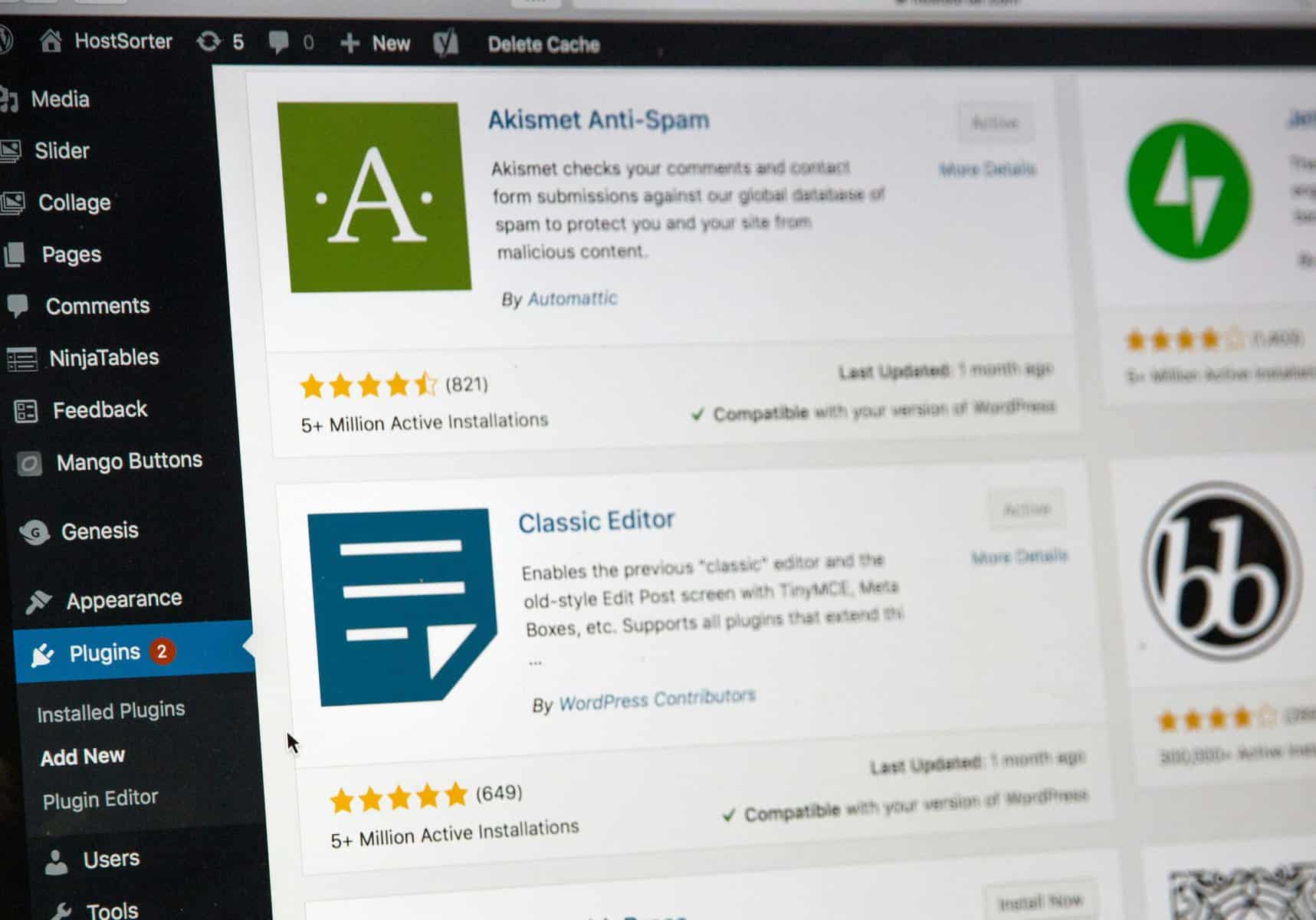
Plugin programs can create steady income because every WordPress site needs more than hosting. The best categories are SEO, speed, forms, memberships, backups, security, and ecommerce.
- Rank Math: Works well for SEO blogs, affiliate site builders, and tutorial content. Comparisons with other SEO plugins can attract high-intent traffic.
- AIOSEO: A familiar SEO plugin with strong appeal for small businesses and bloggers.
- WP Rocket: A high-converting option for speed optimization content. It solves a painful problem fast.
- ShortPixel or Imagify: Good matches for image optimization tutorials, photography sites, and Core Web Vitals guides.
- MemberPress: Strong for creators selling courses, memberships, or private communities.
- Easy Digital Downloads: Useful for sites teaching digital product sales, software sales, templates, or paid downloads.
- LearnDash: A natural fit for course creators, education blogs, and training businesses.
Plugin reviews should include setup time, real screenshots, and before-and-after results. If WP Rocket cuts a test page from 3.8 seconds to 1.9 seconds, that number belongs near the top. Readers care about outcomes, not feature lists.
Email, SEO, and Marketing Programs That Pair With WordPress
Some strong affiliate programs are not WordPress-only, but they work very well with WordPress audiences. Email marketing platforms, keyword tools, analytics tools, and funnel software can all fit bloggers and niche website owners.
- ConvertKit: Often fits creators, newsletter writers, and bloggers building an audience.
- MailerLite: Good for beginners who want a simpler email tool.
- Semrush: Useful for SEO-heavy sites, agencies, and content marketers.
- Surfer SEO: Often promoted by content teams and bloggers focused on ranking articles.
These programs usually work best after a site has built trust. A beginner guide can recommend hosting right away. A $100-per-month SEO tool needs stronger proof, such as a case study, keyword wins, or revenue growth.
How WordPress Publishers Should Choose Programs
A publisher should sort programs by reader intent first, payout second. A food blogger teaching recipe site setup may promote hosting, a recipe card plugin, image compression, and email marketing. A WooCommerce blogger may focus on managed hosting, payment plugins, conversion tools, and security.
- Map the reader problem. Each product should solve a clear issue.
- Check commission rules. Cookie length, payout thresholds, and refund periods matter.
- Test the product when possible. Real use beats generic claims.
- Create content clusters. Reviews, tutorials, comparisons, and alternatives can support each other.
- Update posts quarterly. Pricing, features, and commissions change often.

Content Types That Convert Best
The highest-converting affiliate content usually targets buyers near a decision. Comparison posts, alternatives, setup tutorials, coupons, migration guides, and “best for” roundups can all work. Broad informational posts can still earn, but they may need internal links to money pages.
- Best X for Y: “Best WordPress hosting for photographers.”
- Versus posts: “Elementor vs Divi for small business sites.”
- How-to guides: “How to speed up WordPress with WP Rocket.”
- Case studies: “How a niche site improved load time by 42%.”
- Resource pages: A trusted tools page can earn quietly every month.
Compliance and Trust
Affiliate disclosures are not optional. Publishers should place clear notices near the top of affiliate content. Search engines and readers both reward clarity. Hidden relationships can damage trust fast.
It also helps to mention who should not buy a product. For example, a tiny hobby blog may not need premium managed hosting on day one. That kind of honesty can reduce refunds and increase long-term reader loyalty.
FAQ
What is the best WordPress affiliate program for beginners?
Beginner publishers often start with hosting programs such as Bluehost, SiteGround, or WP Engine because demand is easy to understand. Theme and plugin programs can be added once the site has tutorial content.
Are recurring commissions better than one-time payouts?
Recurring commissions can build steadier income over time. One-time payouts can still be valuable when conversion rates are high, especially in hosting.
How much can a WordPress affiliate site earn?
Earnings vary widely. A small niche site may earn $100 to $1,000 per month, while an established review site can earn much more. Traffic quality matters more than raw visitor count.
Do affiliate links hurt SEO?
Affiliate links do not hurt SEO when used properly. Publishers should use clear disclosures, helpful content, and suitable link attributes such as rel="sponsored" where appropriate.
How often should affiliate content be updated?
Important money pages should be reviewed at least every three months. Pricing, screenshots, features, and commission terms can change quickly.
Which WordPress affiliate category pays the most?
Hosting usually offers the highest upfront payouts. SEO tools, course plugins, membership plugins, and email platforms can also perform well when matched to the right audience.