
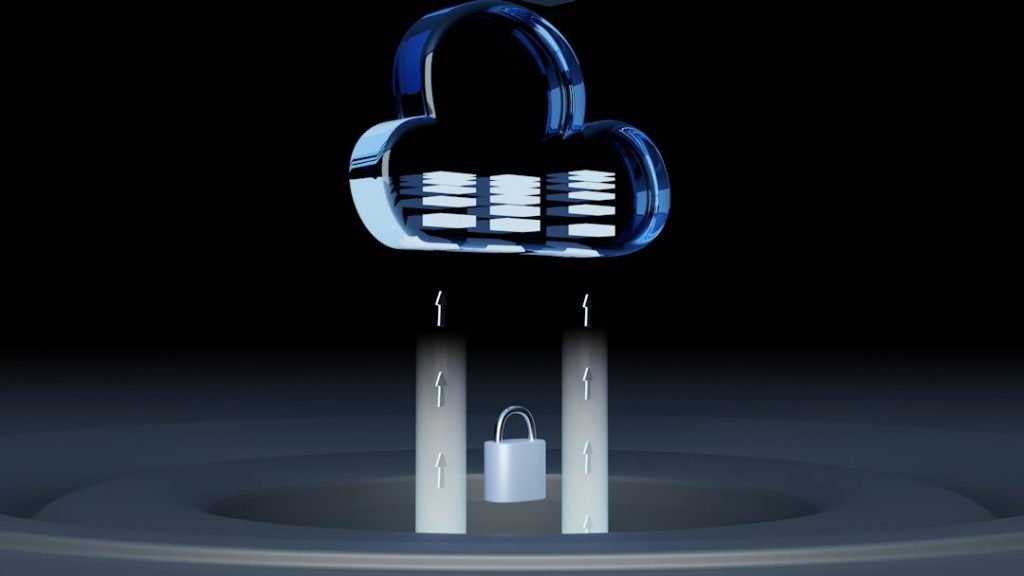
Cloudflare Zero Trust is the best fit for most teams that want broad security controls, Tailscale is best for simple private networking, and Twingate is best for clean app-level access with less user friction. Zero Trust tools matter because stolen passwords, unmanaged devices, and exposed VPNs still cause real damage. IBM reported that the global average cost of a data breach reached $4.88 million in 2024 [source: IBM]. That number makes a serious case for replacing old “trust the network” thinking with identity, device checks, and tighter access rules.
TLDR: Choose Cloudflare Zero Trust if you need a full security platform for web, SaaS, DNS, email, and private apps. Choose Tailscale if your priority is fast, secure access between laptops, servers, and internal services. Choose Twingate if you want to replace a VPN with simple, per-app access rules; for example, a 120-person software company could give engineers access to Git, staging, and databases without exposing the whole network.


What Makes a Strong Zero Trust Platform?
A good Zero Trust platform should do more than ask for a password. It should verify the user, the device, the app, and the request. It should also keep logs that admins can read without needing a week of training.
The best platforms usually include:
- Identity-based access through providers like Okta, Microsoft Entra ID, or Google Workspace.
- Device posture checks for operating system version, encryption, endpoint tools, and certificates.
- Private app access without exposing apps to the public internet.
- Clear audit logs for security reviews and incident response.
- Simple user experience, because users will work around tools that slow them down.
1. Cloudflare Zero Trust
Cloudflare Zero Trust is the strongest all-around option. It combines secure web gateway, Zero Trust Network Access, DNS filtering, remote browser isolation, data loss controls, email security, and CASB features. That makes it a serious choice for companies that want one central control point.
Its biggest strength is scale. Cloudflare already runs a large global network, so remote users often get fast access without needing to connect through a slow central VPN box. Admins can create rules like: allow finance staff to access payroll only from managed devices with MFA enabled. That is exactly the kind of control Zero Trust is meant to provide.
Best for: mid-size and large companies, distributed teams, security teams that want one broad platform, and organizations already using Cloudflare for DNS or web security.
Strengths:
- Wide feature set in one platform.
- Strong global network performance.
- Good fit for web apps, SaaS tools, and private apps.
- Useful policy controls for identity, device, location, and risk.
Weak spots: Setup can feel heavy at first. The dashboard has many options, and some policy choices are easy to miss. The catch is that you may need careful planning before rollout, especially if you are replacing several older tools at once.
2. Tailscale
Tailscale is the cleanest choice for teams that want secure private networking without the pain of a classic VPN. It is built on WireGuard and creates a private mesh network between approved devices. In plain terms, your laptop, server, and internal tools can talk to each other securely without opening ports to the internet.
Tailscale is popular with engineering teams because it is fast to deploy. A small team can often get useful access working in under an hour. The admin model is also easy to understand. You define users, devices, tags, and access control lists.


Best for: developers, IT teams, startups, homelabs, infrastructure teams, and companies that need secure server access.
Strengths:
- Very simple setup compared with many VPN tools.
- Strong device-to-device private networking.
- Good performance due to WireGuard.
- Clear fit for SSH, databases, internal dashboards, and admin tools.
Weak spots: Tailscale is not trying to be a full security suite. It does not replace tools like secure web gateways, CASB, or email security. It drives me crazy that teams sometimes expect it to solve every access problem. It is excellent at private connectivity, but broader security controls may still need other products.
3. Twingate
Twingate is a strong VPN replacement for companies that want app-level access without making users think about networks. It hides private resources from the public internet and grants access only after identity and device checks pass.
The platform is easy for users. They sign in, the client runs quietly, and approved apps work. Admins can set rules at a detailed level. For example, support staff may get access to an internal ticketing tool, while engineers get access to staging services and database tools.
Best for: companies replacing legacy VPNs, teams with mixed technical and non-technical users, and security teams that want precise private app access.
Strengths:
- Simple user experience.
- Strong app-level access policies.
- No need to expose private apps online.
- Good fit for phased VPN replacement.
Weak spots: Twingate is focused on private access. If you need broad internet filtering, browser isolation, or email security, Cloudflare gives you more in one place. Also, expect to spend time mapping resources properly. If your internal apps are messy, the rollout will expose that mess fast.
Which Platform Should You Choose?
- Pick Cloudflare Zero Trust if you want the broadest platform and have a real security program behind it.
- Pick Tailscale if your main need is secure private networking with minimal setup.
- Pick Twingate if you want a clean VPN replacement with strong per-app access control.
For many organizations, the right answer depends on scope. Cloudflare is the security platform play. Tailscale is the fast private network play. Twingate is the practical VPN replacement play.
If you are starting from scratch, run a small pilot first. Test five to ten users. Include one admin, one developer, one finance user, and one non-technical employee. Measure login time, support tickets, blocked access issues, and policy accuracy. A Zero Trust platform should reduce risk, not create daily friction.
Final recommendation: choose Cloudflare Zero Trust for full coverage, Tailscale for simple private networking, and Twingate for secure app access with less user pain. The best platform is the one your team can enforce every day without slowing work to a crawl.