

Businesses across the Blue Ridge region operate in a competitive but opportunity-rich digital environment. From local service providers in mountain towns to tourism brands, healthcare practices, home improvement companies, real estate agencies, restaurants, and regional eCommerce stores, visibility in search results can shape whether a business is discovered or overlooked. Blue Ridge SEO services focus on helping these organizations earn stronger rankings, attract qualified traffic, and convert online visitors into customers through strategic search marketing.
TLDR: Blue Ridge SEO services help local and regional businesses improve visibility in Google, attract nearby customers, and compete more effectively online. A successful strategy usually combines local SEO, technical optimization, content marketing, link building, and paid search. Businesses that invest consistently in search marketing are more likely to generate sustainable traffic, better leads, and long-term brand authority. The strongest results come from strategies tailored to the region, audience behavior, and business goals.
Understanding Blue Ridge SEO Services
Blue Ridge SEO services are designed to improve a company’s presence in organic search results, especially for searches connected to local intent. When a potential customer searches for terms such as “roofing company near Asheville,” “Blue Ridge cabin rentals,” “best restaurant in Roanoke,” or “family dentist in Boone,” search engines evaluate hundreds of ranking factors before deciding which businesses deserve visibility.
A professional SEO strategy helps align a business website with those ranking factors. This includes optimizing website structure, improving page speed, creating useful content, building trust signals, and ensuring that local information is accurate across the web. The objective is not only to get more visitors, but to attract the right visitors: people who are actively searching for what the business offers.
For companies located near the Blue Ridge Mountains, search marketing should reflect both the region’s geography and customer behavior. A tourism company may need seasonal content that targets travelers, while a contractor may need neighborhood-specific service pages. A medical practice may require strong reputation management, while a retail business may benefit from product-focused search campaigns.

Why Local SEO Matters in the Blue Ridge Region
Local SEO is one of the most important parts of search marketing for businesses that serve customers in a defined geographic area. The Blue Ridge region includes many towns and cities where customers often search with location-based intent. They want nearby options, accurate business hours, reviews, directions, and fast answers.
Local SEO typically includes optimizing a company’s Google Business Profile, improving local citations, earning customer reviews, and creating content that references relevant service areas. These activities help a business appear in map results, local packs, and location-specific organic rankings.
Key local SEO actions often include:
- Google Business Profile optimization: Adding accurate categories, business descriptions, photos, services, products, hours, and updates.
- Review generation: Encouraging satisfied customers to leave authentic feedback and responding professionally to all reviews.
- Local citation management: Ensuring the business name, address, and phone number are consistent across directories.
- Location landing pages: Creating useful pages for specific towns, counties, or service areas.
- Local content: Publishing articles that address community needs, regional trends, and seasonal demand.
For example, a landscaping company serving multiple communities along the Blue Ridge Parkway may benefit from dedicated pages for each service area. These pages should not be thin duplicates. Instead, they should include locally relevant details, examples of completed projects, service descriptions, and clear calls to action.
Technical SEO as the Foundation
Before content and links can perform well, a website needs a strong technical foundation. Technical SEO ensures that search engines can crawl, understand, and index a website efficiently. It also supports better user experience, which can influence engagement and conversions.
Important technical SEO elements include:
- Site speed: Pages should load quickly on both desktop and mobile devices.
- Mobile usability: Since many local searches happen on phones, responsive design is essential.
- Clean site architecture: Visitors and search engines should be able to navigate the site easily.
- Schema markup: Structured data can help search engines understand business details, reviews, services, events, and FAQs.
- Secure browsing: HTTPS helps protect users and supports trust.
- Indexing control: Important pages should be indexable, while duplicate or low-value pages should be handled properly.
A technical audit can reveal hidden problems such as broken links, duplicate title tags, missing meta descriptions, crawl errors, oversized images, or poor internal linking. Fixing these issues can create immediate improvements and prepare the site for more advanced search marketing work.
Content Marketing for Search Visibility
Content is central to SEO because it gives search engines and users a reason to visit a website. In the Blue Ridge market, content should be both search-driven and locally meaningful. It should answer customer questions, demonstrate expertise, and guide prospects toward a decision.
Effective content types include service pages, neighborhood pages, blog posts, buying guides, case studies, event content, seasonal articles, and FAQ pages. A real estate company might publish guides to buying mountain property. A tourism business might create articles about weekend itineraries, scenic routes, or family-friendly activities. A law firm might explain legal issues specific to its state or county.
Strong SEO content usually includes:
- Keyword research: Identifying the words and phrases customers actually use.
- Search intent alignment: Matching content to what the searcher wants to accomplish.
- Useful structure: Using headings, lists, short paragraphs, and clear answers.
- Internal links: Connecting related pages to help users and search engines.
- Conversion paths: Including calls to action, contact forms, booking links, or phone numbers.
Quality matters more than quantity. Publishing dozens of generic posts may do little for rankings or conversions. A smaller library of well-researched, locally relevant, and expertly written pages can produce stronger results over time.
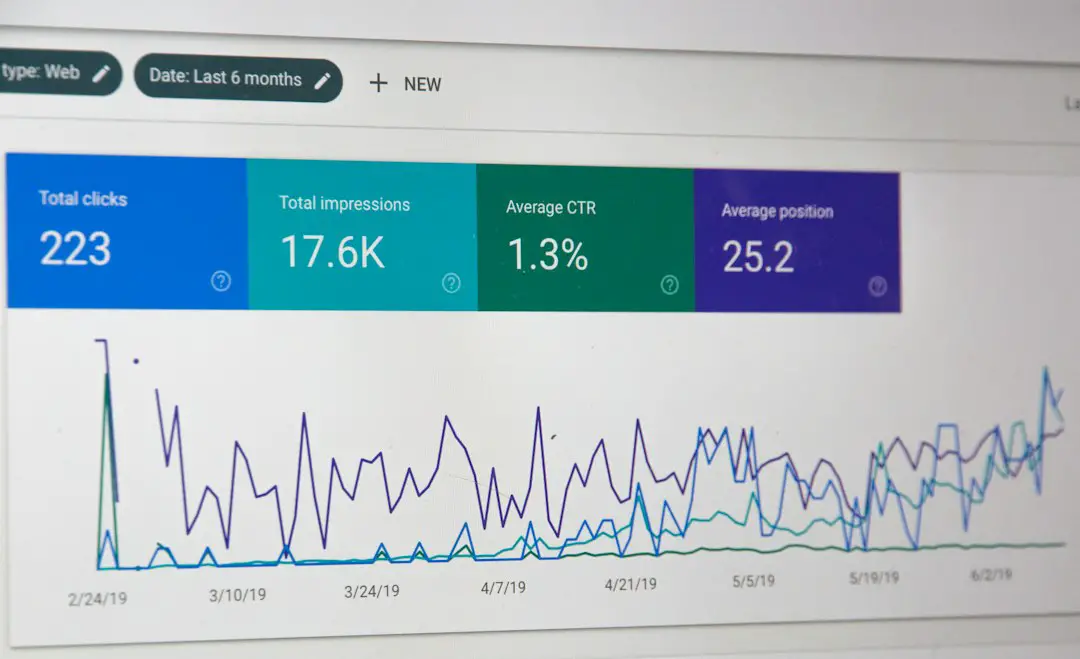
Search Marketing Beyond Organic SEO
While SEO builds long-term visibility, search marketing also includes paid strategies such as Google Ads and Microsoft Advertising. Paid search can place a business at the top of search results almost immediately, which is useful for competitive industries, new websites, seasonal promotions, and urgent lead generation.
A complete Blue Ridge search marketing strategy may combine organic SEO and paid search. SEO can reduce reliance on paid traffic over time, while paid campaigns can generate data about which keywords, messages, and landing pages convert best. That data can then inform organic content decisions.
For example, if a paid campaign shows that “emergency plumber in Lynchburg” produces high-quality leads, the business may create an optimized organic landing page for that topic. Similarly, if a resort finds that “romantic mountain getaway” performs well in ads, it can build supporting blog content and package pages around that theme.
Building Authority With Links and Reputation
Search engines evaluate authority partly through backlinks, which are links from other websites. For Blue Ridge businesses, quality link building may involve local partnerships, sponsorships, chambers of commerce, tourism boards, community events, local news coverage, and industry associations.
The best links are earned through real value. A business can attract links by publishing helpful resources, participating in community initiatives, offering expert commentary, hosting events, or creating unique local guides. Links from trusted regional websites can send both referral traffic and authority signals.
Reputation also plays a major role in search performance and customer decision-making. Positive reviews, testimonials, case studies, and active responses to feedback help build trust. A business with strong rankings but poor reviews may struggle to convert searchers, while a business with both visibility and credibility can gain a significant advantage.
Conversion Optimization and User Experience
Traffic alone does not guarantee business growth. Once visitors arrive on a website, they need a clear and persuasive experience. Conversion rate optimization focuses on turning visitors into leads, calls, bookings, purchases, or appointments.
Important conversion elements include visible phone numbers, simple navigation, strong calls to action, trust badges, reviews, clear service descriptions, high-quality images, and fast contact forms. For mobile users, clickable phone numbers and easy directions can be especially important.
Landing pages should match the visitor’s intent. A person searching for “Blue Ridge wedding venue” should not land on a generic homepage with limited information. They should find details about venue capacity, scenery, packages, availability, photos, testimonials, and a direct inquiry form.

Measuring SEO and Search Marketing Performance
Reliable measurement helps businesses understand what is working and where improvements are needed. SEO is a long-term strategy, but progress should still be tracked through meaningful metrics.
Common performance indicators include:
- Organic traffic: The number of visitors arriving from unpaid search results.
- Keyword rankings: Visibility for target search terms over time.
- Local pack visibility: Performance in map-based search results.
- Leads and conversions: Calls, forms, bookings, purchases, or quote requests.
- Click-through rate: How often searchers click a listing after seeing it.
- Engagement metrics: Time on page, bounce rate, and user behavior.
- Return on investment: Revenue or lead value compared with campaign cost.
Tools such as analytics platforms, search console data, call tracking, rank tracking, and advertising dashboards can help connect search activity to real business outcomes. The goal is not simply to report rankings, but to understand whether search marketing is producing qualified opportunities.
Choosing the Right Blue Ridge SEO Partner
A business considering SEO services should look for a partner that understands both search strategy and regional market dynamics. The right provider should be able to explain recommendations clearly, set realistic expectations, and focus on long-term growth rather than quick tricks.
Important qualities to look for include:
- Transparent process: The provider should explain what work is being done and why.
- Local SEO knowledge: Regional search behavior and service-area targeting should be part of the strategy.
- Technical capability: The provider should be able to identify and resolve website issues.
- Content expertise: The strategy should include useful, audience-focused content.
- Reporting and accountability: Results should be tracked with clear performance metrics.
- Ethical methods: The campaign should avoid spammy links, keyword stuffing, and misleading tactics.
Search marketing works best when it is treated as an ongoing investment. Algorithms change, competitors improve, and customer needs evolve. A strong SEO partner helps a business adapt while continuing to build authority and visibility.
Long-Term Search Marketing Strategy
The most effective Blue Ridge SEO campaigns are not built around isolated tasks. They are built around a clear strategy that connects business goals, audience needs, local relevance, and measurable performance. This may include quarterly content planning, regular technical audits, review campaigns, competitor analysis, paid search testing, and conversion improvements.
Over time, these efforts compound. A business that consistently publishes helpful content, maintains a technically sound website, earns positive reviews, and builds trusted local links can become a dominant presence in its market. In a region where customers often value community trust and local expertise, that visibility can translate into meaningful growth.
Blue Ridge SEO services and search marketing strategies give businesses a practical path to reach customers at the exact moment they are searching. Whether the business serves local residents, tourists, homeowners, patients, diners, or online shoppers, search visibility can become one of its most valuable marketing assets.
FAQ
What are Blue Ridge SEO services?
Blue Ridge SEO services are search optimization strategies designed for businesses operating in or serving the Blue Ridge region. They typically include local SEO, technical website improvements, content creation, link building, reputation management, and performance tracking.
How long does SEO take to show results?
Most businesses begin seeing early movement within a few months, but meaningful results often take three to six months or longer. Competitive industries, new websites, and large service areas may require more time and consistent effort.
Is local SEO important for small businesses?
Yes. Local SEO is especially important for small businesses because it helps them appear when nearby customers search for products or services. Map rankings, reviews, and accurate business listings can directly influence calls, visits, and bookings.
Should a business use SEO or paid search?
Many businesses benefit from using both. SEO builds long-term organic visibility, while paid search can generate faster traffic and test keyword opportunities. Together, they can create a balanced search marketing strategy.
What makes Blue Ridge search marketing different?
Blue Ridge search marketing often requires regional awareness, local keyword targeting, seasonal planning, and content that reflects community interests. Businesses may need to reach residents, tourists, property owners, or visitors depending on their services.
How can a business measure SEO success?
Success can be measured through organic traffic, keyword rankings, map visibility, phone calls, form submissions, bookings, sales, and revenue. The best measurement approach connects search performance to actual business outcomes.