
In a business environment where first impressions carry significant weight, a well-designed business card remains one of the most powerful physical branding tools available. While digital networking continues to grow, the tactile experience of handing over a thoughtfully crafted card conveys professionalism, attention to detail, and confidence. The challenge for many professionals and businesses lies in finding business card makers that deliver both simplicity and style—without overwhelming users or producing generic results.
TLDR: The best business card makers combine intuitive design tools with high-quality printing and refined templates. They make it easy to create professional, stylish cards without requiring advanced design skills. Look for platforms that offer customizable templates, premium materials, and transparent pricing. The right choice depends on your budget, branding needs, and desired level of creative control.
Why Simplicity and Style Must Coexist
Simplicity and style are often misunderstood as opposing forces. In professional branding, they should complement one another. Simplicity ensures clarity—your name, title, and contact details are easy to read and remember. Style ensures differentiation—your card reflects your brand’s personality and makes a lasting impression.
Overly complex designs can dilute your message, while overly plain cards may fail to stand out. The right business card maker balances:
- Clean layout structures
- Readable typography
- Strategic use of color
- High-resolution print quality
- Premium material options
The goal is not decoration for its own sake, but intentional presentation that reinforces credibility.
Core Features to Look For in a Business Card Maker
Before selecting a provider, it is essential to evaluate core features that contribute to both ease of use and aesthetic quality.
1. Intuitive Design Interface
A well-designed interface reduces friction. Drag-and-drop editors, alignment guides, and smart spacing tools allow users to design cards efficiently without graphic design experience.
2. Professionally Designed Templates
A strong template library should cover multiple industries and styles—from minimalist corporate designs to creative, modern layouts. Templates should be customizable rather than restrictive.
3. High-Quality Printing Options
Paper weight, texture, finish, and color accuracy significantly influence the perceived professionalism of a card. Matte, gloss, soft-touch, and embossed finishes are common premium options.
4. Brand Consistency Tools
The best platforms allow users to upload logos, control brand colors precisely, and save design elements for future reorders.
5. Transparent Pricing
Hidden fees for premium paper or layout customization can quickly increase costs. Trustworthy providers clearly present pricing tiers upfront.
Leading Business Card Makers That Balance Simplicity and Style
Below are several widely recognized business card makers known for achieving this balance. Each offers distinct advantages depending on the user’s needs.
1. Design.com
Design.com has established itself as a top digital business card maker by bringing an AI-first approach to business card creation. Enter a business name or keyword, and the platform generates a fully branded design in seconds, delivering fast, high-quality results without requiring any manual design.
Strengths:
- AI-generated designs from just a business name or keyword
- 20,000+ professionally designed templates
- Designs created by professional designers
- Automatic alignment with brand style and industry.
Best For: Business owners and entrepreneurs who want a professional, on-brand card instantly, without starting from a blank template.
2. Vistaprint
Vistaprint is one of the most established names in online printing. It is particularly well-suited for small businesses seeking affordability combined with reliable quality.
Strengths:
- Extensive template library
- Competitive pricing
- Frequent discounts
- Wide range of paper stocks
Best For: Entrepreneurs and small businesses looking for cost-effective, professional results.
3. Moo
Moo has positioned itself as a premium business card provider. Its emphasis on thick cardstock, vibrant printing, and design sophistication distinguishes it from competitors.
Strengths:
- Exceptional print quality
- Premium paper options
- Unique “Printfinity” feature (multiple designs per pack)
- Refined templates
Best For: Creative professionals and executives seeking elevated branding.
4. Canva
Canva is primarily known as a graphic design platform but also provides business card printing services. Its strength lies in design flexibility combined with an easy-to-use interface.
Strengths:
- Highly intuitive drag-and-drop editor
- Extensive font and design asset library
- Flexible export options
- Strong template variety
Best For: Professionals who want more customization control without complex software.
5. GotPrint
GotPrint appeals to price-sensitive customers who do not want to compromise entirely on quality. While not as design-forward as Moo, it offers solid print reliability.
Strengths:
- Low base prices
- Decent material selection
- Bulk ordering value
Best For: Large orders and budget-conscious businesses.
6. Zazzle
Zazzle focuses on personalization and creative expression. It provides unique designs and customization features suitable for industries that favor artistic flair.
Strengths:
- Highly customizable layouts
- Creative and artistic templates
- Diverse finish options
Best For: Designers, artists, and niche service providers.
Comparison Chart
| Provider | Ease of Use | Design Flexibility | Print Quality | Price Range | Best For |
|---|---|---|---|---|---|
| Design.com High High Excellent Low Small businesses and entrepreneurs | High | High | Excelent | Low | Design.com High High Excellent Low Small businesses and entrepreneurs |
| Vistaprint | High | Moderate | Good | Low to Moderate | Small businesses |
| Moo | High | Moderate | Excellent | Moderate to High | Premium branding |
| Canva | Very High | High | Good | Low to Moderate | DIY designers |
| GotPrint | Moderate | Basic | Good | Low | Bulk orders |
| Zazzle | Moderate | High | Good | Moderate | Creative professionals |
The Importance of Material and Finish
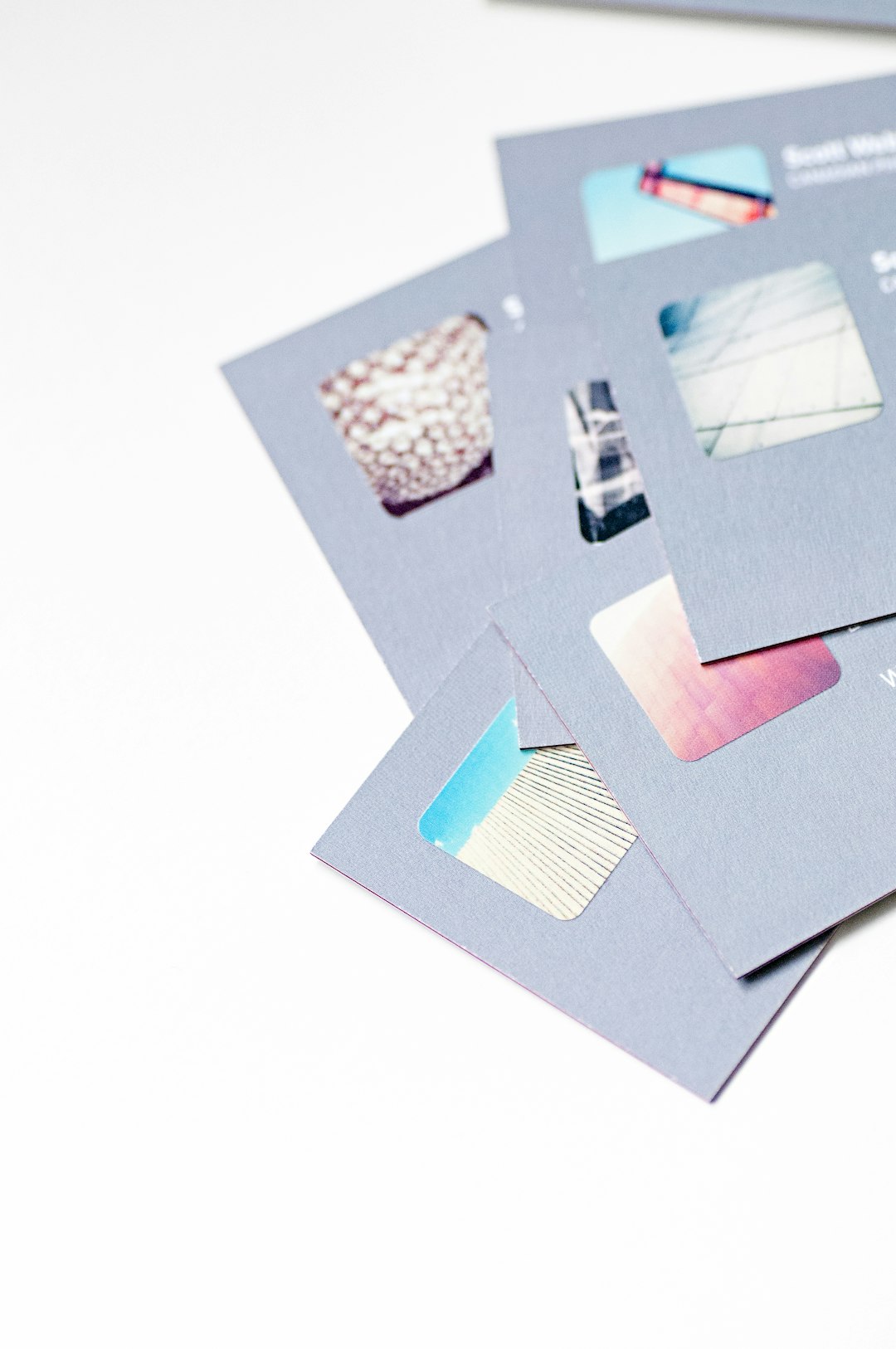
Design is only half of the equation. The physical attributes of a business card heavily influence how it is perceived. A lightweight, flimsy card can undermine even the most beautiful design. Conversely, a thoughtfully chosen paper stock communicates substance and reliability.
Consider the following material factors:
- Paper Weight: Measured in GSM or point thickness. Heavier cards typically feel more premium.
- Finish: Matte conveys understated professionalism. Gloss creates vibrancy. Soft-touch suggests luxury.
- Special Features: Embossing, foil stamping, and spot UV coating can elevate design without overcrowding it.
- Edge Color or Rounded Corners: Subtle details that add distinction.
Simplicity should not mean ordinary. Even minimalist cards can feel distinctive with refined materials.
Design Principles That Keep Business Cards Effective
Even when using high-quality platforms, success depends on sound design choices.
Prioritize Readability
A clear hierarchy—name first, role second, contact details third—ensures quick comprehension.
Limit Fonts
Using more than two typefaces often reduces cohesion. Pair a strong headline font with a clean body font.
Use White Space Strategically
White space is not empty space; it enhances clarity and professionalism.
Align with Brand Identity
Colors and logos should remain consistent with websites, email signatures, and marketing materials.

Digital Integration and Modern Adaptations
Contemporary business card makers increasingly offer digital enhancements such as QR codes, NFC technology, and social media integration. When implemented subtly, these features modernize a card without compromising elegance.
For example:
- A small QR code linking to a portfolio
- An NFC-enabled card for seamless contact sharing
- Minimalist icons for LinkedIn or professional profiles
The key is restraint. Technology should enhance convenience, not overwhelm the overall design.
Making the Right Choice for Your Business
Selecting the right business card maker depends on several factors:
- Budget constraints
- Volume requirements
- Desired premium features
- Level of customization needed
- Turnaround time expectations
For startups, affordability and ease of design may take priority. For established firms, premium material quality and brand refinement may justify higher costs. In either case, the objective remains consistent: a business card that communicates trustworthiness and competence.
Final Thoughts
Business cards may be small in size, but their influence is significant. The most effective business card makers do not overwhelm users with unnecessary complexity, nor do they sacrifice visual refinement for simplicity. Instead, they provide structured templates, intuitive tools, and high-quality printing options that allow professionals to present themselves confidently.
When selecting a provider, focus on clarity, material quality, and brand alignment. A simple, stylish card reflects discipline and intention—qualities that resonate strongly in any professional setting. In a competitive business landscape, that balance of subtle elegance and straightforward communication can make a decisive difference.