
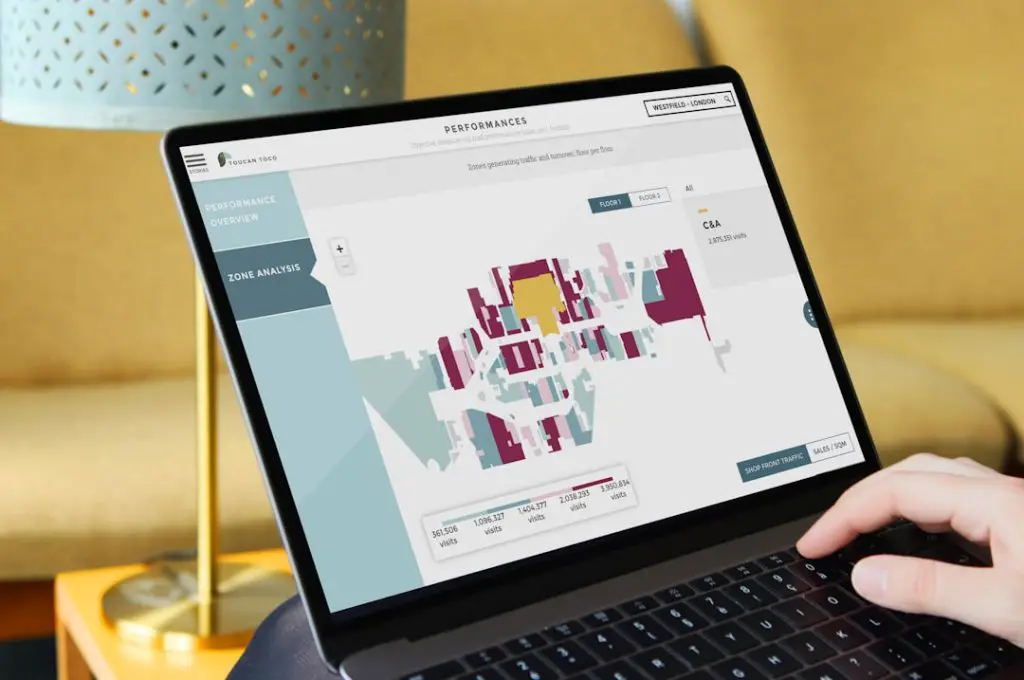
Bathroom design used to be a puzzle of graph paper, tape measures, showroom visits, and a fair amount of guesswork. Today, artificial intelligence can generate floor plans, suggest fixture placements, visualize finishes, and even create realistic renderings in minutes. But that raises an important question for homeowners, renovators, and property professionals: can an AI bathroom design tool really create layouts that look professional, or is it simply a shortcut for rough inspiration?
TLDR: Yes, an AI bathroom design tool can create professional-looking layouts, especially for visual planning, inspiration, and early-stage renovation decisions. The best results come when the tool is given accurate measurements, clear style preferences, and practical constraints such as plumbing locations and door swings. However, AI should be treated as a powerful design assistant rather than a full replacement for licensed contractors, interior designers, or building code experts.
What Does “Professional-Looking” Really Mean?
A professional-looking bathroom layout is not only attractive. It also feels balanced, functions well, uses space efficiently, and makes practical sense. A room can have beautiful tiles and stylish lighting but still fail if the toilet is too close to the vanity, the shower door hits the towel rail, or there is nowhere to store toiletries.
In bathroom design, professionalism usually comes down to a few core qualities:
- Good space planning: Fixtures are positioned for comfort, movement, and accessibility.
- Visual balance: Materials, colors, lighting, and shapes feel coordinated rather than random.
- Practical function: Storage, ventilation, cleaning access, and water usage are considered.
- Buildability: The layout can realistically be installed with existing plumbing, structural limits, and budget.
- Code awareness: Clearances, electrical safety, waterproofing, and ventilation are not ignored.
Modern AI design tools can address many of these areas, particularly the visual and spatial ones. They excel at turning ideas into quick, polished concepts, which is often the hardest part for homeowners who know they want a better bathroom but cannot picture the final result.
How AI Bathroom Design Tools Work
Most AI bathroom design platforms begin with user input. You may upload a photo of your current bathroom, enter room dimensions, choose a preferred style, or select the type of renovation you are considering. The AI then analyzes the space and produces design options based on patterns learned from thousands or millions of interiors.
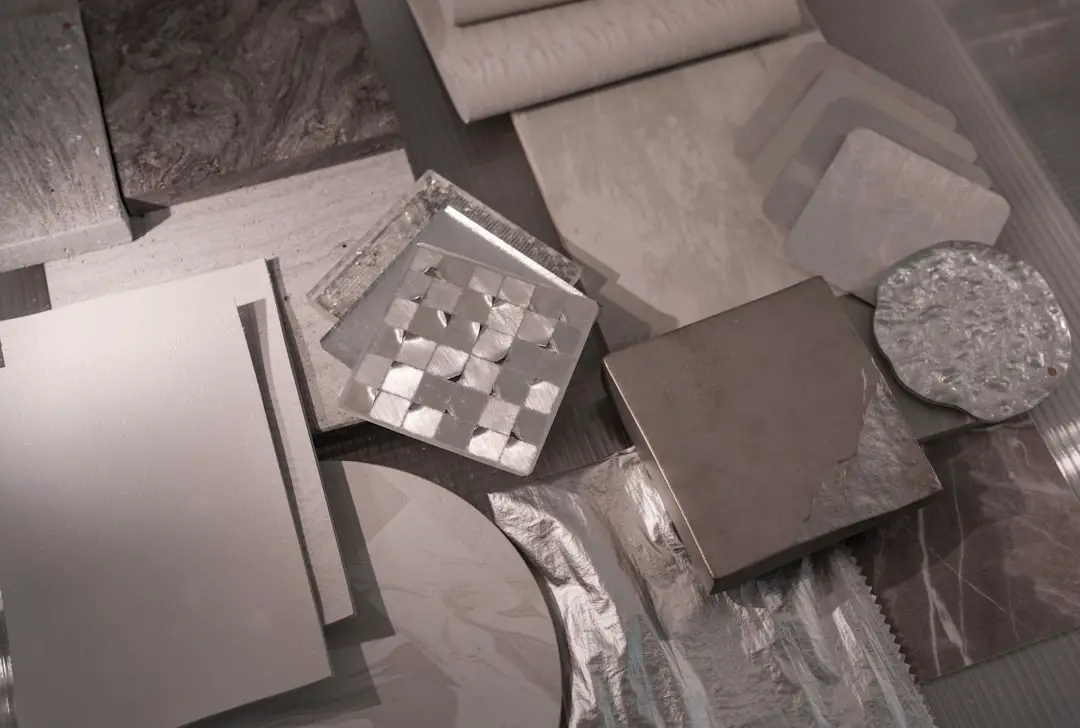
Some tools focus mainly on visual transformation. They keep your current bathroom layout but change the style, showing how it might look with marble walls, matte black fixtures, oak cabinetry, or warm minimal lighting. Others go deeper, allowing you to move fixtures, create 2D floor plans, generate 3D views, or test multiple layout variations.

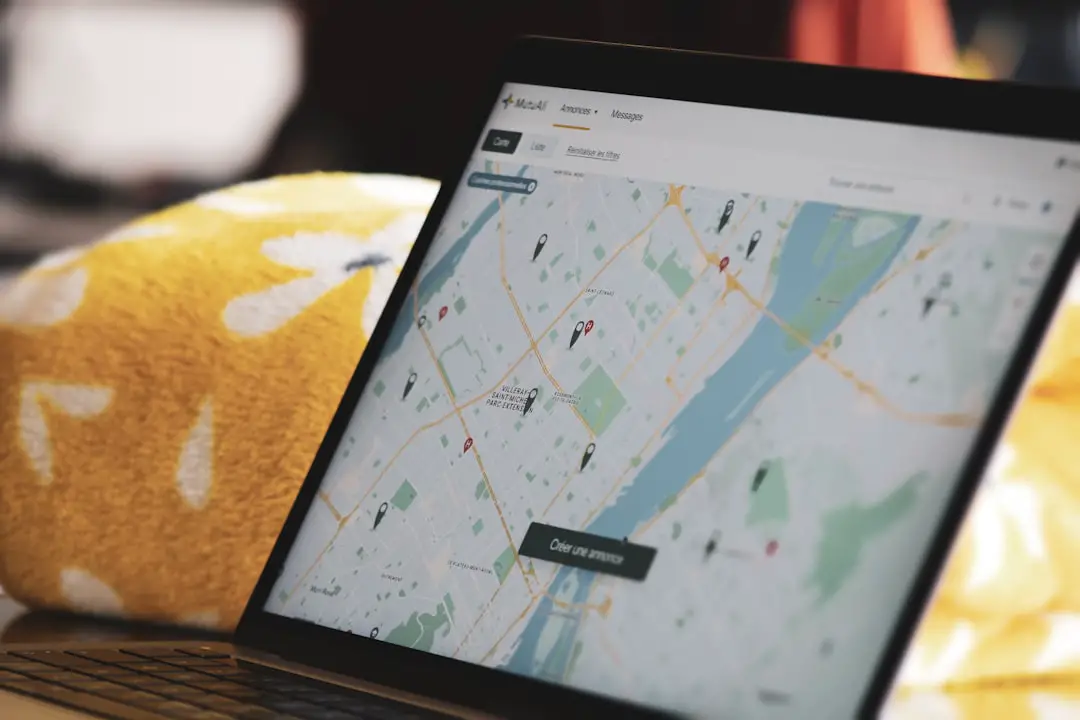
The most advanced tools can make suggestions such as placing a floating vanity to increase visible floor area, replacing a bathtub with a walk-in shower, or using a wall-mounted toilet to create a cleaner look. While these recommendations can be impressive, they depend heavily on the accuracy of the information you provide.
Where AI Excels in Bathroom Layout Design
AI is particularly strong when it comes to speed, visualization, and idea generation. Instead of spending days collecting inspiration images and trying to imagine how they apply to your own space, you can generate several design directions almost instantly.
1. Rapid Concept Development
One of AI’s biggest advantages is that it can create multiple layout or style options in a short amount of time. You might compare a compact Scandinavian bathroom, a dramatic hotel-style ensuite, and a calm spa-inspired layout in the same afternoon. This can help you clarify what you actually like before speaking with a contractor or designer.
2. Better Use of Small Spaces
Bathrooms are often among the smallest rooms in a home, which makes every inch matter. AI tools can suggest space-saving ideas such as corner sinks, recessed storage, pocket doors, narrow vanities, wall niches, or glass shower screens. These ideas are not automatically perfect, but they can open up possibilities that a homeowner might not have considered.
3. Realistic Visual Previews
Many people struggle to translate a floor plan into a mental image. AI-generated renderings can bridge that gap by showing how a room might look with specific colors, surfaces, and lighting. This is especially useful for major decisions like choosing between light and dark tile, a freestanding tub or built-in bath, or brass versus chrome fixtures.
4. Style Consistency
A common DIY design problem is mixing too many styles. AI can help maintain consistency by recommending complementary materials and finishes. For example, if you select a Japandi style, the tool may suggest soft neutrals, natural wood, simple lines, and minimal accessories. If you choose an industrial style, it may propose concrete textures, black frames, and exposed-style lighting.
Can AI Understand Real Bathroom Constraints?
This is where the answer becomes more nuanced. AI can produce a bathroom layout that looks professional, but real bathrooms must obey practical constraints that may not be obvious in a rendering.
Plumbing is one of the biggest factors. Moving a toilet across the room is very different from changing the vanity color. Drains, soil pipes, water supply lines, floor joists, wall cavities, and ventilation routes all influence what is feasible. Some AI tools may suggest moving fixtures freely, but a plumber may later explain that the proposed layout is expensive, difficult, or impossible without major construction.
Clearances are another issue. A professional bathroom layout needs comfortable distances around the toilet, vanity, shower, and door. The design should account for how cabinet drawers open, how people stand at the sink, and whether a shower screen allows easy entry. AI can estimate these details if dimensions are entered correctly, but it may fail if the room is measured inaccurately or if the tool is primarily visual rather than technical.
In short: AI can understand constraints when they are built into the software and supplied by the user, but it does not automatically know everything about your home.
Professional Appearance vs. Professional Documentation
There is an important difference between a layout that looks professional and a complete professional design package. AI can often produce attractive images, mood boards, and preliminary plans. However, a professional renovation may require technical drawings, waterproofing specifications, electrical plans, ventilation calculations, and compliance checks.

For a simple cosmetic update, AI output may be enough to guide decisions about style and product selection. For a full remodel involving plumbing relocation, structural changes, or electrical work, AI should be considered a starting point. A licensed professional should review the final plan before construction begins.
What Makes an AI-Generated Layout Look High-End?
The best AI bathroom layouts often share the same principles used by human designers. They do not simply fill the room with expensive products; they create harmony and purpose.
- Clear focal point: A feature wall, sculptural tub, large mirror, or elegant vanity gives the room visual direction.
- Layered lighting: Good bathrooms use more than one light source, such as ceiling lights, mirror lighting, and accent lighting.
- Controlled material palette: Two or three main materials usually look more refined than five competing finishes.
- Hidden storage: Recessed cabinets, vanity drawers, and built-in niches reduce clutter.
- Thoughtful proportions: The size of the tiles, mirror, vanity, and fixtures should suit the scale of the room.
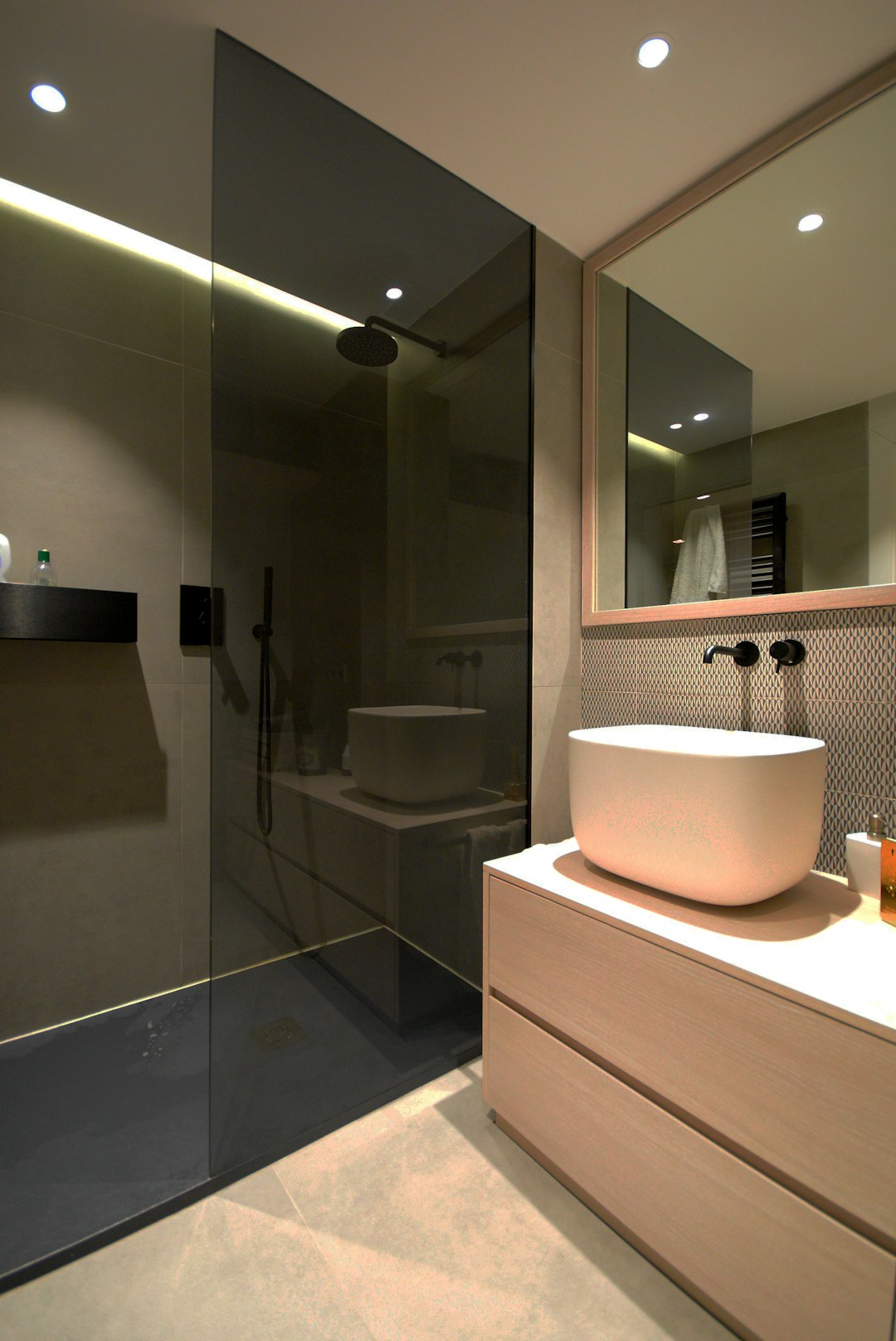
AI can combine these elements convincingly, especially when prompted with clear style direction. For example, asking for a “luxury spa bathroom with warm stone, floating oak vanity, frameless shower, soft lighting, and concealed storage” will usually produce more coherent results than simply asking for a “nice bathroom.”
How to Get Better Results from an AI Bathroom Design Tool
The quality of the output depends heavily on the quality of your input. Treat the AI like a design assistant that needs a precise brief.
- Measure carefully: Include wall lengths, ceiling height, window placement, door swing, and current fixture locations.
- Describe your priorities: Mention whether you need more storage, a larger shower, child-friendly features, aging-in-place access, or easier cleaning.
- Set a style direction: Use specific words such as coastal, contemporary, traditional, minimalist, rustic, spa inspired, or mid century.
- Include constraints: State if the toilet must stay in place, if the budget is limited, or if you cannot move walls.
- Generate several options: Do not accept the first design. Compare multiple versions and look for repeated strengths.
- Check the details: Review clearances, storage, lighting, ventilation, and maintenance before committing.
Good prompting can make the difference between a generic bathroom image and a layout that feels tailored, functional, and visually polished.
Limitations You Should Not Ignore
AI can be surprisingly creative, but it can also be confidently wrong. It may show a shower with no visible drain, a vanity that blocks a doorway, a mirror placed over a window, or lighting that looks beautiful but would not meet electrical safety requirements. It may also underestimate costs by suggesting premium finishes or complex installation details.
Another limitation is that AI does not truly experience the room. A human designer can notice that a family needs hooks for children’s towels, that a window causes privacy concerns, or that the morning routine requires two people to use the vanity at once. AI can respond to those needs if you describe them, but it may not ask the right questions on its own.
There is also the issue of product availability. A rendering may show a beautiful vanity or tile that does not exist as a purchasable item. You may need to find real-world alternatives that match the look, size, and price point.
When AI Is Enough and When to Call a Professional
An AI bathroom design tool may be enough if you are planning a surface-level refresh: new paint, tiles, vanity, mirror, fittings, lighting style, or decor. It can help you visualize combinations and avoid mismatched choices. It is also useful for preparing a design brief before visiting showrooms or asking for renovation quotes.
However, you should involve a professional if your project includes:
- Moving toilets, showers, tubs, or major plumbing lines
- Changing walls, windows, or structural elements
- Installing new electrical circuits, heated floors, or complex lighting
- Waterproofing a wet room or walk-in shower
- Designing for accessibility or aging in place
- Working in apartments, historic homes, or spaces with strict building rules

In these cases, AI can still be extremely useful. It helps you communicate your vision more clearly, reduce design uncertainty, and compare possibilities before paying for detailed plans. But the final layout should be checked by someone who understands construction, regulations, and long-term durability.
The Future of AI in Bathroom Design
AI bathroom design is evolving quickly. Future tools will likely become better at reading floor plans, detecting plumbing locations, estimating renovation costs, recommending real products, and checking local code requirements. Some may integrate augmented reality, allowing users to stand in their bathroom and preview a redesigned space through a phone or headset.
As these tools improve, the line between amateur visualization and professional planning will become thinner. Designers may use AI to speed up concept work, while homeowners may use it to become more informed clients. Rather than replacing creativity, AI may shift the design process toward faster exploration and better collaboration.
Final Verdict: Can AI Create Professional-Looking Bathroom Layouts?
Yes, an AI bathroom design tool can absolutely create professional-looking bathroom layouts. It can generate stylish concepts, improve visual planning, suggest smart space-saving ideas, and help you understand what is possible before committing to a renovation. For many homeowners, it turns a confusing project into a more organized and inspiring process.
Still, professional-looking does not always mean professionally verified. The most successful approach is to use AI for inspiration, layout exploration, and visual direction, then confirm the technical details with qualified tradespeople or designers. When used this way, AI becomes more than a novelty; it becomes a practical design partner that can help transform a bathroom from ordinary to thoughtfully planned, beautiful, and highly functional.