
Make digital tools serve the trial, not the other way around. That is the big rule for clinical research now. The best teams pick tools that save time, protect patients, and make data cleaner.
TLDR: Clinical research is getting faster, more remote, and more data rich. Tools like electronic consent, wearables, AI, and virtual visits can cut delays and reduce missing data. For example, a diabetes study using connected glucose monitors might collect 288 readings per patient per day instead of one clinic reading per month. One sponsor reported a 22% drop in missed visits after adding text reminders and home check-ins.
The trial is no longer stuck in the clinic
Clinical research used to mean lots of clipboards. Lots of waiting rooms. Lots of binders. And yes, lots of coffee that tasted like regret.
Now, much of the work can happen on a phone, tablet, smartwatch, or home device. Patients can sign forms online. They can report symptoms in an app. They can have a video visit from their couch. This is not just “cool tech.” It can make studies easier to join and easier to finish.
The goal is simple. Get better data with less burden. Patients should not need to take three buses and miss work just to answer five questions.
Trend 1: Decentralized and hybrid trials
A decentralized trial uses remote tools. A hybrid trial mixes remote steps with site visits. This model is growing because it solves a real problem. Many patients live far from study sites.
Hybrid designs can include:
- Video visits for simple check-ins.
- Home nursing for blood draws or drug delivery.
- Wearables for heart rate, sleep, activity, or movement.
- Mobile apps for diaries and symptom reports.
- Local labs instead of one central hospital visit.
This can improve recruitment. It can also help keep people enrolled. If a study is easier, people are less likely to quit. Shocking, right?
The catch is that remote does not mean simple. Someone still needs to train patients. Devices need batteries. Apps need passwords. Data needs review. If the system is clunky, patients will drop it fast.
Trend 2: Real world data is getting serious
Real world data comes from normal healthcare life. It can include electronic health records, insurance claims, pharmacy records, registries, labs, and devices.
Researchers use it to answer questions like:
- Who is most likely to benefit from a treatment?
- What side effects show up after approval?
- How does a drug work outside a strict trial group?
- Are patients taking medicine as planned?
This data is useful because it is broad. It includes older adults, people with several conditions, and patients who may not fit classic trial rules. That matters. Real patients are messy. Medicine has to work in that messy world.
Still, real world data can be noisy. Codes may be wrong. Records may be missing. One hospital may name a test one way. Another may name it something else. Cleaning that data is not glamorous. It is vital.
Trend 3: AI is the helpful intern, not the boss
AI is showing up all over clinical research. It can scan records for possible participants. It can flag odd data. It can help write first drafts of documents. It can sort adverse event reports. It can find patterns in giant data sets.
That sounds magical. It is not. AI can be wrong with great confidence. That is a fun little nightmare.
Smart teams use AI for support, not final decisions. A human still checks the work. A clinician still reviews safety signals. A data manager still confirms strange values. AI can speed things up, but it should not drive blindfolded.
Good uses of AI include:
- Patient matching based on trial criteria.
- Risk scoring to spot sites that need help.
- Data review to catch missing or strange entries.
- Document search across protocols and reports.
- Translation support for patient materials.

Trend 4: Patient experience is finally getting attention
Clinical trials often ask a lot from patients. Travel. Time. Forms. Tests. Calls. More forms. Then another login because of course there is another login.
It drives me crazy that some trial apps make a two-minute diary take eight minutes because the screen freezes after each answer. That is not patient friendly. That is patience testing.
Better digital research puts the patient first. This means plain language. Large buttons. Fewer clicks. Text reminders. Flexible visit options. Clear consent forms. Fast support when something breaks.
Patient-friendly tools can improve data too. If a symptom survey is easy, patients complete it. If a wearable is comfortable, they keep it on. If reminders are polite and timely, visits are less likely to be missed.
Key tools to watch
Here are the tools changing daily study work.
- Electronic consent: Patients can read, watch, ask, and sign online. Good systems track versions and confirm understanding.
- Electronic data capture: Study data moves from paper to digital forms. Built-in checks can catch errors right away.
- ePRO tools: Patients report outcomes like pain, fatigue, mood, or symptoms from their own device.
- Wearables and sensors: These collect movement, pulse, sleep, glucose, or breathing patterns.
- Remote monitoring: Sponsors and monitors can review site data without constant travel.
- Telehealth: Some study visits move to secure video calls.
- Clinical trial management systems: These track budgets, milestones, sites, and tasks.
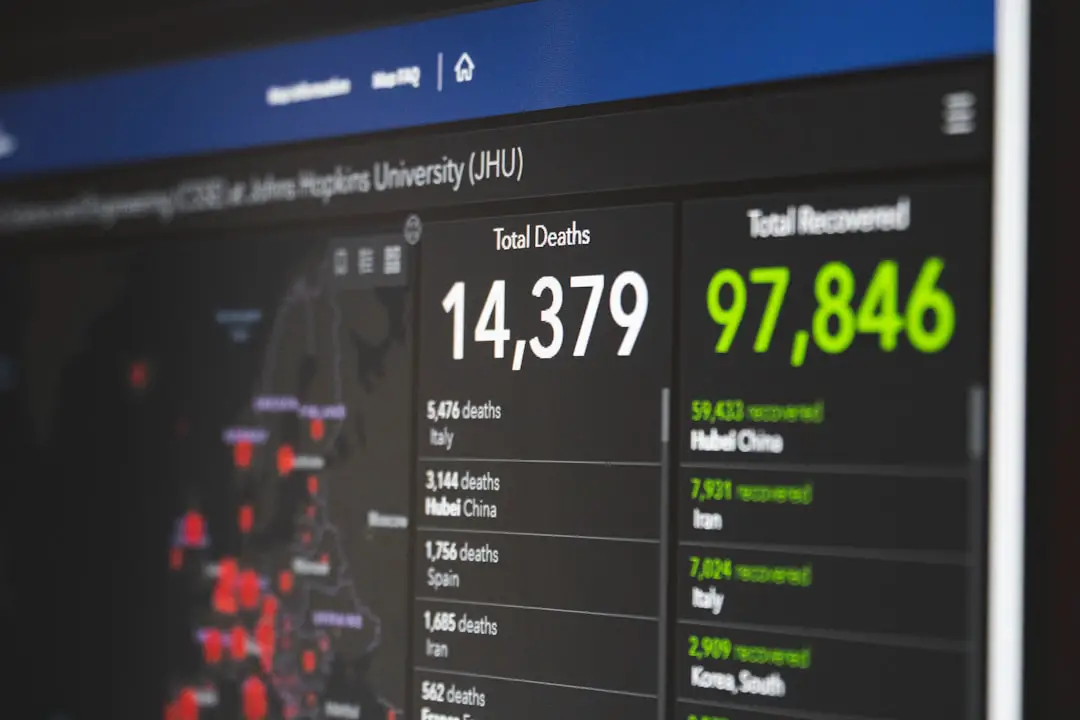
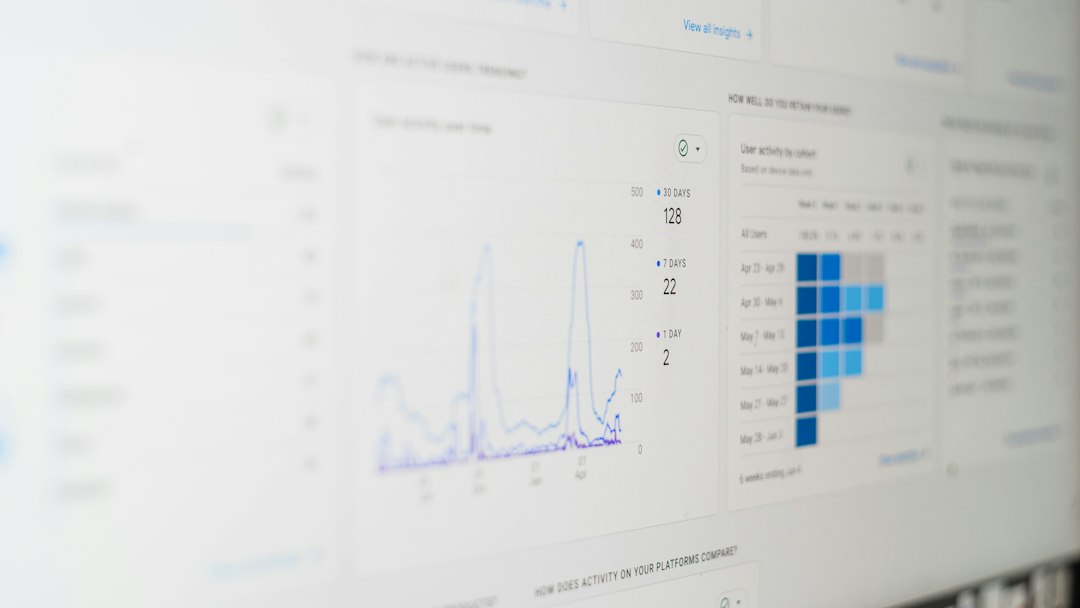
- Data dashboards: Teams see recruitment, safety, and quality signals in near real time.
The best tools connect well. The worst tools create copy and paste marathons. Expect to waste time on setup if systems do not talk to each other. That cost hides in plain sight.
Strategies that actually help
Buying software is not a strategy. It is a receipt. A strong digital trial needs planning.
- Start with the patient journey. Map every step. Then remove steps that add pain but no value.
- Pick fewer tools. One clean system beats five shiny ones that fight each other.
- Test with real users. Ask patients and site staff to try the workflow before launch.
- Train in small chunks. Short videos and quick guides beat giant manuals.
- Plan for tech failure. Have a backup for lost phones, dead devices, weak Wi-Fi, and missed uploads.
- Protect privacy early. Build security, consent, and access rules before data starts flowing.
- Watch the metrics. Track missing data, visit completion, app use, query rates, and dropout risk.

What sponsors and sites should measure
Digital tools should earn their place. Measure them. Do not guess.
- Recruitment speed: How many patients enroll per site per month?
- Screen failure rate: Are the right patients being reached?
- Dropout rate: Are people leaving because the study is too hard?
- Missing data: Which forms or devices fail most often?
- Query volume: Are digital checks reducing errors?
- Patient satisfaction: Would participants join another study?
- Site workload: Did the tool save time or just move work around?
A simple example helps. If an ePRO app raises diary completion from 68% to 91%, that is a win. If it also adds 30 support calls per week, the team needs to fix the design or training.
The future is practical, not flashy
The winners in digital clinical research will not be the teams with the most gadgets. They will be the teams that make trials easier, safer, and cleaner.
Expect more home data collection. Expect smarter screening. Expect faster safety review. Expect patients to demand better tools, because they compare trial apps with the apps they use every day.
The best digital trial feels simple. The science stays strong. The patient feels respected. The site staff does not want to throw the tablet into a drawer. That is the sweet spot.
Clinical research in the digital age is not about replacing people. It is about giving people better tools. When done well, it means less friction, better evidence, and more patients who can take part without turning their lives upside down.