

Choose Brandwatch for deep social intelligence, Meltwater for earned media and PR measurement, and Sprout Social for teams that need social publishing plus practical listening in one place. The right choice depends less on feature count and more on who will use the data each week: analysts, communications teams, or social media managers.
TLDR: Brandwatch is strongest when a company needs advanced consumer research, audience segmentation, and high-volume social listening. Meltwater is better for PR teams that care about press coverage, journalist relationships, and executive reporting across media channels. Sprout Social works best for social teams that want to publish, respond, and measure performance without living inside complex query builders. For example, a retail brand tracking 52,000 monthly mentions and 480 press articles may use Brandwatch for sentiment shifts, Meltwater for media impact, and Sprout Social for daily social engagement.
Quick comparison
| Platform | Best fit | Main strength | Common drawback |
|---|---|---|---|
| Brandwatch | Insight, research, and strategy teams | Advanced social listening and audience analysis | Can feel heavy for non-analysts |
| Meltwater | PR and communications teams | Media monitoring and earned media reporting | Social intelligence may feel less deep than specialist tools |
| Sprout Social | Social media and customer care teams | Publishing, engagement, and reporting | Enterprise listening depth may require add-ons |

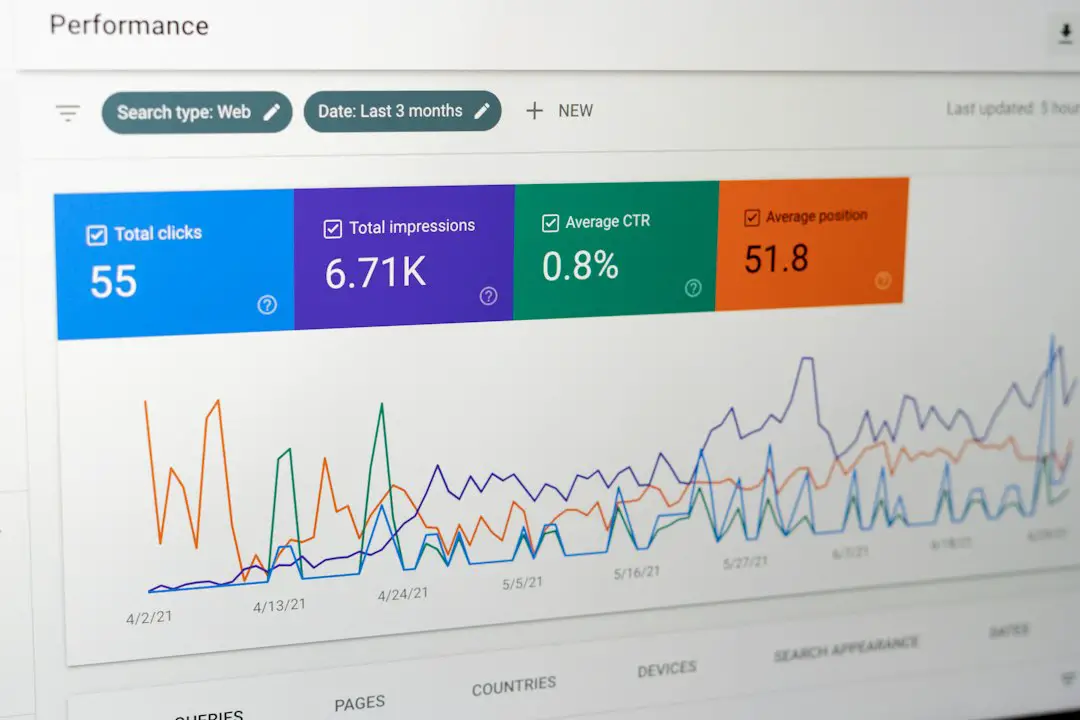
Brandwatch: strongest for serious social intelligence
Brandwatch is the most research-oriented option of the three. It is built for teams that need to understand what people say, who says it, why it spreads, and how sentiment changes over time. It suits consumer brands, agencies, market researchers, and corporate strategy teams.
Its strength is query depth. Analysts can create detailed searches around topics, competitors, product launches, campaign names, sentiment drivers, and audience traits. This matters when a brand needs clean signal from noisy public conversation. For example, a skincare company can separate mentions of “sensitive skin” from generic product chatter, then compare complaints by region, ingredient, and influencer source.
Brandwatch is especially useful for:
- Social listening at scale
- Audience segments and interest mapping
- Campaign and competitor tracking
- Trend discovery and topic clustering
- Executive dashboards for market insight
The downside is usability. It can take time to build strong queries, validate sentiment, and train stakeholders to read the data correctly. Expect to waste time on setup if your team has no dedicated analyst. That is not a minor issue. A weak query can produce misleading results, even when the platform itself is strong.
Best match: a company that treats social data as business intelligence, not just marketing reporting.
Meltwater: strongest for PR and earned media visibility
Meltwater is often the better choice for communications teams that care about online news, broadcast, print, journalist contacts, and brand reputation. It covers social data too, but its center of gravity is media intelligence.
For PR teams, that focus matters. A campaign may generate 750 social mentions, but one national newspaper feature can matter more to leadership. Meltwater helps connect coverage volume, source quality, reach, sentiment, and message pull-through. It also supports journalist research and outreach, which Brandwatch and Sprout Social do not handle in the same way.
Meltwater is well suited for:
- Press monitoring and coverage tracking
- Share of voice in news media
- Journalist and outlet research
- Reputation monitoring
- PR reports for executives and clients
Honestly, it feels like Meltwater can ask social teams to accept a trade-off. Media reporting is strong, but social listening workflows may not feel as flexible as a specialist social intelligence platform. Teams focused on TikTok comments, Reddit threads, influencer networks, or niche consumer conversations may want to test carefully before committing.
Best match: a PR department that needs to prove coverage quality, not only count clips.

Sprout Social: strongest for daily social operations
Sprout Social is the most accessible tool here for daily social media work. It combines publishing, inbox management, approvals, reporting, and listening features. That makes it attractive to teams that do not want one platform for posting, another for messages, and another for reporting.
Sprout’s biggest advantage is adoption. Social managers can schedule content, reply to messages, tag customer issues, track engagement, and report performance with less training. The interface is clean. Reports are easy to share. Managers can see what happened without needing an analyst beside them.
Sprout Social is strongest for:
- Content scheduling and approvals
- Social inbox and community management
- Performance reporting by profile and campaign
- Team workflows and response management
- Basic to mid-level listening and trend tracking
The limitation is depth. Sprout can support listening, but companies with complex research needs may outgrow it. If a team needs granular Boolean queries, deep historical analysis, or extensive competitive conversation mapping, Brandwatch is usually stronger.
Best match: a social team that needs speed, consistency, and usable reporting more than research-grade analysis.
Use case: launch monitoring for a consumer brand
Consider a beverage brand launching a new product in three markets. During the first 30 days, it tracks 64,000 social mentions, 310 online articles, and 18,500 inbound comments or direct messages.
- Brandwatch identifies that 27% of negative conversation is tied to price, while 19% mentions taste compared with a leading competitor.
- Meltwater shows that 42% of earned media reach came from just six food and lifestyle outlets.
- Sprout Social helps the brand cut average response time from 9 hours to 3.5 hours by routing messages to the right people.
This example shows the core split. Brandwatch explains market reaction. Meltwater proves media impact. Sprout Social helps the team act on social channels every day.
Data quality and reporting
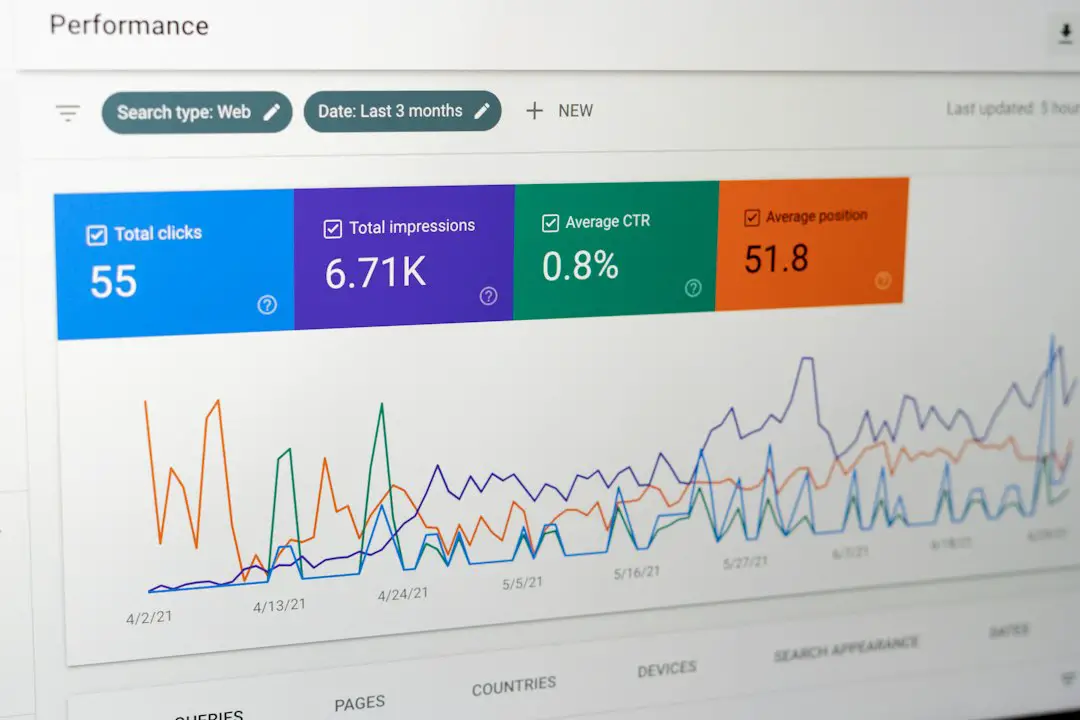
All three platforms can produce reports, but the quality depends on the question being asked. Brandwatch is strongest when the question is, “What does the market think, and how is that changing?” Meltwater is strongest when the question is, “Where did we earn coverage, and did it affect reputation?” Sprout Social is strongest when the question is, “How did our social channels perform, and how fast did we respond?”
Sentiment analysis also needs caution. Automated sentiment can misread sarcasm, slang, and mixed opinions. A post saying “this phone battery is sick” may be positive or negative depending on context. Serious teams should audit samples manually, especially for executive reports.
Pricing and procurement
Brandwatch and Meltwater are commonly sold through custom pricing, especially for larger companies. Costs may depend on data volume, users, markets, sources, support, and modules. Sprout Social is more transparent for standard social management plans, although advanced listening and enterprise needs can change the final price.
Do not compare quote totals alone. Compare the full operating cost. Include training, setup, analyst time, integrations, dashboard maintenance, and renewal terms. A lower license fee can become expensive if the team cannot use the system well.
Final recommendation
Pick Brandwatch if your main goal is advanced social listening, consumer research, and competitive intelligence. Pick Meltwater if your main goal is media monitoring, PR measurement, and reputation reporting. Pick Sprout Social if your main goal is social publishing, engagement, and practical reporting for daily use.
For large brands, the answer may not be one platform. Many use Sprout Social for social operations and either Brandwatch or Meltwater for higher-level intelligence. That may sound less tidy, but it is often more realistic. The best tool is the one that matches the team’s actual work, not the longest feature list.