
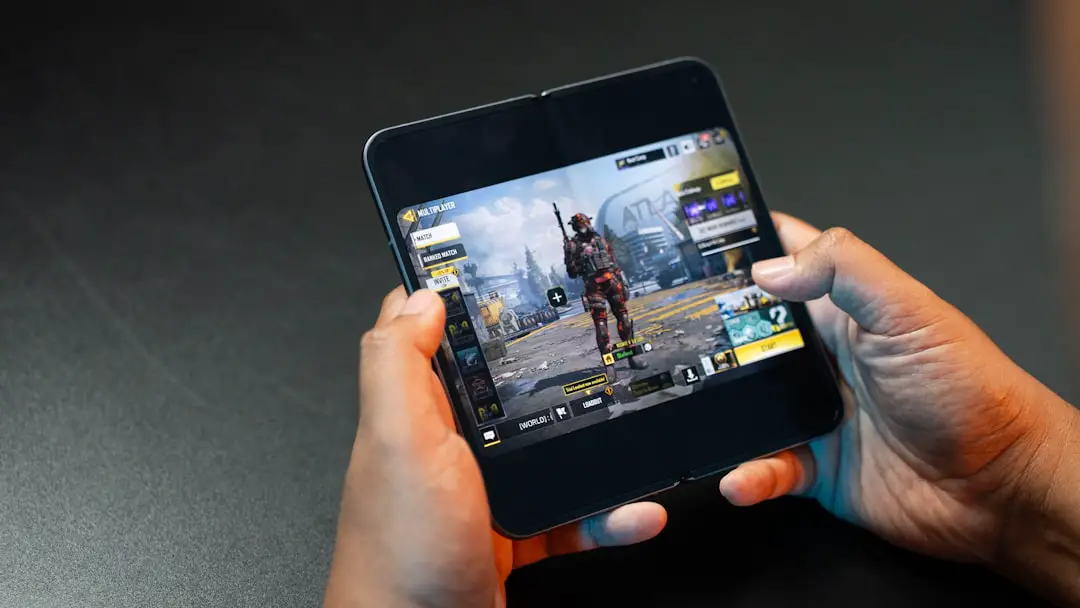
The Call of Duty franchise has consistently pushed the boundaries of multiplayer personalization, from operator skins to weapon blueprints and animated emblems. As rumors and early discussions around Call of Duty: Black Ops 7 continue to gain momentum, one specific question has surfaced among fans: Does Black Ops 7 feature AI-generated calling cards? With artificial intelligence now influencing game development, art pipelines, and player content tools, the idea is no longer far-fetched. However, separating speculation from verified information is essential.
TLDR: There is currently no confirmed evidence that Call of Duty: Black Ops 7 includes fully AI-generated calling cards for players. While AI is increasingly used in game development workflows, Activision has not officially announced AI-driven customization for calling cards. It is possible that AI assists internal design teams, but user-generated AI calling cards remain unlikely due to moderation and security concerns. As of now, calling cards are expected to follow the traditional unlock and reward system.
Understanding Calling Cards in Black Ops
Calling cards are a long-standing personalization feature within the Call of Duty franchise. They appear alongside a player’s username in lobbies, killcams, and scoreboards, serving as a visual badge of identity and achievement.
Traditionally, calling cards are:
- Unlocked through gameplay challenges (e.g., kill streaks, weapon mastery, seasonal events)
- Awarded during limited-time events or promotions
- Included in battle passes or store bundles
- Tied to ranked milestones or prestige progression
They are typically pre-designed by the studio’s art team and follow strict visual guidelines that align with the game’s aesthetic, tone, and age rating.
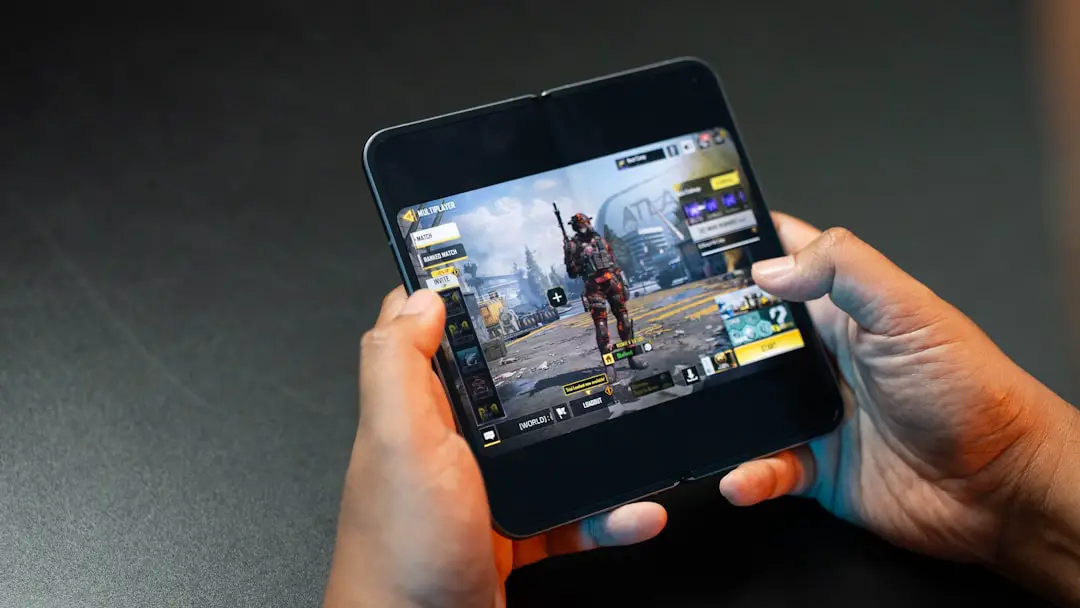
Where Does AI Fit Into Modern Game Development?
Before addressing whether Black Ops 7 has AI calling cards, it is important to distinguish between AI-generated player content and AI-assisted development tools.
Across the gaming industry, AI is increasingly used for:
- Concept art iteration and asset prototyping
- Procedural environmental detailing
- Voice synthesis testing during development
- Automated quality assurance and bug detection
- Player behavior analytics for matchmaking balancing
This does not mean players necessarily have access to AI creation tools. In most AAA titles, AI operates behind the scenes to improve workflow efficiency and production scalability.
In large-scale franchises like Call of Duty, art pipelines involve rigorous approval chains and brand oversight. Even if AI assists concept artists internally, final outputs undergo manual refinement and review.
Has Activision Confirmed AI Calling Cards in Black Ops 7?
As of now, there has been no official announcement from Activision, Treyarch, or associated studios indicating that Black Ops 7 includes AI-generated calling cards for players. Leaks and community speculation often conflate broader AI adoption with direct player-facing tools.
If AI-generated calling cards were implemented in a literal sense—allowing players to input prompts and generate custom images—it would represent a major shift in Call of Duty’s content control philosophy.
Such a feature would raise serious operational concerns:
- Moderation challenges (explicit or offensive generated imagery)
- Copyright violations (AI producing trademarked characters or logos)
- Server load implications (real-time generation or storage needs)
- Community toxicity risks
Given Activision’s historically tight control over cosmetic ecosystems—especially in multiplayer environments—it is unlikely that unrestricted AI image generation would be introduced without significant safeguards.
Could Calling Cards Be AI-Assisted Internally?
While player-generated AI calling cards seem improbable, it is highly plausible that AI tools assist studio artists in producing official assets more efficiently.
In modern AAA development pipelines, AI tools may:
- Generate mood boards from thematic prompts
- Create variant iterations quickly for internal review
- Assist with animation loops for premium animated calling cards
- Enhance texture detail or upscale art resolution

However, the presence of AI in the workflow does not equate to dynamic, player-facing AI content. The distinction is crucial. Even if Black Ops 7 leverages AI-assisted production, the final calling cards would still be curated, refined, and officially distributed assets.
Why Fully Custom AI Calling Cards Are Unlikely
Allowing players to generate their own images through AI would introduce significant moderation complexities. Call of Duty’s player base spans millions globally, across different age demographics and regional regulations.
For AI calling card tools to function safely, Activision would need:
- Real-time filtering systems with near-perfect accuracy
- Manual review teams for disputed creations
- Extensive keyword and image recognition blocking systems
- Strong compliance safeguards for international gaming laws
Even advanced moderation AI systems cannot guarantee absolute prevention of harmful or inappropriate content. In a franchise already managing voice chat moderation, text chat filtering, and report systems, introducing generative visuals could dramatically expand risk exposure.
From a legal standpoint, AI generation tools can also unintentionally replicate copyrighted material, creating intellectual property conflicts. Major publishers are typically cautious about adopting systems that introduce unpredictable legal variables.
What About AI-Themed Calling Cards?
It is important to clarify another possibility: AI-themed calling cards versus AI-generated calling cards.
Black Ops titles frequently explore futuristic and technological themes. It would not be surprising if Black Ops 7 includes calling cards featuring:
- Neural network motifs
- Glitch art aesthetics
- Robotic or cyber warfare imagery
- Machine intelligence symbolism

In this case, the designs may visually reference artificial intelligence as part of the game’s narrative setting but would still be officially designed assets—not dynamically generated content.
Historical Precedent in Call of Duty
Historically, Call of Duty has not offered unrestricted image customization in multiplayer. Earlier titles did allow emblem editors with shape layering tools, but even those were eventually restricted due to widespread misuse.
The evolution of customization has generally followed a pattern:
- Initial creative freedom (emblem editors in older titles)
- Community abuse and moderation strain
- Transition to curated cosmetic ecosystems
Given this trajectory, it would represent a major reversal of policy to introduce AI image generation directly into player customization systems.
Market Trends and the Future of AI in Multiplayer Games
The broader gaming industry is actively experimenting with AI tools, but most implementations currently focus on:
- NPC dialogue enhancement
- Dynamic world reactions
- Procedural world-building
- Backend analytics and personalization recommendations
Consumer-facing generative art tools inside competitive multiplayer environments remain rare—particularly in franchises with strict competitive integrity standards.
This does not mean AI customization will never appear. It is possible that future iterations of Call of Duty could introduce highly controlled AI systems, such as:
- Preset-based AI variations (limited safe outputs)
- AI-assisted animation upgrades for unlocked cards
- Procedural color variants generated within pre-approved boundaries
These approaches would maintain brand control while incorporating AI innovation.
The Most Likely Scenario for Black Ops 7
Based on historical trends, industry practices, and the absence of official confirmation, the most responsible conclusion is:
Black Ops 7 is unlikely to include true AI-generated calling cards for player customization.
Instead, players can expect:
- Challenge-based calling card unlocks
- Seasonal and event-exclusive designs
- Battle pass animated cards
- Premium bundle inclusions
- Potential AI-inspired visual themes
AI may subtly influence how these designs are conceptualized and produced behind the scenes, but the end-user experience will likely remain consistent with prior entries.
Final Assessment
While artificial intelligence is transforming creative industries, including game development, there is no verified evidence that Call of Duty: Black Ops 7 offers AI-generated calling cards to players. The technical, legal, and moderation challenges make unrestricted AI visual customization improbable in a competitive AAA multiplayer environment.
That said, it would not be surprising if AI-assisted production tools contribute to the design and polish of official calling card assets. Players may also encounter thematic AI-driven artwork aligned with the game’s narrative direction. However, until Activision makes an explicit announcement, any claims of player-generated AI calling cards should be viewed cautiously.
For now, fans can expect Black Ops 7 to continue the franchise’s established model: curated personalization, structured unlock paths, and controlled cosmetic ecosystems—rather than open-ended generative AI tools.