
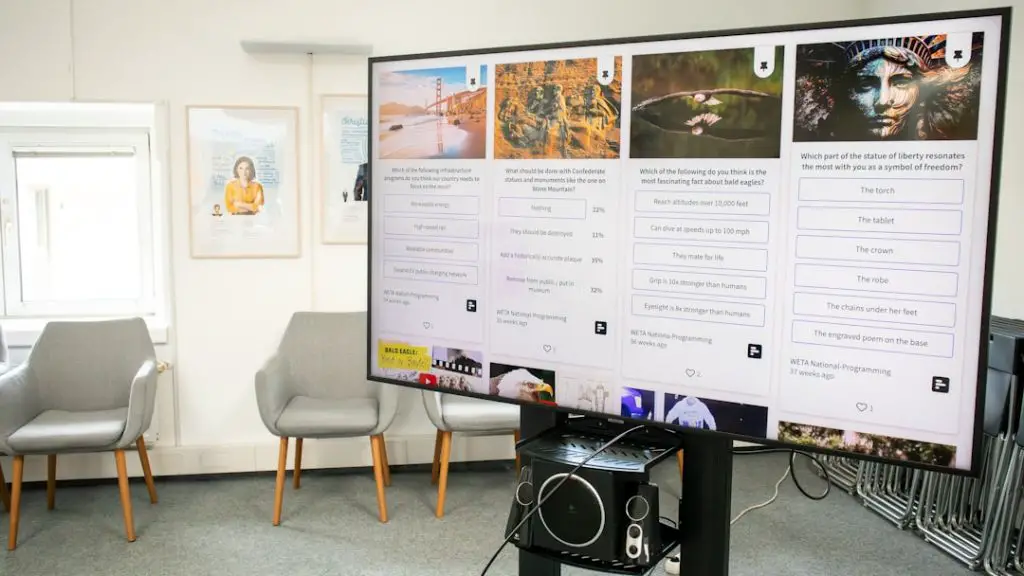
In the digital era, the way a platform organizes and presents visual and multimedia content plays a significant role in user experience, branding, and functionality. When evaluating whether X has a media gallery, the question extends beyond a simple yes or no. It involves understanding how media is stored, displayed, categorized, and accessed by users. A media gallery is not just a visual repository; it reflects the platform’s technical maturity and commitment to structured content management.
TL;DR: X does offer media gallery functionality, but its structure and accessibility depend on how the platform is configured and used. A media gallery typically centralizes images, videos, and other visual assets for easier browsing and management. Whether it is built-in or implemented via additional tools, the purpose remains consistent: organized, searchable, and user-friendly media presentation. Understanding its scope requires examining both frontend visibility and backend management.
A media gallery traditionally refers to a dedicated section within a platform where multimedia assets—such as images, videos, infographics, and sometimes audio—are stored and displayed in an organized format. These galleries may be accessible publicly, privately, or both. When considering whether X includes such functionality, it is important to define what qualifies as a “gallery” in the modern digital context.
What Defines a Media Gallery?
Before determining whether X has a media gallery, it is essential to clarify the characteristics typically associated with one. A fully developed media gallery generally includes:
- Centralized storage of media files
- Visual thumbnails for easy browsing
- Categorization or tagging systems
- Search functionality
- Administrative upload and management tools
- User access controls
If X includes most or all of these features, it can confidently be said to offer a media gallery. However, some platforms provide partial solutions, such as basic media libraries without advanced filtering or display options.


Frontend Versus Backend Media Galleries
One of the most common misconceptions is assuming that a visible public gallery is the same as a backend media library. In reality, these are often separate components.
Frontend Gallery:
- Designed for visitors or end users
- Displays media in an aesthetically organized layout
- Often includes filters, slideshows, or lightbox viewing options
Backend Media Library:
- Used by administrators or content managers
- Allows uploading, organizing, editing, and deleting media
- Supports content integration across pages and features
X may offer one, both, or a hybrid solution. For example, a platform can provide robust internal media management tools while offering limited public-facing gallery functionality unless customized.
How X Handles Media Storage
An essential aspect of evaluating X’s gallery capabilities lies in how it handles media storage. Modern systems typically rely on either:
- Internal server storage
- Cloud-based storage solutions
- Integrated third-party hosting services
If X includes centralized media storage where users can upload and reuse files across multiple pages or posts, this strongly indicates the presence of a structured media gallery system. Additionally, advanced platforms often provide metadata editing, including alternative text, captions, and descriptions, which enhance accessibility and search optimization.
Accessibility compliance is also a hallmark of serious media management. If X supports alt attributes, structured naming conventions, and scalable image resizing, it reflects a mature gallery infrastructure rather than a simple file upload tool.
User Experience and Navigation
A true media gallery is more than file storage—it is an essential user experience element. When evaluating X, consider the following:
- Can users easily browse media collections?
- Does the system allow sorting by date, category, or popularity?
- Are images displayed in responsive layouts across devices?
- Is loading speed optimized through compression or lazy loading?

If X implements responsive design principles within its gallery view, it demonstrates alignment with modern technological standards. Without responsive functionality, even a well-structured gallery may feel outdated and impractical for mobile users.
Organizational Features and Categorization
One defining characteristic of a robust media gallery is categorization. This includes folders, albums, or tag-based classification systems. If X allows users to group images into themed collections—such as events, products, or campaigns—it significantly enhances usability.
Effective organization provides multiple benefits:
- Improved discovery of relevant files
- Reduced redundancy in uploads
- Faster administrative workflows
- Cleaner public presentation
A lack of categorization often indicates that the platform provides only basic storage, not a fully realized gallery feature.
Search and Filtering Capabilities
Advanced gallery systems go beyond simple visual browsing. Search functionality is essential when the volume of media increases. If X includes keyword-based search, filtering by file type, date, or custom tags, it supports scalable content management.
For businesses, search-enabled galleries are particularly important. Marketing teams, designers, and editors often need rapid access to past campaigns or branded assets. Without filtering tools, users may spend significant time manually navigating through large collections.
Security and Permission Controls
A serious and professional platform incorporates layered access control into its media management system. When asking whether X has a media gallery, it is equally important to consider who has access to it and under what conditions.
Key security elements include:
- Role-based access permissions
- Private and public visibility options
- Watermarking or content protection features
- Audit logs for media changes
In enterprise environments, the absence of these controls can limit the usefulness of a gallery system. If X supports differentiated roles—such as administrator, editor, or viewer—this signals a professional-grade media framework.


Integration With Other Features
The true value of a media gallery emerges when it integrates seamlessly with other platform components. In X, media may be linked to:
- Blog posts or articles
- Product listings
- User profiles
- Marketing campaigns
- Announcements or news updates
If the same piece of media can be reused across multiple modules without re-uploading, it demonstrates centralized management efficiency. This not only reduces storage redundancy but ensures consistency in branding and messaging.
Customization and Display Options
Another determining factor is how customizable the gallery display is. If X allows administrators to choose between grid, masonry, carousel, slideshow, or lightbox formats, it enhances aesthetic flexibility.
Customization often includes:
- Adjustable thumbnail sizes
- Spacing and alignment controls
- Animation effects
- Caption display toggles
A rigid gallery layout may meet basic needs but limit creative presentation. Therefore, flexibility is an important criterion when assessing whether X truly offers a comprehensive gallery solution.
Limitations and Considerations
While X may include a media gallery feature, it is important to recognize possible limitations. Some platforms impose:
- File size restrictions
- Limited storage quotas
- Restricted file type support
- Performance slowdowns with large collections
These constraints do not negate the existence of a gallery but may affect its practicality for large-scale or multimedia-heavy projects.
Additionally, some systems require optional extensions or configuration to unlock advanced functionality. In such cases, the gallery exists in principle but requires setup to achieve full capability.
Conclusion
So, does X have a media gallery? In most structured digital platforms, the answer is yes—either in the form of a built-in backend media library, a public-facing gallery component, or a combination of both. However, the depth of functionality varies depending on configuration, permissions, and feature integration.
A serious evaluation must look beyond mere file upload capability. A true media gallery includes structured organization, search functionality, responsive design, security controls, and seamless integration. If X supports these elements, it can confidently be described as having a comprehensive and professionally implemented media gallery.
Ultimately, the presence of a media gallery is less about a checkbox feature and more about how effectively the platform manages, presents, and protects multimedia assets. For organizations, clarity in this area directly impacts workflow efficiency, brand presentation, and long-term scalability.