

Running a successful online store requires more than attractive product pages and competitive pricing. Behind every seamless checkout experience lies a well-structured inventory system that ensures products are in stock, accurately tracked, and efficiently replenished. Ecommerce inventory software plays a critical role in helping online businesses monitor stock levels, manage orders, forecast demand, and reduce costly errors. As ecommerce continues to expand, reliable inventory management has become a foundational component of sustainable growth.
TLDR: Ecommerce inventory software helps online businesses accurately track stock levels, manage orders, and prevent overselling. It automates stock updates across multiple sales channels and provides valuable forecasting insights. By improving efficiency and reducing human error, it supports scalable growth. Choosing the right solution depends on business size, integration needs, and operational complexity.
Ecommerce inventory software refers to digital tools designed to monitor, organize, and control inventory for online retailers. Unlike traditional manual tracking methods, these systems automate stock updates in real time. When a customer places an order, inventory levels adjust automatically, helping businesses avoid overselling or underselling products.
The Role of Inventory Management in Online Retail
In ecommerce, customers expect accurate product availability information and fast delivery. If an item appears in stock but is unavailable, it can damage brand reputation and reduce customer trust. Effective inventory software ensures:
- Real-time stock visibility across all sales channels
- Reduced human error in stock tracking
- Improved order accuracy
- Optimized warehouse operations
- Better forecasting and planning
Without automation, businesses often struggle with discrepancies between physical and recorded stock, particularly when selling across marketplaces, websites, and social platforms simultaneously.
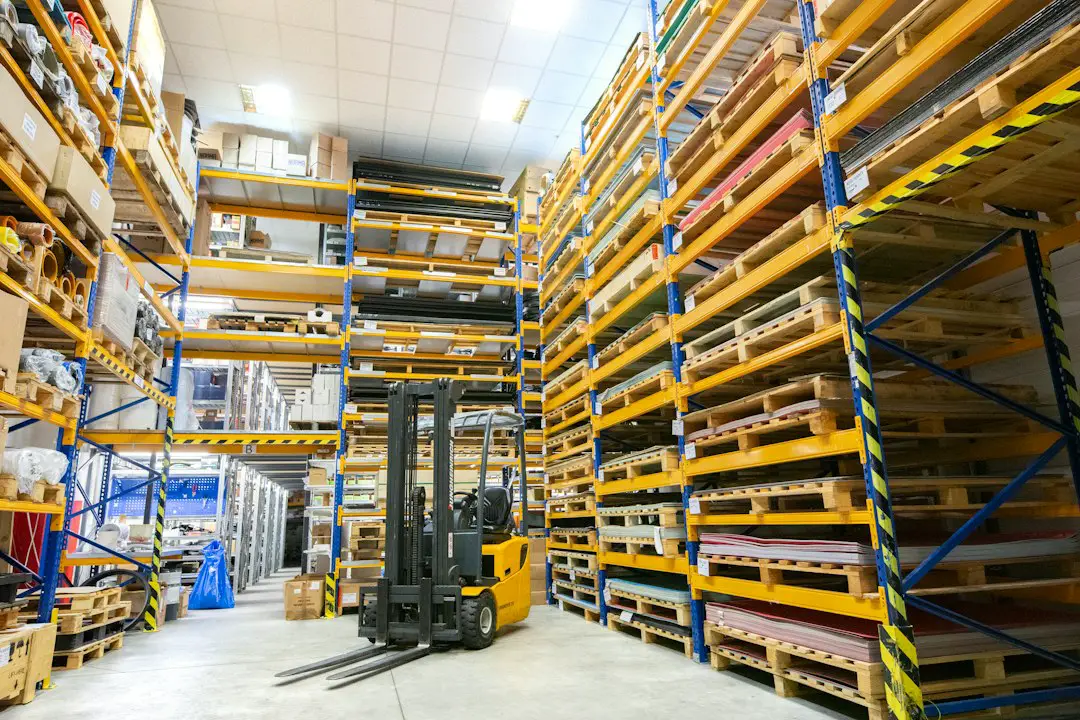
Key Features of Ecommerce Inventory Software
Modern inventory tools offer a range of capabilities that simplify complex operations. Although features vary by provider, most high-quality solutions include:
1. Real-Time Inventory Tracking
This feature updates stock counts instantly whenever a sale, return, or restock occurs. Real-time syncing prevents overselling and ensures every sales channel reflects accurate availability.
2. Multi-Channel Integration
Online businesses often sell through multiple platforms such as their own website, online marketplaces, and social commerce channels. Inventory software centralizes stock management so quantities remain synchronized everywhere.
3. Automated Reordering
Many systems allow users to set reorder points. When stock falls below a certain threshold, the software can generate purchase orders or alerts, reducing the risk of stockouts.
4. Reporting and Analytics
Data-driven insights help businesses identify best-selling products, slow-moving stock, and seasonal demand trends. Detailed reports support strategic decision-making and financial planning.
5. Barcode and SKU Management
Barcode scanning improves accuracy and speeds up warehouse processes. Stock Keeping Units (SKUs) allow businesses to categorize and track product variations such as size, color, or style.
6. Demand Forecasting
Advanced tools use historical data and predictive analytics to estimate future demand, helping retailers make informed purchasing decisions.
Benefits of Using Inventory Software for Ecommerce
Adopting specialized software offers numerous operational and financial advantages.
Improved Accuracy
Manual data entry increases the likelihood of mistakes. Automation significantly reduces discrepancies, ensuring that physical stock matches digital records.
Increased Efficiency
By automating repetitive tasks such as stock updates, purchase order creation, and reporting, businesses free up time for strategic growth initiatives.
Better Customer Experience
Accurate stock information prevents cancelled orders and delays. Timely fulfillment enhances customer satisfaction and strengthens brand loyalty.
Cost Control
Inventory software minimizes excess stock and reduces storage costs. It also limits losses caused by stockouts, spoilage, or obsolete inventory.
Scalability
As online businesses expand, manual systems become unmanageable. Inventory software allows operations to scale efficiently without dramatically increasing overhead.

Challenges Ecommerce Businesses Face Without Proper Inventory Management
When businesses rely solely on spreadsheets or disconnected tools, they often encounter:
- Overselling products, resulting in backorders and refunds
- Dead stock accumulation, tying up capital
- Inaccurate financial reporting
- Delayed order processing
- Poor supplier coordination
These issues can hinder growth and damage a company’s reputation. In competitive ecommerce markets, operational precision is no longer optional.
Types of Ecommerce Inventory Software
Different businesses require different solutions. The most common categories include:
Cloud-Based Solutions
Cloud platforms are hosted online and accessible from anywhere. They offer automatic updates, scalability, and easy integration with other ecommerce tools.
On-Premise Systems
Installed locally on company servers, these systems provide greater control but require internal IT management and higher upfront costs.
All-in-One Ecommerce Platforms
Some ecommerce platforms include built-in inventory management. While convenient, they may lack advanced features needed by growing enterprises.
Enterprise Resource Planning (ERP) Systems
ERP solutions integrate inventory management with accounting, procurement, and logistics, making them suitable for larger operations with complex workflows.
How to Choose the Right Inventory Software
Selecting appropriate software depends on several factors. Decision-makers should evaluate:
- Business size and order volume
- Number of sales channels
- Integration requirements with accounting or shipping tools
- Budget constraints
- User-friendliness and support
A small startup may benefit from a straightforward, affordable cloud solution, while a high-volume brand with multiple warehouses might require advanced ERP capabilities.
Integration with Other Ecommerce Systems
Ecommerce inventory software works best when integrated seamlessly with other digital tools, such as:
- Shipping and fulfillment platforms
- Payment gateways
- Customer relationship management systems
- Accounting software
Integration ensures consistent data flow between departments, eliminating redundant data entry and reducing operational friction.

Best Practices for Effective Online Inventory Management
Even with powerful software, businesses must implement proper inventory management strategies to maximize results.
Regular Stock Audits
Periodic physical inventory checks verify that digital records match actual stock levels.
Safety Stock Planning
Maintaining buffer stock protects against supply chain disruptions or unexpected demand spikes.
Supplier Relationship Management
Strong communication with suppliers ensures timely replenishment and negotiated cost efficiencies.
Clear SKU Organization
Logical product categorization makes tracking and reporting more effective.
The Future of Ecommerce Inventory Software
The evolution of technology continues to enhance inventory management capabilities. Artificial intelligence and machine learning are enabling more accurate demand forecasting. Automation in warehouses, including robotics and smart picking systems, further streamlines operations.
Additionally, businesses are increasingly prioritizing omnichannel strategies, requiring inventory visibility across physical stores, online platforms, and third-party marketplaces. Future software solutions are likely to offer enhanced mobile functionality, deeper data analytics, and greater automation capabilities.
Conclusion
Ecommerce inventory software is no longer a luxury but a necessity for online retailers seeking operational excellence. By automating stock tracking, improving accuracy, and offering actionable insights, these systems empower businesses to meet customer expectations while controlling costs. Whether managing a small online boutique or a large-scale ecommerce enterprise, investing in the right inventory solution lays the groundwork for sustainable growth and long-term success.
Frequently Asked Questions (FAQ)
1. What is ecommerce inventory software?
Ecommerce inventory software is a digital tool that helps online businesses track, manage, and optimize stock levels across one or multiple sales channels.
2. Why is real-time inventory tracking important?
Real-time tracking ensures stock counts are updated immediately after sales or returns, preventing overselling and improving customer satisfaction.
3. Can small businesses benefit from inventory software?
Yes. Even small ecommerce startups can reduce errors, save time, and prepare for growth by implementing inventory management software.
4. How does inventory software prevent stockouts?
It uses automated alerts and reorder points to notify businesses when stock levels fall below a predetermined threshold.
5. Is cloud-based inventory software secure?
Most reputable cloud solutions use advanced encryption and security protocols to protect business data.
6. Does inventory software integrate with ecommerce platforms?
Yes. Many solutions integrate with popular ecommerce platforms, accounting software, and shipping providers for streamlined operations.
7. How does inventory software support forecasting?
Advanced systems analyze historical sales data and trends to predict future demand and guide purchasing decisions.
8. What is the difference between inventory management and order management?
Inventory management focuses on tracking stock levels, while order management oversees the entire process of receiving, processing, and fulfilling customer orders.