
Launching an online store has never been easier, thanks to the rise of ecommerce website builders. Today, you don’t need a background in coding or web development to get your business up and running. With a wide variety of platforms tailored for different needs—from small startups to large-scale enterprises—choosing the right one can save you time, money, and many future headaches.
TLDR:
The ecommerce website builder you choose will significantly impact the look, functionality, and scalability of your online store. ShopifyWix is ideal for beginners who want a visually appealing storefront fast. BigCommerce caters more to growing or enterprise-level businesses with advanced built-in features.
What Makes a Great Ecommerce Website Builder?
Before diving into the top choices, let’s understand what makes an ecommerce website builder stand out. Some important criteria include:
- Ease of Use: An intuitive interface and learning curve that won’t scare off beginners.
- Customization: Flexibility in design and features to match your unique brand.
- Payment Integration: Compatibility with major payment processors and options for global commerce.
- Scalability: The ability to grow with your business as it expands.
- Support and Resources: Helpful customer service, tutorials, and community support.
1. Shopify – The Leading All-Rounder
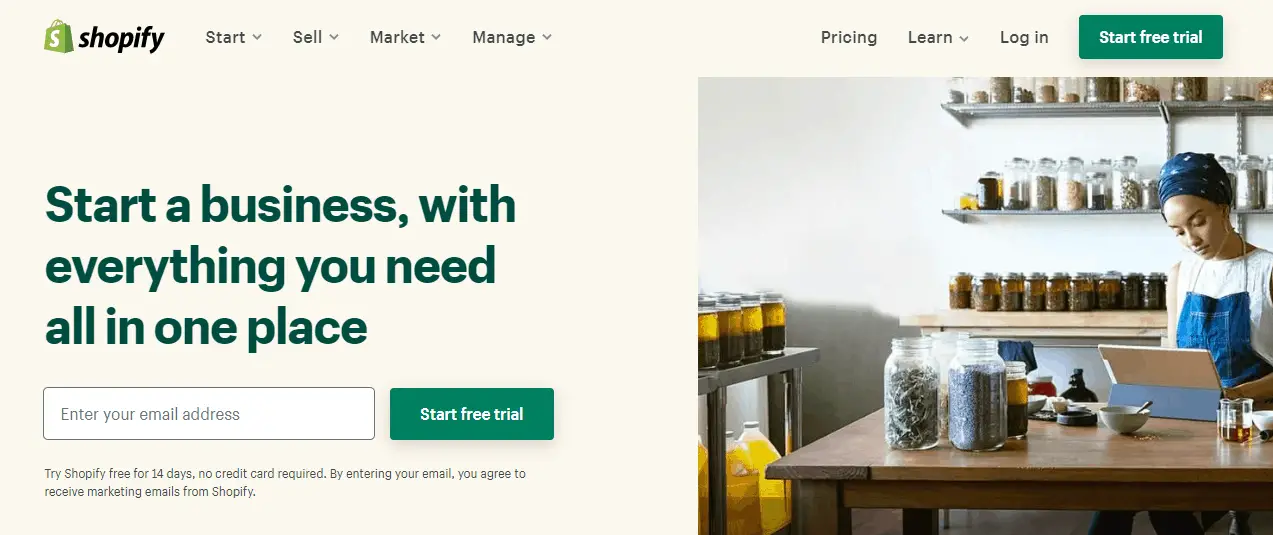
If you’ve heard of ecommerce, you’ve heard of Shopify. Launched in 2006, Shopify has become one of the most recognized ecommerce platforms globally. It powers over a million stores and has become synonymous with online selling, thanks to its user-friendly interface and powerful features.
Key Features:
- Drag-and-drop store builder: Intuitive and requires no coding knowledge.
- Wide selection of themes and apps: Offers both free and premium themes.
- Robust payment options: Includes Shopify Payments, PayPal, Stripe, and 100+ gateways.
- 24/7 support: Access to helpful guides and chat or email support round the clock.
- Scalable infrastructure: Handles businesses ranging from small startups to high-volume enterprises.
One standout benefit is Shopify’s App Store, which contains thousands of plugins to extend your store’s capabilities. From marketing tools to inventory management systems, the platform gives you room to grow and improve continuously.
Pros:
- Simplifies ecommerce for any skill level
- Huge community and plenty of expert resources
- Excellent security and reliability
Cons:
- Transaction fees unless using Shopify Payments
- Can become expensive with add-ons and premium themes
2. Wix – Best for Beginners and Creative Control
Wix bridges the gap between simplicity and creative freedom. Known initially as a general website builder, Wix now offers a full suite of ecommerce capabilities with Wix eCommerce. It’s tailored for small business owners or creative individuals who want to design a visually stunning store without diving into code.
Key Features:
- WYSIWYG Editor (What You See Is What You Get): Instantly see changes as you make them.
- Beautiful design templates: Hundreds of professionally designed options for every industry.
- Integrated marketing tools: Includes email marketing, SEO tools, and social media integrations.
- No commission on sales: Keep 100% of what you earn, minus card processing fees.
Wix excels in its easy-to-use editor that allows full control over every element on the screen. With Wix ADI (Artificial Design Intelligence), users can even generate a custom layout in minutes based on a few simple questions.

Pros:
- Perfect for creatives and newcomers
- Low-cost plans and straightforward pricing
- Visually appealing storefronts
Cons:
- Limited scalability and ecommerce-specific depth
- Third-party app integration is not as robust as Shopify
3. BigCommerce – Ideal for Growing Enterprises
BigCommerce is built with scalability in mind. If you’re anticipating significant growth or want to build a large-scale online store from the start, BigCommerce is a power-packed solution that won’t disappoint. It comes with a load of enterprise-grade features out of the box, thus reducing the need for extra extensions or plugins.
Key Features:
- Built-in SEO optimization: Advanced URL structures, metadata customization, and fast load times.
- Multi-channel selling: Seamlessly integrate with Amazon, eBay, Facebook, and more.
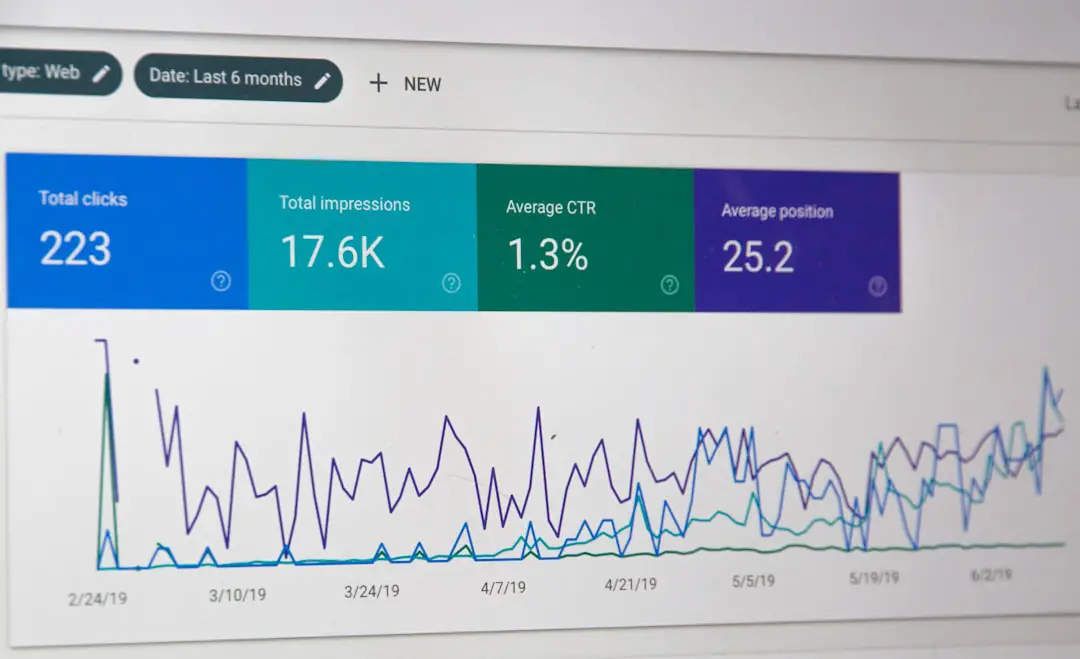
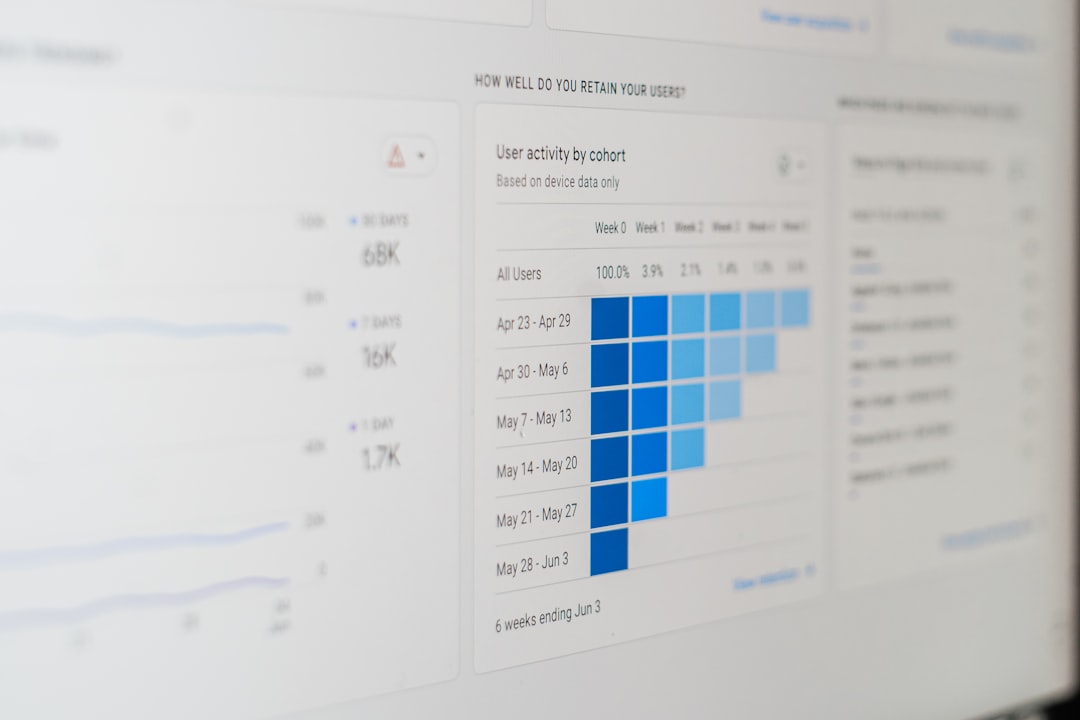
- Advanced reporting tools: Better tracking and analytics for smarter decision-making.
- No transaction fees: Even when using third-party payment gateways.
Because BigCommerce doesn’t rely as heavily on apps like Shopify, much of its expanded functionality comes baked directly into the platform. This can be a major advantage for businesses that need more than the basics right from the start.
Pros:
- Robust and scalable with enterprise-level tools
- Great SEO and multi-channel capabilities
- No additional transaction fees
Cons:
- Steeper learning curve than Shopify or Wix
- Monthly costs are on the higher end
Which Ecommerce Builder Is Right for You?
Choosing the best builder depends on your business needs, technical skill, and growth plans. Here’s a quick comparison to help you decide:
| Platform | Best For | Ease of Use | Pricing | Scalability |
|---|---|---|---|---|
| Shopify | All-purpose use & growing stores | High | Moderate to High | High |
| Wix | Small stores & creatives | Very High | Low to Moderate | Moderate |
| BigCommerce | Larger businesses & scaling fast | Moderate | High | Very High |
Final Thoughts
Starting your ecommerce journey with the right website builder can be the difference between a quick launch and a tech nightmare. Whether you’re an artist selling prints, a retailer expanding online, or an ambitious startup planning to scale fast, there’s a platform tailored to your unique journey.
Shopify leads the pack with its combination of power and usability. Wix is perfect for visually-driven businesses that need a simple solution. Meanwhile, BigCommerce is the go-to for companies with complex operations needing scalability and depth.
Whatever your choice, remember to align it with your long-term business goals to ensure success not just today—but tomorrow as well.