
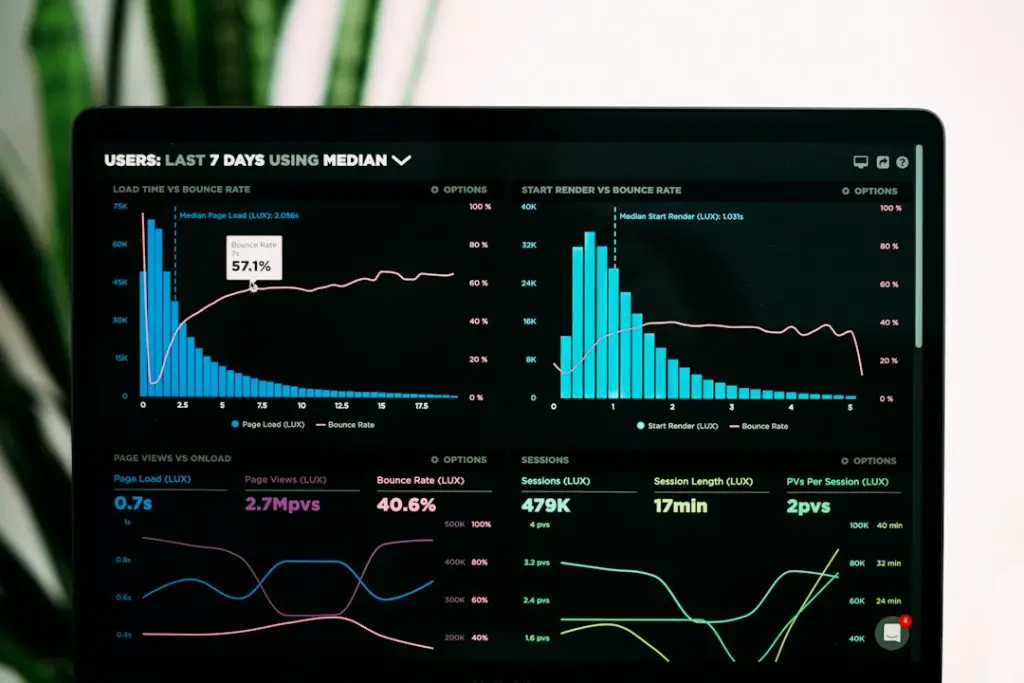
For most asset-heavy teams, the best EAM platform is the one that makes preventive maintenance, work orders, parts, and asset history easy to use on a phone. That sounds basic, but many systems still bury simple jobs under too many clicks. Enterprise asset management matters because downtime is expensive, audits are stressful, and aging equipment rarely fails at a convenient time. The EAM market is also growing fast, with MarketsandMarkets estimating it will rise from $4.7 billion in 2023 to $7.6 billion by 2028 [source: MarketsandMarkets].
TLDR: Enterprise Asset Management software helps companies track equipment, schedule maintenance, manage work orders, monitor parts, and plan the full life of each asset. For example, a food plant with 450 machines could use an EAM system to cut emergency repairs by 20% by moving from reactive fixes to scheduled inspections. The seven strong options below are IBM Maximo, SAP EAM, Infor EAM, Oracle Maintenance, Fiix, UpKeep, and eMaint. Larger firms often pick Maximo, SAP, or Oracle, while smaller teams may move faster with Fiix, UpKeep, or eMaint.
What EAM software actually does
An EAM platform is not just a digital filing cabinet. Good systems connect asset records, technicians, spare parts, inspections, meters, warranties, safety steps, and budgets. They help teams answer simple but painful questions:
- Which asset keeps breaking?
- Who worked on it last?
- Do we have the right part in stock?
- Should we repair it again or replace it?
- Which jobs are overdue?
The goal is fewer surprises. Better uptime. Cleaner records. Less time chasing paper forms across a shop floor.


1. IBM Maximo
IBM Maximo is one of the best-known EAM platforms for large operations. It fits utilities, transport, oil and gas, manufacturing, and public infrastructure. It handles asset hierarchies, condition monitoring, inspections, work orders, inventory, and reliability planning.
Its strength is depth. Maximo can support complex assets across many sites. It also supports AI-assisted insights and predictive maintenance. The catch is that setup can feel heavy. Expect planning, training, and admin work. For a small team, it may be more system than needed.
2. SAP Enterprise Asset Management
SAP EAM, often used with SAP S/4HANA, works well for companies already running SAP for finance, procurement, and operations. That connection is a big deal. Maintenance costs, purchase orders, parts, and asset values can all sit in one business system.
It is strong for regulated and global firms. It supports preventive maintenance, refurbishment, permits, notifications, and asset accounting. The downside is familiar: SAP can be powerful but slow to change. Small edits may need process owners, consultants, or both.
3. Infor EAM
Infor EAM is popular in manufacturing, facilities, healthcare, public sector, and transport. It offers work management, asset tracking, inspection checklists, mobile access, energy tracking, and capital planning.
One useful area is usability for maintenance teams. Infor tends to feel more practical than some older enterprise tools. It can manage complex assets without making every screen feel like a finance form. Still, reporting setup may take time if your data is messy.
4. Oracle Maintenance
Oracle Maintenance, part of Oracle Cloud applications, suits firms that want asset maintenance tied closely to supply chain, procurement, projects, and finance. It supports preventive maintenance, condition-based maintenance, work execution, and parts planning.
Oracle is a strong fit when maintenance affects production and inventory in real time. For example, a manufacturer can connect machine downtime with production plans and material needs. Honestly, it feels like overkill if all you need is a clean work order app for 20 assets.
5. Fiix by Rockwell Automation
Fiix is a cloud-based maintenance platform with a friendly interface. It is often used by manufacturers that want to move from spreadsheets or basic CMMS tools into more structured asset management.
Fiix does well with work orders, preventive maintenance, asset histories, parts, meters, and mobile use. It is easier to roll out than many enterprise suites. Rockwell ownership also makes it appealing for industrial teams. The tradeoff is that very large companies may still need deeper controls and custom workflows.
6. UpKeep
UpKeep is built for teams that want fast adoption. It is mobile-first, simple to use, and strong for frontline maintenance. Supervisors can create assignments, attach photos, track status, and monitor response times without a long training cycle.
This makes it useful for facilities, property teams, warehouses, and smaller manufacturers. It drives me crazy that some older systems need ten steps to close a simple job. UpKeep avoids much of that friction. However, it may not match the depth of Maximo or SAP for complex asset structures.
7. eMaint by Fluke
eMaint is a flexible CMMS and EAM option from Fluke. It fits teams that want strong maintenance management with room to grow. It includes work orders, PM scheduling, asset records, inventory, dashboards, and mobile tools.
Its strength is balance. eMaint is not as huge as the biggest enterprise suites, but it can still support serious maintenance programs. It is a smart choice for mid-sized plants, labs, and facilities that need better control without a massive rollout.

How to choose the right platform
Do not start with a feature checklist. Start with your maintenance pain. If downtime is the biggest issue, look for predictive maintenance, meter readings, and failure history. If technicians hate your current system, focus on mobile speed. If finance needs better cost data, choose a system that connects to ERP.
Use this quick guide:
- Best for complex enterprises: IBM Maximo, SAP EAM, Oracle Maintenance
- Best for industrial maintenance teams: Infor EAM, Fiix, eMaint
- Best for fast mobile adoption: UpKeep, Fiix
- Best for ERP-heavy companies: SAP EAM, Oracle Maintenance
- Best for mid-sized teams: eMaint, Fiix, Infor EAM
A strong EAM system should reduce downtime, extend asset life, and make maintenance less chaotic. The right choice depends on scale, budget, integrations, and how your technicians actually work. Pick the tool they will use every day, not the one with the longest demo.