
Managing maintenance requests across schools, hospitals, corporate offices, and municipal buildings can quickly become overwhelming without the right systems in place. From leaky faucets and broken HVAC units to preventive inspections and compliance tasks, facility teams juggle hundreds—sometimes thousands—of work orders every month. Facilities Management Systems like FMX offer a centralized, streamlined, and highly efficient way to handle these responsibilities while improving communication, visibility, and accountability. In a world where operational efficiency directly impacts budgets and user satisfaction, digital facility management tools have become essential rather than optional.
TLDR: Facilities Management Systems like FMX streamline maintenance requests by centralizing work orders, improving communication, and increasing transparency. They automate scheduling, track assets, and provide reporting tools that help organizations reduce costs and downtime. By replacing manual processes with mobile-friendly digital workflows, facilities teams work more efficiently and proactively. Ultimately, these systems improve both operational performance and user satisfaction.
The Growing Need for Smarter Maintenance Management
Modern facilities are more complex than ever. Buildings now include advanced HVAC systems, integrated technology, security systems, and energy management components—all of which require ongoing monitoring and maintenance. Relying on emails, spreadsheets, or paper forms to manage these tasks often results in:
- Delayed response times
- Lost or duplicated requests
- Lack of accountability
- Poor visibility into maintenance trends
- Difficulty forecasting budgets
Facilities Management Systems (FMS) like FMX solve these issues by bringing everything into one intuitive digital platform. Rather than chasing paperwork or searching through inboxes, maintenance teams can log, prioritize, assign, and complete work orders within a structured, trackable system.


How FMX and Similar Systems Work
At their core, Facilities Management Systems are built to simplify the lifecycle of a maintenance request. The process typically includes:
- Request Submission: Staff, students, employees, or tenants submit maintenance tickets through an online portal.
- Approval Workflow: Requests may route through designated approvers before being assigned.
- Task Assignment: Supervisors delegate tasks to specific technicians based on skillset and availability.
- Completion and Documentation: Technicians update work logs, attach photos, and mark jobs as complete.
- Reporting and Analysis: Managers track response times, costs, and recurring issues.
This structured approach ensures that nothing falls through the cracks. More importantly, it creates a digital paper trail that promotes transparency and continuous improvement.
Key Features That Make a Difference
While different platforms offer various tools, systems like FMX typically include several high-impact features.
1. Centralized Work Order Management
All maintenance activities live in one dashboard. Managers can filter requests by urgency, department, building, or technician, providing instant operational clarity. This centralization minimizes confusion and ensures clear communication.
2. Preventive Maintenance Scheduling
Reactive maintenance is costly. Preventive maintenance, on the other hand, extends asset life and reduces downtime. Facilities Management Systems allow teams to:
- Schedule recurring inspections
- Receive automated reminders
- Maintain compliance logs
- Reduce emergency repair costs
Instead of waiting for equipment to fail, teams proactively service assets according to manufacturer recommendations and usage patterns.
3. Asset Tracking and Lifecycle Management
Knowing what equipment you have—and its condition—is crucial. FMX-style systems store detailed asset profiles including purchase date, maintenance history, warranty details, and repair costs. Over time, this data helps managers decide whether to repair or replace aging equipment.
Image not found in postmeta4. Mobile Accessibility
Maintenance professionals rarely sit at desks. Mobile-friendly platforms allow technicians to:
- Access assignments in real time
- Upload photos of completed work
- Update statuses on-site
- Communicate with supervisors instantly
This mobility dramatically improves efficiency and reduces administrative bottlenecks.
5. Reporting and Data Insights
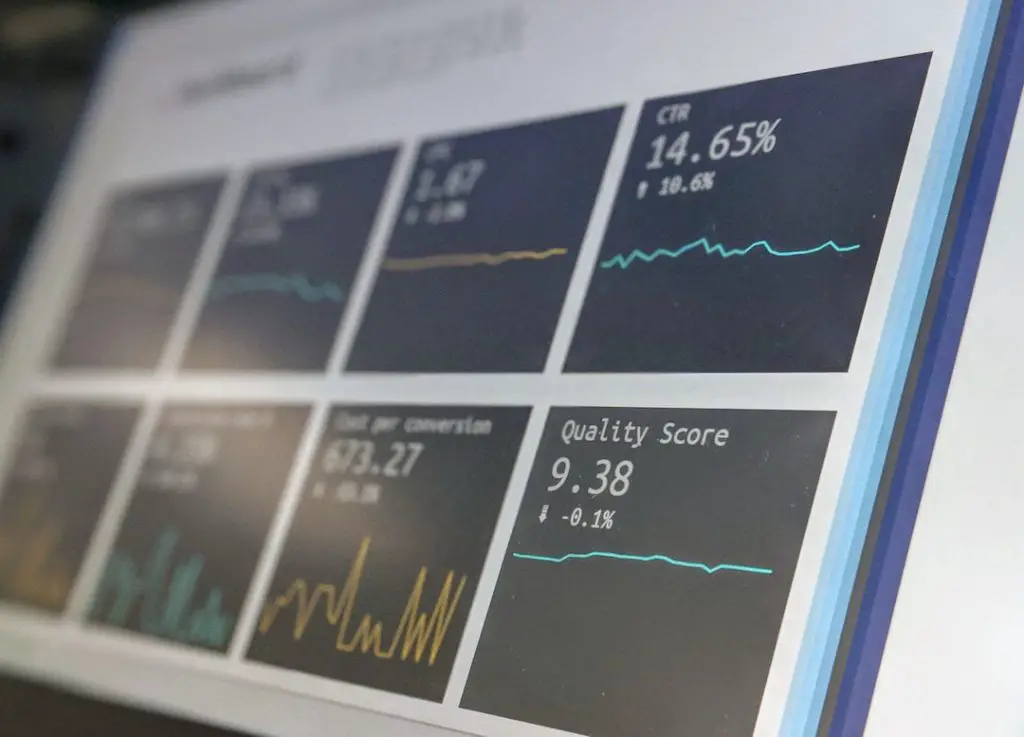
Data is one of the most powerful benefits of a Facilities Management System. With real-time dashboards and exportable reports, organizations can analyze:
- Average response times
- Cost per work order
- Maintenance backlog trends
- Recurring problem areas
- Budget performance
These insights support data-driven decisions rather than guesswork.
Benefits Across Different Industries
Facilities Management Systems are versatile and adaptable to many sectors.
Education
Schools and universities manage classrooms, dormitories, athletic facilities, and administrative buildings. A digital request portal empowers teachers and students to submit issues easily, while administrators maintain budget oversight. Preventive maintenance keeps campuses safe and functioning smoothly.
Healthcare
Hospitals depend on flawless infrastructure. Equipment downtime can impact patient care. Facilities platforms help healthcare maintenance teams respond rapidly, maintain compliance documentation, and ensure critical systems remain operational.
Corporate Offices
Workplace satisfaction often hinges on facility conditions. A comfortable and well-maintained office boosts employee productivity. Quick resolution of climate, lighting, or workspace issues improves morale and minimizes disruption.
Local Government
Municipalities manage a wide range of public properties. Digital tracking improves accountability and demonstrates responsible use of taxpayer funds through detailed reporting and performance metrics.
Improving Communication and Accountability
One overlooked advantage of systems like FMX is improved communication. When users submit requests through informal channels—verbal conversations or scattered emails—misunderstandings are common. A structured ticketing system eliminates ambiguity by documenting:
- Who submitted the request
- When it was received
- Who is responsible
- Status updates and resolution details
This transparency builds trust between facility teams and building occupants. It also provides managers with clear accountability standards.


Cost Savings and Long-Term ROI
Although implementing a Facilities Management System requires investment, the long-term return can be substantial. Savings typically come from:
- Reduced emergency repairs: Preventive maintenance limits catastrophic failures.
- Lower administrative costs: Automation reduces manual paperwork.
- Better vendor management: Track contractor performance and expenses.
- Extended asset lifespan: Routine servicing preserves equipment value.
Beyond direct financial savings, there is also intangible ROI. Improved organizational efficiency, happier occupants, and better compliance management contribute to overall operational resilience.
Implementation Best Practices
Successfully deploying a Facilities Management System requires thoughtful planning. Organizations should consider these steps:
- Define Clear Goals: Identify what problems the system should solve—faster response times, improved reporting, budget transparency, or all of the above.
- Engage Stakeholders: Involve maintenance staff, administrators, and requestors early in the process.
- Provide Training: Ensure all users feel comfortable navigating the platform.
- Start with Core Features: Roll out essential tools first, then expand functionality.
- Monitor and Adjust: Use reporting tools to evaluate effectiveness and refine workflows.
Adoption success depends on both technology and culture. A well-configured system combined with clear internal communication fosters strong engagement.
The Shift from Reactive to Proactive Management
Perhaps the most transformative impact of systems like FMX is the shift from reactive to proactive facility management. Instead of constantly “putting out fires,” teams gain the tools to anticipate issues, allocate resources strategically, and prevent service disruptions before they occur.
This proactive mindset aligns with broader organizational goals: sustainability, cost efficiency, safety, and long-term planning. Facilities are no longer viewed purely as expense centers but as strategic assets that support mission-critical operations.
Looking Ahead: The Future of Facility Technology
Facilities Management Systems continue evolving. Integration with Internet of Things (IoT) sensors, smart building technologies, and AI-powered analytics promises even greater automation and predictive insights. Imagine systems that automatically generate work orders based on sensor readings or predict equipment failure weeks in advance.
As buildings become smarter, the software used to manage them must also advance. Organizations that invest in modern facility management platforms position themselves to leverage these innovations seamlessly.
Conclusion
Facilities Management Systems like FMX have fundamentally transformed how organizations handle maintenance requests. By centralizing work orders, automating preventive maintenance, and delivering actionable insights, these platforms empower facility teams to operate with precision and efficiency. The result is more than just faster repairs—it’s improved communication, reduced costs, enhanced accountability, and better long-term planning.
In an environment where operational excellence directly impacts financial health and user experience, adopting a comprehensive facility management solution is a strategic step forward. For organizations seeking clarity, control, and confidence in their maintenance operations, systems like FMX provide a powerful and practical foundation.