
In recent years, the global smartphone industry has come under increasing scrutiny for its environmental impact, planned obsolescence, and the ethical sourcing of its components. Amid calls for greener, fairer alternatives, one company has stood out by offering a refreshingly ethical and modular approach to mobile technology: Fairphone. Originating in Europe, Fairphone has long been celebrated for its commitment to sustainability, fair labor, and repairability. Now, with interest growing in the Fairphone brand in the United States, many are wondering if this modular marvel can make waves in the complex American market.
TL;DR (Too Long, Didn’t Read)
Fairphone is a European smartphone company known for its ethical production and modular, repairable design. Though not officially launched in the U.S. market, American consumers are increasingly showing interest in its sustainable philosophy. The modular phone market in the U.S. is sparse, giving Fairphone a unique opportunity to fill that niche. Challenges such as telecom compatibility and consumer habits remain substantial hurdles.
The Rise of Fairphone: A Mission Beyond Profit
Fairphone started as a social enterprise in the Netherlands in 2013. It was born from the need to build a more transparent electronics supply chain—one that prioritizes the welfare of both people and the planet. Their approach includes:
- Conflict-free materials: Using ethical mining sources for minerals like cobalt, tin, and tungsten.
- Modular design: Encouraging consumers to repair and upgrade their phones instead of replacing them.
- Fair labor: Partnering with factories that provide fair wages and working conditions.
Over the years, Fairphone has released several iterations of its device, with each generation improving in performance while still upholding the company’s core values. The modular design especially appeals to consumers tired of ditching their phones after minor damage or when a part becomes outdated.

Why the U.S. Market Is a Challenge
Despite garnering strong support in Europe, Fairphone hasn’t officially launched in the United States. Several roadblocks make this a complicated endeavor:
- Telecom compatibility: American carriers operate on a range of bands and network technologies, many of which are optimized for phones designed specifically for the U.S.
- Market dominance: Apple and Samsung together control more than 70% of the U.S. smartphone market, leaving little room for new entrants.
- Consumer behavior: The upgrade culture and two-year contracts prevalent in the U.S. often discourage repair and reuse.
This environment is quite different from that of Europe, where unlocked phones are more common and consumers are becoming increasingly sustainability-conscious. For Fairphone to succeed in the U.S., it must navigate these infrastructural and cultural differences carefully.
Growing Demand for Ethical Tech
That being said, the tides could be turning. The American consumer, much like their European counterparts, is becoming increasingly aware of the environmental costs of tech gadgets. The rise in popularity of right-to-repair laws and platforms like iFixit demonstrates a healthy demand for more sustainable solutions.
In states like California, Massachusetts, and New York, legislation supporting repairable electronics has gained traction. These policy changes could make conditions more favorable for companies like Fairphone to enter and thrive in the American market. Additionally, vocal communities on Reddit, YouTube, and tech blogs have helped amplify the calls for fairer tech choices.
The Modular Appeal: A Customizable Future
One major identifier that sets Fairphone apart from virtually every other phone manufacturer is its modular architecture. Each component—from cameras to batteries to screens—can be individually replaced using just a screwdriver. This design allows users to:
- Upgrade their device’s performance without buying a new phone
- Reduce electronic waste
- Extend the device’s lifespan well beyond the typical 2-3 years

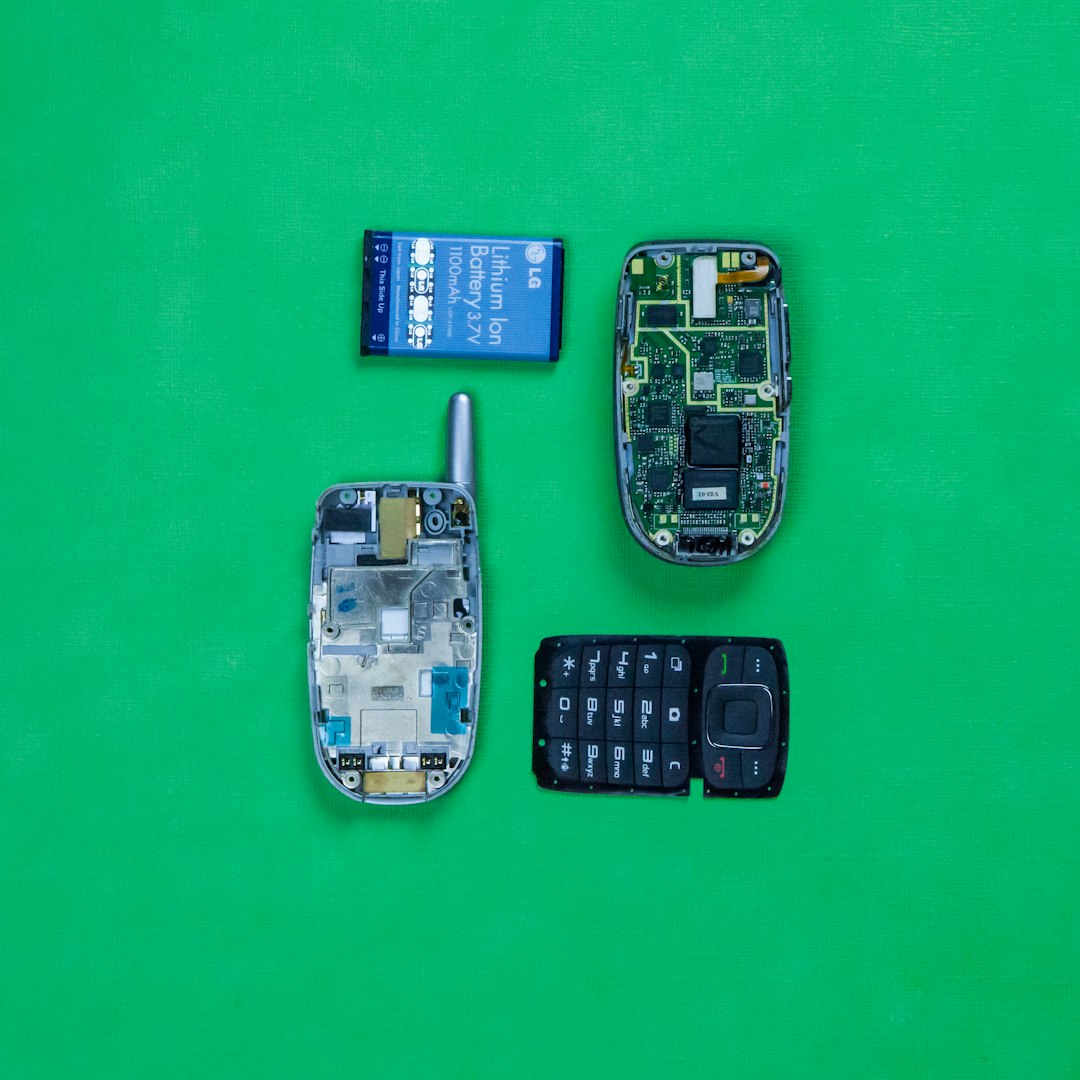
In a country where broken screens and worn-out batteries often mean buying a whole new phone, Fairphone’s value proposition is both economical and ecological.
Third-Party Interest and Workarounds
Though unavailable through official channels, some U.S. tech enthusiasts have managed to obtain Fairphones through European resellers or online marketplaces. These devices can sometimes work on U.S. networks with limited compatibility—but the experience can be inconsistent without optimized network support.
Some third-party retailers have even expressed interest in becoming authorized Fairphone distributors in North America. If these independent efforts gain traction, they could pave the way for an eventual official presence.
Opportunities for Fairphone
Given the growing interest in ethical smartphones and modular designs, the U.S. could become fertile ground for Fairphone in the near future. Some avenues for entry and growth include:
- Partnerships with eco-conscious retailers: Stores specializing in sustainable or green products may be ideal points of sale.
- Collaborations with repair hubs: Working with repair professionals to promote and provide parts for Fairphone devices.
- A pilot launch: Initially targeting tech-savvy cities or states with favorable regulations.
The Road Ahead: A Measured Hope
While the U.S. market presents a labyrinthine challenge for Fairphone, it also holds immense promise. The brand has already demonstrated that ethical manufacturing and business transparency are not just possible but profitable. If Fairphone can align with regulatory and telecom standards, it has a real opportunity to disrupt how Americans perceive and purchase smartphones.
Conclusion
Fairphone’s journey into the American market may still be in its early stages, but the momentum is building. The combination of ethical sourcing, modular design, and growing consumer awareness creates a landscape ripe for change. For now, however, U.S. consumers eager to access a Fairphone must rely on imports and workarounds, holding out hope for a more official and widespread stateside release in the future.
FAQ
- Is Fairphone available in the United States?
Fairphone is not officially available in the U.S. as of now. However, interested buyers can import it from European resellers, though network compatibility may vary. - Will Fairphone work with U.S. carriers?
Some Fairphone models can work on select U.S. networks, primarily GSM-based ones like T-Mobile and AT&T, but often with limited features and support. - Why is Fairphone considered ethical?
Fairphone focuses on conflict-free materials, fair labor practices, and environmental responsibility through a modular design that encourages repair and reduces waste. - What is a modular phone?
A modular phone has individually replaceable or upgradeable components, such as the camera or battery, making it easier to repair and more sustainable. - Are there competing modular phones in the U.S.?
Few companies offer genuinely modular phones in the U.S. market comparable to Fairphone. Most alternatives only allow limited repairs or upgrades and lack the ethical focus.