
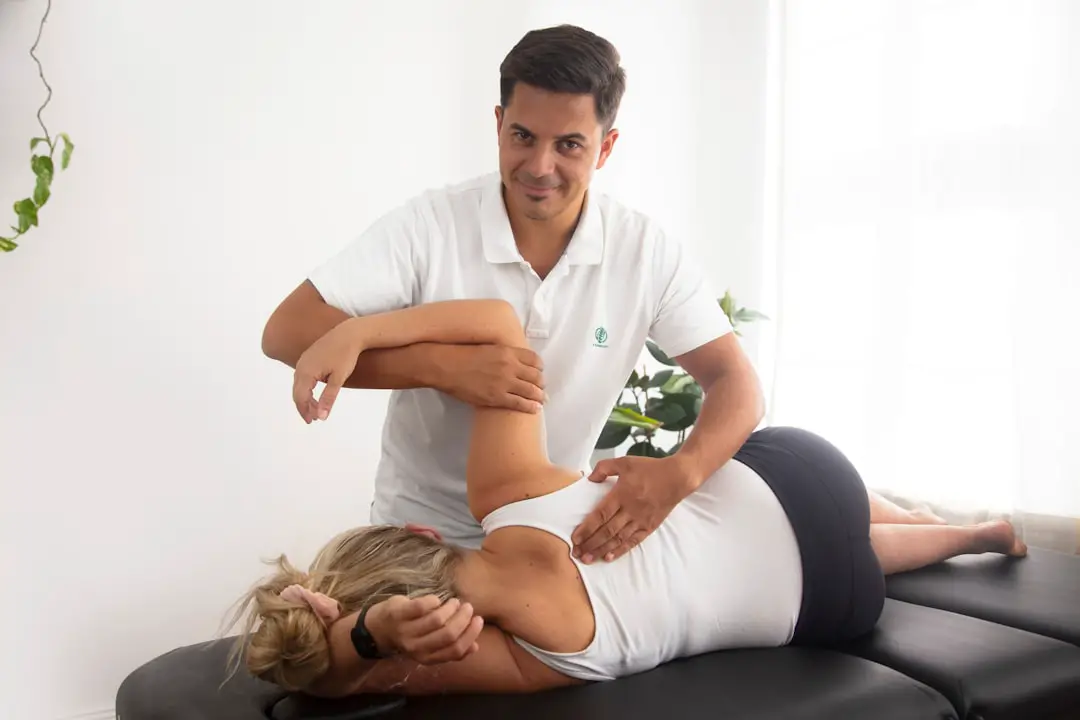
For fitness enthusiasts and serious weightlifters, muscle recovery is just as important as the workout itself. While proper nutrition and sleep are fundamental, another powerful tool often overlooked is massage — particularly couples massage. Incorporating massage into a post-training regimen may significantly accelerate muscle repair, alleviate pain, and improve long-term athletic performance, all while deepening personal connection in a shared experience.
TLDR
Massage therapy enhances muscle recovery after weight training by reducing inflammation, increasing circulation, and alleviating muscular tension. A couples massage offers the dual benefit of physical rejuvenation and emotional connection. This shared recovery routine allows both partners to motivate and support one another in their fitness journey. Whether you’re managing soreness or preventing injury, strategic massage can be a critical part of every athlete’s routine.
Understanding Muscle Recovery Post-Weight Training
When muscles are subjected to resistance training, tiny tears occur in the muscle fibers. While this sounds damaging, it’s actually the key to muscle growth — the body repairs these microtears stronger than before. However, this process involves inflammation, soreness (often known as DOMS, or Delayed Onset Muscle Soreness), and the temporary diminishment of muscle function.
Recovery is essential for:
- Repairing damaged muscle fibers
- Restoring optimal function and mobility
- Preventing injury from overuse
- Maintaining workout consistency and performance
How Massage Enhances Muscle Recovery
Massage is more than a relaxing luxury — it is a scientifically-supported recovery tool. Research consistently shows that massage can significantly reduce DOMS, break up scar tissue, and improve the general quality of muscle tissue. Below are key ways massage supports muscle recovery after weight training:
1. Improved Circulation
Better blood flow means more oxygen and nutrients are delivered to tired muscles. Massage stimulates the vascular system, which helps flush out metabolic waste such as lactic acid — known for causing post-workout soreness.
2. Reduced Muscle Tension
Muscles naturally contract during workouts; massage helps elongate and relax these fibers. This leads to better alignment, improved flexibility, and a decrease in stiffness and cramping.
3. Decrease in Inflammatory Markers
Studies indicate that massage reduces cytokine production — proteins that trigger inflammation. Lower inflammation leads to faster recovery times and less pain overall.
4. Enhanced Lymphatic Drainage
The lymphatic system is responsible for removing toxins and waste from the body. Massage therapy supports lymph movement, efficiently clearing out cellular debris caused by intense strength training.
5. Psychological Benefits
Massage also lowers cortisol levels (the stress hormone) and boosts serotonin and dopamine, which can reduce anxiety, promote relaxation, and improve sleep quality — all crucial components of recovery.
The Couples Massage Experience: Recovery Meets Relationship
A couples massage allows two individuals to enjoy massage therapy simultaneously, typically in the same room. While often marketed for romantic partners, it’s also suitable for training partners or friends who want to share a recovery experience together. For weightlifters who train as a duo, this offers a unique way to support one another physically and emotionally.
Shared Goals, Shared Recovery
Couples often train together to hold each other accountable. Sharing a recovery modality like massage helps build team spirit and reinforces a shared commitment to health. It provides uninterrupted time to reflect, recharge, and prepare for the next training session together.
Motivation Through Connection
Post-training fatigue can affect motivation levels. When one partner is struggling, a supportive atmosphere created during a couples massage can uplift and re-energize both individuals.
Boosting Hormones for Bonding
Massage can release oxytocin, known as the “bonding hormone.” This not only improves one’s mood but also deepens emotional intimacy, especially after a joint physical challenge like a tough gym session.
Key Tips for a Successful Couples Recovery Massage
- Choose a licensed massage therapist with experience in sports recovery.
- Opt for massage types like deep tissue, Swedish, or sports massage for best muscle impact.
- Schedule your massage within 24-48 hours post-training for optimal recovery benefits.
- Hydrate well before and after your session to flush residual toxins.
- Communicate preferences and problem areas clearly to the therapist.
Types of Massage Ideal for Post-Workout Relief
There are several massage techniques that can be tailored for post-training needs. Choosing the right method can significantly affect how well your body bounces back.
- Deep Tissue Massage – Targets deeper layers to break up adhesions and realign muscle tissue.
- Swedish Massage – A gentler approach using long strokes and kneading movements to lessen tension.
- Sports Massage – Typically blends deep pressure and stretching, customized for athletic recovery.
- Myofascial Release – Focuses on the connective tissue (fascia) around muscles to reduce tightness and improve range of motion.

Long-Term Benefits of Routine Massage for Lifters
Making massage a regular part of one’s training cycle delivers long-term advantages:
- Improved muscle tone and elasticity
- Reduced injury rates due to increased flexibility
- Enhanced mobility and joint health
- Faster recovery between sessions allowing higher training frequency
- Elevated mood and mental resilience
Many professional athletes and bodybuilders integrate massage into their weekly routine, recognizing its importance not just for immediate pain relief, but for its strategic role in building long-term physical resilience.
FAQs About Massage and Muscle Recovery
1. How soon after weight training should I get a massage?
It’s ideal to schedule a massage within 24 to 48 hours after intense training. This helps prevent severe soreness and supports efficient muscle repair.
2. Is couples massage as effective as individual massage for recovery?
Yes. The method used during the massage is what determines its effectiveness — not the number of people in the room. A couples massage can be just as effective if both individuals receive quality, technique-driven therapy.
3. Can massage replace stretching or active recovery routines?
No. Massage is a supplement, not a substitute. It works best combined with mobility work, proper sleep, and hydration.
4. Should I avoid massage if I’m very sore?
No, but choose a gentler method like Swedish massage to prevent intensifying the pain. Always inform your therapist of your soreness level beforehand.
5. How frequently should weightlifters get massages?
For most active individuals, 1-2 times per month is sufficient. Competitive athletes may benefit from weekly treatments during peak training periods.
Final Thoughts
In the world of strength training, recovery is where progress truly happens. Massage therapy — especially when shared with a partner — offers a powerful, holistic approach to muscle repair. By investing in regular couples massages, athletes not only optimize their physical conditioning but also reinforce their emotional bonds, making the journey to peak performance a shared and deeply rewarding experience.