
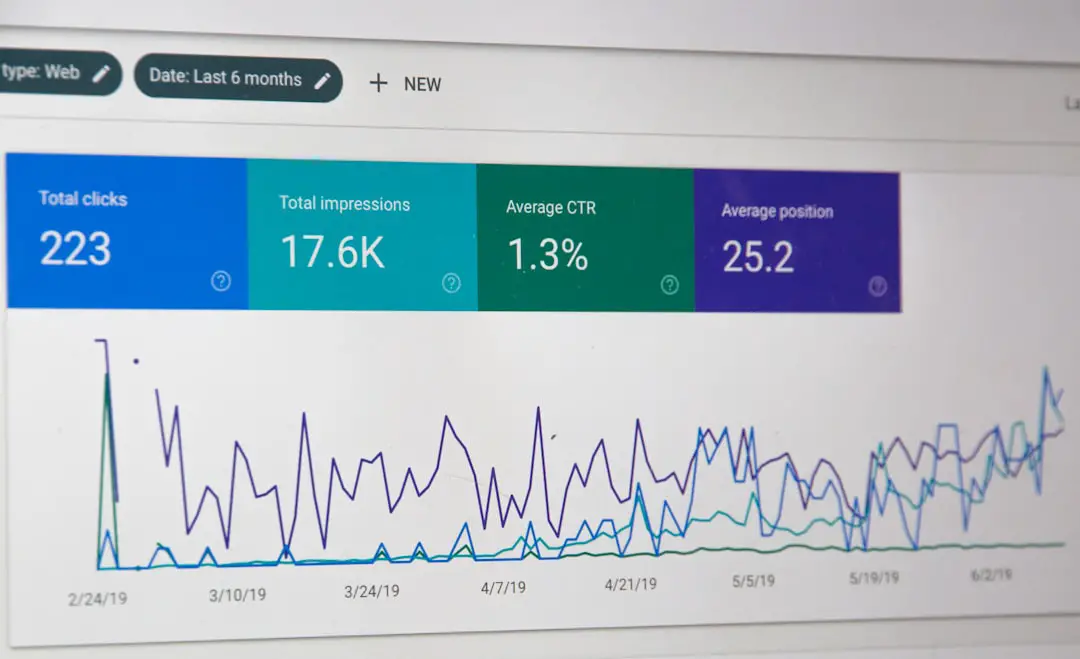
An SEO landing page is built to attract qualified organic traffic and convert that traffic into a measurable action, such as a lead, purchase, signup, or consultation request. Unlike a general website page, it focuses on one search intent, one core topic, and one primary conversion goal.
TLDR: A strong SEO landing page combines keyword intent, useful content, fast performance, persuasive copy, and clear calls to action. For example, a local accounting firm targeting “small business tax advisor in Austin” could create a dedicated landing page with service details, testimonials, FAQs, and a booking form. If the page improves its click-through rate from 2% to 4% and converts 6% of visitors, 1,000 monthly organic visits could generate around 60 leads. The best results usually come from optimizing both search visibility and user experience together.
1. Start with Clear Search Intent
Every effective SEO landing page begins with understanding why a person is searching. Search intent usually falls into one of four categories: informational, commercial, navigational, or transactional. A landing page designed to rank and convert should match the intent behind the keyword as closely as possible.
For example, a page targeting “best CRM for real estate agents” should compare benefits, features, pricing considerations, and use cases. A page targeting “real estate CRM free trial” should move faster toward signup, demos, and product proof. When intent and content are misaligned, visitors often leave quickly, which can reduce engagement and conversions.
- Informational intent: The visitor wants to learn something.
- Commercial intent: The visitor is comparing options.
- Transactional intent: The visitor is ready to act.
- Local intent: The visitor wants a nearby provider or service.
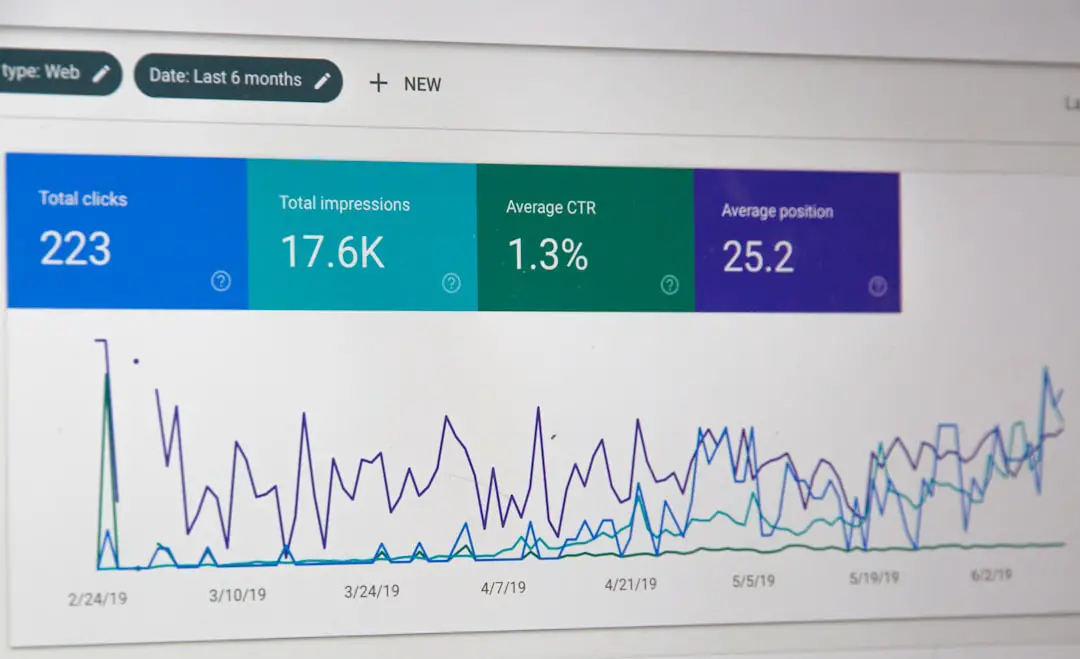
2. Choose One Primary Keyword and Supporting Keywords
An SEO landing page should not attempt to rank for every possible phrase. Instead, it should focus on one primary keyword and several closely related secondary keywords. This gives the page a clear topic and helps search engines understand its purpose.
The primary keyword should appear naturally in important areas such as the title tag, meta description, main heading, first paragraph, URL, image alt text, and some subheadings. However, repetition should feel natural. Search engines now evaluate meaning, context, and usefulness, not just exact keyword frequency.
Supporting keywords may include synonyms, questions, related services, industry terms, and location modifiers. For a landing page about “SEO services for dentists,” supporting terms might include dental SEO agency, local SEO for dental clinics, and dentist website optimization.
3. Create a Simple, Search-Friendly Structure
Structure affects both readability and SEO. A clear layout helps visitors scan quickly and helps search engines understand the hierarchy of information. The page should use one main heading, logical subheadings, short paragraphs, and visible conversion points.
A common SEO landing page structure includes:
- Hero section: A concise value proposition, supporting sentence, and call to action.
- Problem statement: A short explanation of the visitor’s challenge.
- Solution overview: How the product, service, or offer solves the problem.
- Benefits: Clear outcomes rather than vague features.
- Proof: Reviews, case studies, statistics, certifications, or client logos.
- FAQ section: Answers to common objections and search questions.
- Final CTA: A direct next step, such as booking, buying, or requesting a quote.
4. Write Copy That Serves Both Users and Search Engines
Good landing page copy should be persuasive without feeling exaggerated. It should explain what is offered, who it is for, why it matters, and what action should happen next. The strongest pages usually connect benefits to specific user needs.
Instead of saying, “The company offers advanced marketing solutions,” a stronger sentence would be, “The platform helps ecommerce teams recover abandoned carts, segment customers, and increase repeat purchases.” Specific language is easier to trust and more useful for SEO.
Landing page copy should also include trust-building elements. These may include:
- Customer testimonials
- Industry awards or certifications
- Before-and-after metrics
- Security badges or guarantees
- Clear pricing or process explanations

5. Optimize Meta Tags and URL
The title tag and meta description influence how the page appears in search results. A strong title tag should include the primary keyword and a reason to click. It should generally remain concise, while the meta description should summarize the value of the page in a compelling way.
For example, a page targeting “email marketing software for nonprofits” might use a title such as Email Marketing Software for Nonprofits | Grow Donor Engagement. The meta description could mention donor segmentation, automated campaigns, and a free demo.
The URL should also be readable and relevant. A clean URL such as /seo-landing-page-services/ is better than a long string of numbers or unrelated words. Short, descriptive URLs are easier for people to understand and easier to share.
6. Improve Page Speed and Mobile Experience
Technical performance is an important part of SEO landing page success. If a page loads slowly, visitors may leave before reading the offer. Mobile performance is especially important because many searches happen on smartphones.
A well-optimized landing page should use compressed images, efficient code, reliable hosting, and minimal unnecessary scripts. Buttons should be easy to tap, forms should be short, and text should be readable without zooming.
Core user experience elements include:
- Fast load time: Ideally under three seconds.
- Responsive layout: Smooth display across desktop, tablet, and mobile.
- Accessible design: Clear contrast, readable fonts, and descriptive labels.
- Simple forms: Only essential fields should be requested.
7. Add Internal Links and Helpful External Context
Internal links help distribute authority across a website and guide visitors toward related resources. An SEO landing page may link to relevant blog posts, service pages, case studies, pricing pages, or comparison guides. These links should support the visitor journey rather than distract from the main conversion goal.
External links can also be useful when they point to credible sources, such as research studies, industry standards, or official statistics. However, they should be used carefully so the page does not send visitors away too early in the decision process.
8. Use Conversion-Focused CTAs
A landing page should have one primary call to action. This might be Get a Free Quote, Book a Demo, Start a Trial, or Download the Guide. The CTA should appear near the top of the page, after key persuasive sections, and again near the end.
Effective CTAs are clear, action-oriented, and connected to value. A button that says “Get My SEO Audit” is usually stronger than a generic “Submit”. The surrounding copy should reduce friction by explaining what happens after the click.
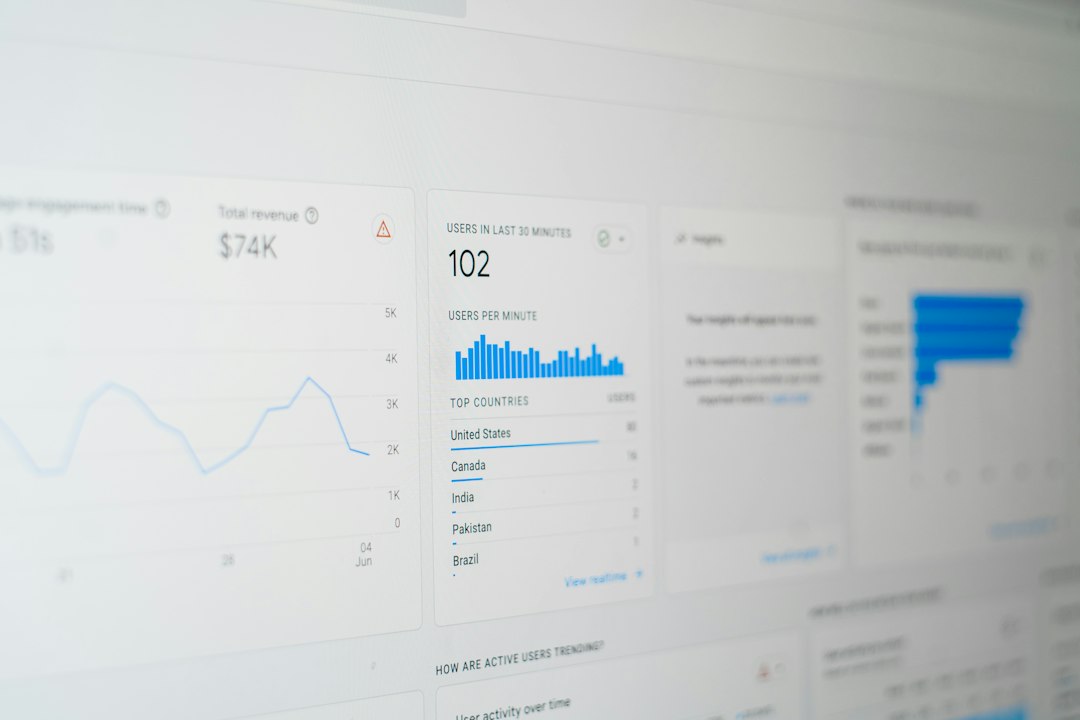
9. Measure Results and Improve Over Time
An SEO landing page should not be treated as finished after publication. Performance data can reveal what needs improvement. Key metrics include impressions, rankings, click-through rate, bounce rate, scroll depth, form submissions, conversion rate, and revenue generated.
If a page receives traffic but few conversions, the offer, CTA, trust signals, or form may need adjustment. If conversions are strong but traffic is low, keyword targeting, content depth, internal linking, or backlinks may need work. Continuous testing often produces better results than a single launch.
FAQ
What is an SEO landing page?
An SEO landing page is a focused web page designed to rank in search engines and convert organic visitors into leads, customers, subscribers, or another defined action.
How long should an SEO landing page be?
The ideal length depends on search intent and competition. Many effective pages range from 700 to 1,500 words, but the content should be as long as needed to answer the visitor’s questions clearly.
How many keywords should an SEO landing page target?
A page should target one primary keyword and a small group of related secondary keywords. This keeps the topic focused while allowing the page to rank for variations.
Are landing pages good for local SEO?
Yes. Location-based landing pages can perform well when they include relevant local terms, service details, business information, reviews, and location-specific content.
What makes an SEO landing page convert better?
Higher-converting pages usually have a clear value proposition, strong trust signals, fast loading speed, persuasive copy, simple forms, and repeated calls to action placed at natural decision points.