

Your phone is not evil. Your apps are not tiny villains in colorful squares. But they are very good at getting your attention. One minute you check a message. The next minute you are watching a raccoon wash grapes, a stranger clean a fridge, and a guy explain why ancient Romans would love energy drinks. Time has melted. Your brain is buzzing. Your thumb needs a nap.
TLDR: You can reduce screen time without deleting your favorite apps. The trick is to add small speed bumps, not giant walls. Make your phone less tempting, plan when you scroll, and give your brain better rewards. Start with one or two ideas, then build from there.
First, What Is Dopamine Scrolling?
Dopamine scrolling is when you keep scrolling because your brain wants the next tiny reward. A funny video. A shocking post. A like. A message. A sale. A cute dog in sunglasses.
Dopamine is a brain chemical linked to motivation and reward. It helps you chase things. Food. Goals. Fun. Social connection. This is normal. This is human.
But apps are built to make the chase feel endless. There is always one more post. One more reel. One more notification. Your brain says, maybe the next one will be great. So you keep going.
The goal is not to hate your phone. The goal is to use it on purpose. You want to choose the scroll. Not fall into it like a trapdoor.
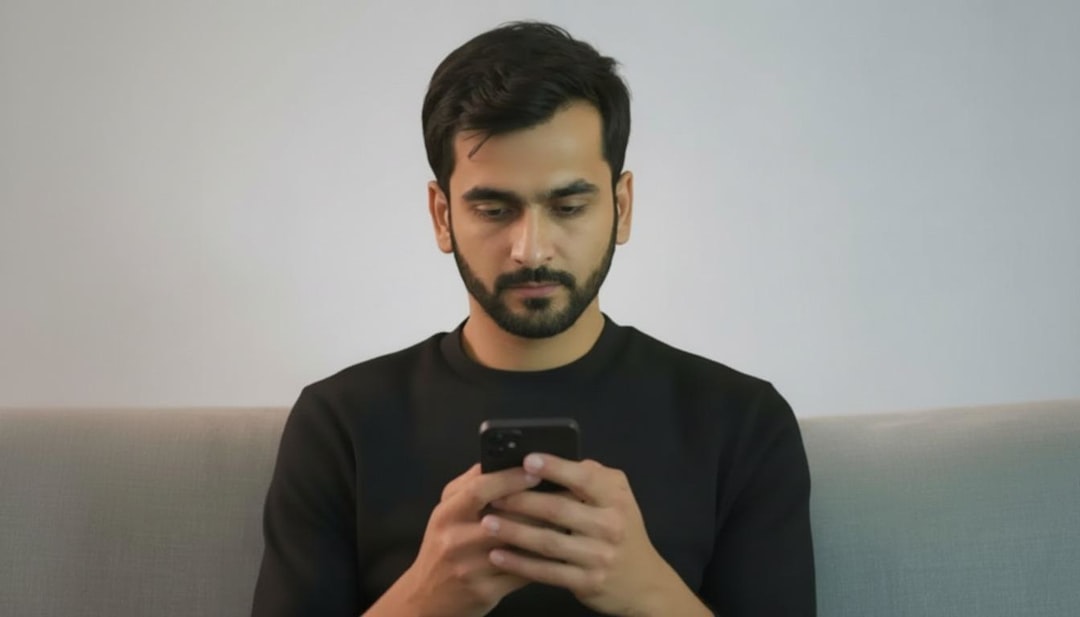
Do Not Delete Everything
Deleting apps can help some people. But it can also feel dramatic. Like throwing away all snacks because you ate one cookie. That often leads to a rebound.
You may reinstall the app later. Then you may scroll even harder. Now the app feels like forbidden treasure. Your brain loves forbidden treasure.
Instead, try friction. Friction means you make the habit a little harder. Just enough to pause. Just enough to ask, Do I really want this right now?
Think of it like putting cookies on a high shelf. You can still eat them. But you must stand up first. That tiny pause matters.
Move Your Apps Somewhere Boring
Your home screen should not look like a candy store. If your favorite apps are right there, your thumb will tap them by muscle memory.
Try this:
- Move social apps off the first screen.
- Put them in a folder called Later.
- Place that folder on the last screen.
- Remove app widgets that show fresh posts.
- Keep useful apps on the front page.
Useful apps include maps, camera, notes, calendar, music, and calls. The apps that steal time can live in the back row. Like noisy guests at a party.
This does not block you. It only slows you down. That is the magic.
Turn Off the Tiny Bait
Notifications are not friendly little bells. Many are hooks. They say, Come see what happened! Even when nothing important happened.
Turn off most notifications. Keep only the ones that matter.
You might keep:
- Calls from family.
- Messages from close friends.
- Work alerts during work hours.
- Bank or safety alerts.
You can turn off:
- Likes.
- Comments.
- Suggested posts.
- Shopping deals.
- Breaking news that is not truly urgent.
Your phone should not shout all day. It should knock politely when needed.
Use “Check In” Times
Do not tell yourself, “I will never scroll.” That sounds hard. Try this instead: schedule scrolling.
Pick two or three check in times. For example:
- 10 minutes after lunch.
- 15 minutes after work.
- 10 minutes in the evening.
Now your brain knows the app is not gone. It has an appointment. This lowers the panic feeling. It also makes scrolling feel like a choice.
Set a timer. When it rings, stop. If stopping feels hard, stand up. Physical movement breaks the trance. Walk to another room. Drink water. Look out a window. Wave at a tree like a normal hero.
Make Your Phone Less Delicious
Apps are colorful for a reason. Bright colors pull attention. Red badges scream. Videos autoplay. Everything sparkles.
You can make your phone less tasty to your brain.
- Turn on grayscale.
- Disable autoplay when possible.
- Hide notification badges.
- Use a plain wallpaper.
- Lower screen brightness at night.
Grayscale is especially funny. Suddenly your phone looks like a sad newspaper. Still useful. Much less snackable.
Create a Scroll Landing Pad
Most dopamine scrolling starts in weird little gaps. Waiting for coffee. Standing in line. Sitting on the bed. Avoiding a task. Feeling awkward in an elevator.
Create a “landing pad” for those moments. This means a list of things you can do instead that take one to five minutes.
Try these:
- Take five deep breaths.
- Stretch your neck.
- Text one real friend.
- Write one sentence in notes.
- Read one page of a book.
- Look around and name five blue things.
- Clean one tiny surface.
This sounds too simple. Good. Simple works when your brain is tired. You do not need a full life makeover. You need a tiny off ramp.
Ask the Magic Question
Before opening an app, ask:
“What am I here to do?”
Say the answer out loud if you can. Yes, you may feel silly. Do it anyway.
Examples:
- “I am here to reply to Sam.”
- “I am here to post one photo.”
- “I am here to check the event time.”
- “I am here to watch two videos, then stop.”
This gives your scrolling a mission. Without a mission, the app gives you one. Its mission is usually, “Stay forever, little thumb goblin.”
Use App Limits, But Make Them Gentle
App limits can help. But do not make them too strict at first. If you set your limit to five minutes and usually scroll for three hours, your brain may revolt.
Start with a limit that feels possible. If you scroll two hours a day, try ninety minutes. Then lower it later.
Use built in tools like screen time settings, focus modes, or app timers. Add a passcode if needed. Better yet, ask someone you trust to set the passcode. Choose a kind person. Not your most chaotic friend.
When the limit appears, treat it as a stop sign. Not a challenge. Not a boss fight. A stop sign.
Give Your Hands Something Else to Do
Sometimes you scroll because your hands are bored. This is real. Hands enjoy having jobs.
Try a replacement:
- Hold a warm drink.
- Use a stress ball.
- Doodle on paper.
- Fold laundry while listening to music.
- Pet an animal.
- Cook something simple.
Your brain may still want entertainment. Fine. Listen to a podcast. Play music. Call someone. The key is to stop pairing every tiny feeling with a screen.
Build a Better Reward Menu
If you remove scrolling, you need rewards. Otherwise life feels like plain oatmeal with no toppings.
Make a reward menu. Keep it easy. Keep it real.
- Fast rewards: tea, music, fresh air, stretching, a funny memory.
- Medium rewards: a walk, a shower, a hobby, a snack, a short nap.
- Big rewards: dinner with friends, a movie night, a day trip, a class.
Your brain is not wrong for wanting pleasure. It just needs more flavors. Scrolling is one flavor. There are others.

Change Your Morning
The first thing you do in the morning sets the tone. If you start with scrolling, your brain gets a giant bowl of digital cereal. Then normal life feels slow.
Try a simple morning rule:
No social apps for the first 20 minutes.
During those 20 minutes, do basic human things:
- Drink water.
- Use the bathroom.
- Open curtains.
- Make your bed badly but proudly.
- Eat something.
- Step outside for one minute.
You do not need a perfect morning routine. You are not training for a monk Olympics. Just give your brain a calm start.
Protect Your Bed Like a Sleep Castle
Bed scrolling is sneaky. You are tired. Your willpower is mush. The algorithm is wide awake. This is not a fair fight.
Make your bed a phone light zone, not a phone trap.
- Charge your phone across the room.
- Use a real alarm clock if you can.
- Set night mode one hour before sleep.
- Keep a book or notebook near the bed.
- Use audio instead of video if you need comfort.
If you must use your phone in bed, set a timer for ten minutes. Then put it down. Future you wants sleep. Future you has meetings, errands, and feelings.
Make It Social
Tell a friend what you are trying. Not in a dramatic way. Just say, “I am trying to scroll less this week.”
You can also make tiny group rules:
- No phones during the first 20 minutes of dinner.
- Phones face down during movies.
- One person can call out “scroll hole” when everyone vanishes.
- Send voice notes instead of endless app hopping.
Social support helps because phones are social too. You are not only fighting an app. You are fighting a habit loop. Loops are easier to change with company.
Do Not Aim for Perfect
You will still scroll too much sometimes. Of course you will. You are a person, not a productivity robot with shoes.
When it happens, do not spiral. Do not say, “I failed, so I might as well keep going.” That is the trap.
Instead, say:
“That was a long scroll. What triggered it?”
Maybe you were tired. Lonely. Stressed. Avoiding work. Needing fun. Needing rest. The scroll is often a signal. Listen to it.
A Simple 7 Day Plan
Want a quick start? Try this plan.
- Day 1: Move distracting apps off your home screen.
- Day 2: Turn off nonessential notifications.
- Day 3: Set two planned scrolling times.
- Day 4: Use grayscale for one hour.
- Day 5: Keep your phone away during one meal.
- Day 6: Protect the first 20 minutes of your morning.
- Day 7: Review what worked. Keep the best two changes.
Small wins count. A little less scrolling is still progress. Ten minutes saved each day becomes more than an hour a week. That is time for a walk, a call, a hobby, or staring peacefully at a wall. Wall staring is underrated.
The Real Goal
The goal is not to become a person who never uses apps. Apps can be fun. They can teach you things. They can connect you with people. They can show you soup recipes and dancing parrots. This is not a tragedy.
The goal is to stop feeling pulled around. You want your attention back. You want your time back. You want to open an app, enjoy it, and leave before your soul becomes a loading spinner.
Start small. Add friction. Turn off bait. Plan your scrolls. Give your brain other rewards. Keep your favorite apps, but make them behave like guests. They can visit. They do not get to move in, eat all your snacks, and sleep on your couch.