
Use the assumptive close when the buyer has shown clear intent, then use Gong or Chorus.ai to prove whether your wording actually lifts win rates. The move works best near the end of a strong call, after pain, budget, timing, and next steps are clear. Gong has reported that successful discovery calls often include 11 to 14 targeted questions, which matters because the assumptive close falls flat when reps skip discovery [source: Gong].
TLDR: The assumptive close means speaking as if the buyer is ready to move forward, without being pushy. For example: “Let’s get the pilot date on the calendar for next Tuesday, assuming legal does not see any issues.” If a 12 rep team uses Gong or Chorus.ai to review 200 calls, then finds that reps who confirm next steps with assumptive language win 18% more late stage deals, that becomes a coaching playbook. Gong is stronger for deep call analytics and sales coaching; Chorus.ai is strong for CRM visibility, deal notes, and team-wide call review.
What the assumptive close really means
The assumptive close is not a trick. It is a confident next step. The rep acts as if the buyer has already agreed in principle, then checks for resistance.
Bad version:
- “So, should I send the contract?”
Better version:
- “I’ll send the order form today and set the start date for the 15th. Does that match your internal timeline?”
The second line works because it assumes progress, but still gives the buyer room to correct the plan. That is the sweet spot. It sounds calm. It sounds organized. It does not sound desperate.
The danger is using it too early. If the buyer has not shared pain, urgency, money, or authority, an assumptive close feels like a shortcut. Buyers spot that fast. Honestly, it feels like the rep is trying to skip the hard part.

When to use it in a sales call
Use the assumptive close after you hear buying signals. These signals may sound small, but they matter.
- Timeline signal: “We need something in place by Q2.”
- Budget signal: “This fits the range we planned for.”
- Stakeholder signal: “I need to show this to finance.”
- Technical signal: “Can this connect to Salesforce?”
- Risk signal: “What happens if adoption is slow?”
Once those signals appear, shift from asking for vague interest to setting a concrete action.
Try these lines:
- “I’ll block 30 minutes with your finance lead and our solutions consultant. Does Thursday morning work?”
- “Let’s treat this as a 60 day pilot. I’ll map the success criteria before we send paperwork.”
- “Assuming procurement is the only open item, I’ll send the security packet today.”
- “I’ll outline the rollout plan for the first three teams, then we can review it with your VP.”
The wording matters. You are not saying, “You are buying, right?” You are saying, “Here is the logical next step based on what you told me.”
How Gong helps improve the assumptive close
Gong is excellent when managers want to inspect call patterns at scale. It records calls, transcribes them, tracks themes, and helps teams compare winning calls to losing calls. That is useful because most sales teams argue from memory. Gong lets them argue from call data.
For the assumptive close, Gong can help answer questions like:
- How often do top reps ask for a specific next step?
- Which closing phrases appear in won opportunities?
- Do reps use assumptive language before or after pricing?
- How much buyer talk time happens before the close?
- Which objections appear after the assumptive close?
If your team has 1,000 recorded calls, Gong can help managers find patterns that would be painful to spot manually. You may see that won deals include a clear next step in the final five minutes, while lost deals end with weak lines like, “Let me know what you think.”
That phrase should make every sales manager twitch. It gives the buyer homework and gives the rep nothing.
Gong is also strong for coaching moments. A manager can clip a strong assumptive close and add it to a playlist. New reps can hear how tone changes the outcome. A calm close sounds helpful. A rushed close sounds like quota panic.
The annoying part? Gong can feel heavy if all you need is quick call review. Expect to spend time setting up trackers, filters, and dashboards before the data feels clean. It pays off, but not instantly.
How Chorus.ai helps improve the assumptive close
Chorus.ai, now part of ZoomInfo, is also built around conversation intelligence. It records and transcribes calls, identifies topics, and helps teams review sales conversations. It tends to fit well when teams want call insights tied closely to prospecting, account data, and CRM activity.
For assumptive closing, Chorus.ai can help reps and managers inspect moments such as:
- When the rep moved from discovery to next steps
- Whether the buyer agreed, paused, or raised a concern
- Which competitors came up before the close
- Whether pricing created hesitation
- Whether follow-up emails matched the spoken next step
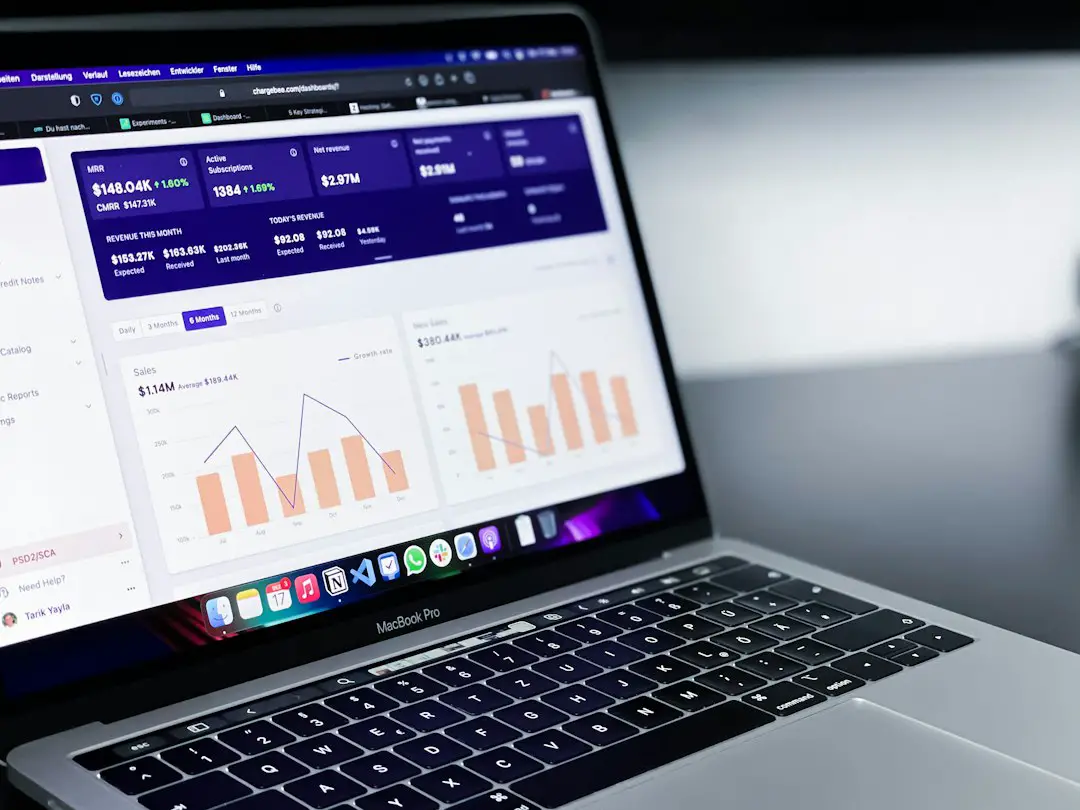
Chorus.ai can be especially helpful for handoffs. If an account executive closes a discovery call with, “I’ll bring in our implementation lead next week,” the customer success or solutions team can review that exact moment. No guessing. No loose notes. No “Wait, what did the buyer actually ask for?”
One frustration is that search and tagging can vary by setup. If the team uses messy naming rules, finding every example of an assumptive close may take longer than expected. A 20 second search can turn into five minutes of filtering. That gets old fast.
Gong vs. Chorus.ai: which one is better for win rates?
Choose Gong if your main goal is coaching reps with deep call analysis. It is strong for spotting repeat behaviors across large call volumes. If managers want to compare top performers, track talk trends, and build coaching libraries, Gong is hard to beat.
Choose Chorus.ai if your team wants call review tied closely to account data, pipeline notes, and go-to-market workflows. It works well for teams that care about shared visibility across sales, marketing, and customer success.
Here is a simple way to compare them:
- Best for coaching depth: Gong
- Best for broad revenue team visibility: Chorus.ai
- Best for analyzing closing language: Gong
- Best for connecting calls to account activity: Chorus.ai
- Best for newer teams: Chorus.ai may feel easier if the process is simple
- Best for mature sales orgs: Gong often gives richer coaching data
A practical workflow for sales managers
Do not roll this out as a vague “be more confident” coaching tip. That advice is useless. Build a simple system.
- Define the close. Pick three approved assumptive close phrases.
- Tag examples. Use Gong or Chorus.ai to mark calls where reps used those phrases.
- Compare outcomes. Check meeting booked rate, proposal sent rate, and closed won rate.
- Review tone. Listen for rushed, nervous, or overly aggressive delivery.
- Coach weekly. Use two good clips and one weak clip in team training.
Track the right numbers. Do not only measure closed won deals. That takes too long. Measure next step conversion. If 42% of calls with weak endings create a follow-up meeting, but 57% with assumptive closes do, you have a coaching signal.

Common mistakes to avoid
The assumptive close can backfire. Watch for these problems:
- Closing before discovery: The buyer feels pushed.
- Ignoring objections: Confidence turns into pressure.
- Using vague next steps: “Circle back” is not a plan.
- Skipping mutual confirmation: Always ask if the plan matches their process.
- Copying scripts word for word: Reps need natural phrasing.
The best assumptive close sounds like a helpful recap. It links the buyer’s problem to a clear action. Gong and Chorus.ai make that teachable. They show what was said, when it was said, and what happened next.
If you want sharper coaching and better pattern detection, pick Gong. If you want strong call visibility across the revenue team, pick Chorus.ai. Either way, the real win comes from one habit: stop ending calls with hope, and start ending them with a clear next step.