
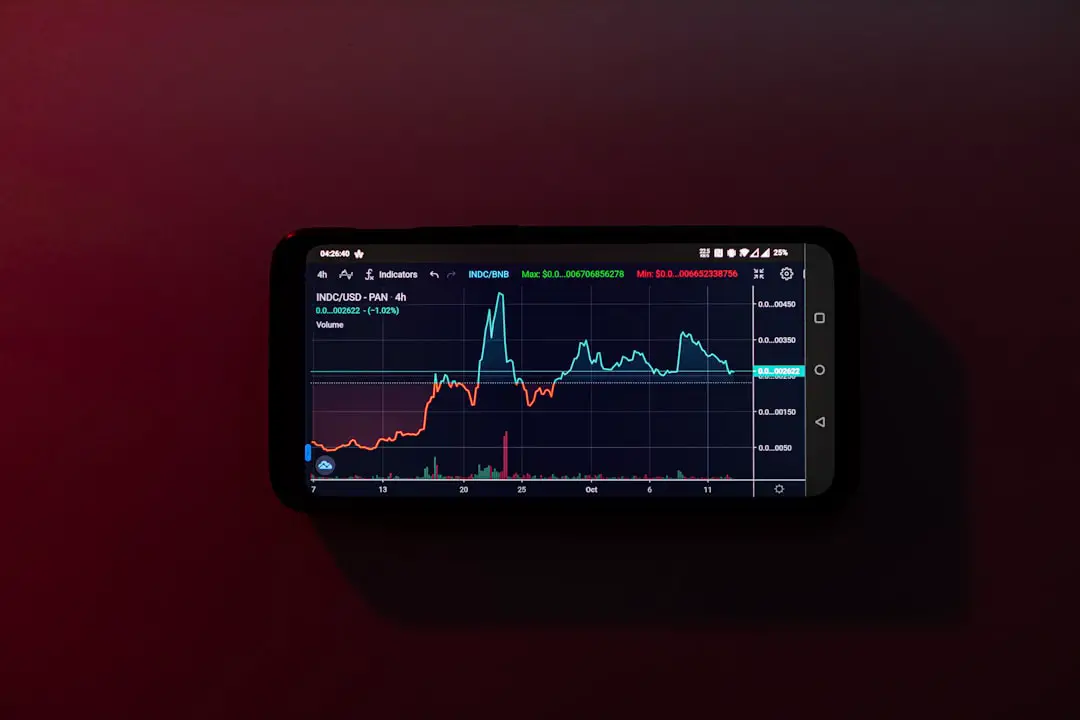
Over the past year, investors in the pharmaceutical services sector have kept a close watch on Indegene Limited. Known for its deep expertise in healthcare solutions powered by digital transformation, Indegene’s recent share price movements have prompted concern. As we approach 2026, a significant dip in the company’s share price has led analysts and stakeholders alike to ask: What’s behind the drop, and what could be next for Indegene?
TL;DR
Indegene’s stock price has seen a notable decline over the past several months due to several factors, including industry-wide pressures, slowing revenue growth, and global economic headwinds. Despite its strong foundation in digital healthcare services, the company faces increased competition and rising investor expectations. As we look toward 2026, Indegene’s future hinges on strategic pivots in innovation, expansion, and investor confidence. Stakeholders should stay alert to key performance indicators and broader economic trends in the life sciences sector.
Understanding the Decline in Indegene’s Share Price
The downturn in Indegene’s share price did not happen overnight. Several interrelated elements have contributed to the company’s downward trajectory in recent quarters.
1. Post-IPO Performance and Investor Sentiment
Following its well-anticipated IPO, Indegene entered the public market with a strong valuation. Yet, as with many freshly-listed firms, the pressure to deliver consistent earnings and quarter-on-quarter revenue growth exposed internal and external vulnerabilities. Investors, accustomed to tech-sector returns, began reevaluating their expectations, especially as Indegene’s earnings growth failed to match initial projections.
2. Global Market Volatility
Macroeconomic pressures like inflation, interest rate hikes, and ongoing geopolitical tensions have created a bearish environment for many sectors, including healthcare services. Even as pharmaceutical companies remained somewhat recession-resistant, support services such as clinical analytics and digital transformation—Indegene’s strength areas—faced budget reallocations and slower contract renewals.
3. Rising Competition in Digital Health Services
Indegene operates in a sector where rapid innovation and changing regulatory landscapes can quickly alter competitive dynamics. Emerging startups with cutting-edge AI-driven platforms are offering similar solutions at reduced costs. Larger global players have also strengthened their digital strategies, making it increasingly challenging for Indegene to maintain a high-margin edge.

Strategic Challenges and Company Response
Perhaps more concerning for long-term investors are the internal challenges Indegene continues to grapple with. While the company has maintained claims about innovation and global scaling, execution appears out of sync with competitive pressures.
- Delayed Product Launches: Several new offerings aimed at engaging global pharmaceutical firms were either delayed or launched with limited uptake, impacting projected revenues.
- Talent Retention: Retaining digital expertise, especially AI and data analytics professionals, has proven difficult amid poaching from tech-first healthcare startups.
- Limited Footprint in New Markets: Geographic diversification plans into markets like Latin America and Japan have yet to yield significant breakthroughs.
Despite these hurdles, Indegene has signaled renewed focus in a few core areas, such as AI-integrated patient engagement and automated regulatory compliance services. These shifts may help stabilize earnings ahead of 2026.
Looking Ahead to 2026: What Investors Can Expect
While the current outlook may seem bleak, there are viable paths forward for Indegene. Their ability to recover and flourish in the next 18-24 months will largely depend on a few strategic and market-aligned initiatives.
1. Reinforcing Core Competencies
Industry analysts observe that doubling down on services where Indegene holds an established market share—like real-world evidence analytics and omnichannel medical marketing—could help rebuild investor confidence. Higher margins and better scalability in these verticals would provide much-needed revenue quality.
2. Strategic Alliances and M&A Activity
Partnering with, or acquiring, specialized firms in AI healthcare and life sciences platforms could generate renewed interest. Past M&A moves in this space have historically led to value creation if well-integrated.
3. Transparent Investor Communication
Rebuilding trust in the equity market requires clear guidance and evidence of traction. Updated quarterly targets, operational KPIs, and clear capital allocation strategies could help regain favor with institutional investors.

Sector Trends That Could Help or Hurt
Beyond the company-specific dynamics, the broader healthcare services landscape will play a significant role in Indegene’s future. Here are a few trends to watch:
- Decentralized Trials: As regulatory bodies look favorably on decentralized clinical trials, service providers like Indegene may have more opportunities in managing these digital frameworks.
- AI in Healthcare: Increased adoption of AI and machine learning is both a competitive challenge and a potential growth lever, depending on Indegene’s innovation strategy.
- Regulatory Tightening Globally: Any increase in regulatory oversight, especially in the EU or U.S., could slow down the adoption of IT platforms, depending on compliance readiness.
What Should Investors Do?
Individual and institutional investors must take a balanced view. While caution is wise given the recent downward trend and industry volatility, there remains latent potential in Indegene’s business model and market positioning.
Short-term investors may continue to see volatility as the company aligns execution with promises. Long-term shareholders, however, might appreciate the opportunity for value investing, particularly if Indegene strengthens its leadership narrative and execution in fiscal 2025.
Conclusion
There’s no denying that the drop in Indegene’s share price has raised red flags among financial circles. The company stands at a crossroads—either it evolves rapidly to meet sector realities or risks being overtaken by more agile competitors. Nonetheless, a clear roadmap to reestablish growth, coupled with strategic decision-making and transparent leadership, could shift momentum positively before 2026.
Frequently Asked Questions (FAQ)
- Q: Why is Indegene’s share price dropping?
A: The decline is due to a mix of global economic instability, rising competition in digital healthcare, missed growth projections, and strategic execution challenges. - Q: Is Indegene a safe investment for 2026?
A: While short-term volatility is expected, long-term investment could be promising if the company realigns its strategy and execution effectively. - Q: What sectors is Indegene focusing on for future growth?
A: The company is placing emphasis on AI-powered healthcare solutions, real-world evidence analytics, and automated regulatory affairs platforms. - Q: How is global healthcare disruption affecting Indegene?
A: Budget cuts and changing procurement strategies from big pharma firms are slowing down contract renewals, directly impacting Indegene’s service revenue. - Q: What should investors watch for going into 2026?
A: Keep an eye on quarterly earnings reports, partnerships or acquisitions, new platform launches, and any change in board or C-suite leadership that signals renewed direction.