
In recent years, an increasing number of individuals have been crossing borders in search of a perfect smile. With the rising costs of cosmetic dentistry in countries like the United States, Canada, and parts of Western Europe, patients are turning to destinations such as Mexico, Thailand, Turkey, and Hungary for more affordable dental procedures. This growing trend, widely known as dental tourism, is promising significant savings—but not without raising concerns.
TLDR:
Dental tourism offers considerably lower costs and quick access to popular cosmetic procedures such as veneers, implants, and whitening. While it may seem like an attractive alternative to high-priced dental care at home, it carries notable risks including lower regulatory standards, follow-up complications, and legal uncertainties. Doing thorough research and choosing trusted clinics is essential. Dental tourism can be worth it, but only if safety, quality, and continuity of care are prioritized.
Why Is Dental Tourism on the Rise?
Cosmetic dentistry in many developed countries is often not covered by insurance and can cost thousands of dollars. Patients facing long wait times and high fees are understandably searching for more accessible options. In contrast, clinics abroad often offer:
- 60-70% lower costs compared to domestic prices
- Shorter wait times and more efficient scheduling
- All-inclusive packages including hotel, transportation, and treatment
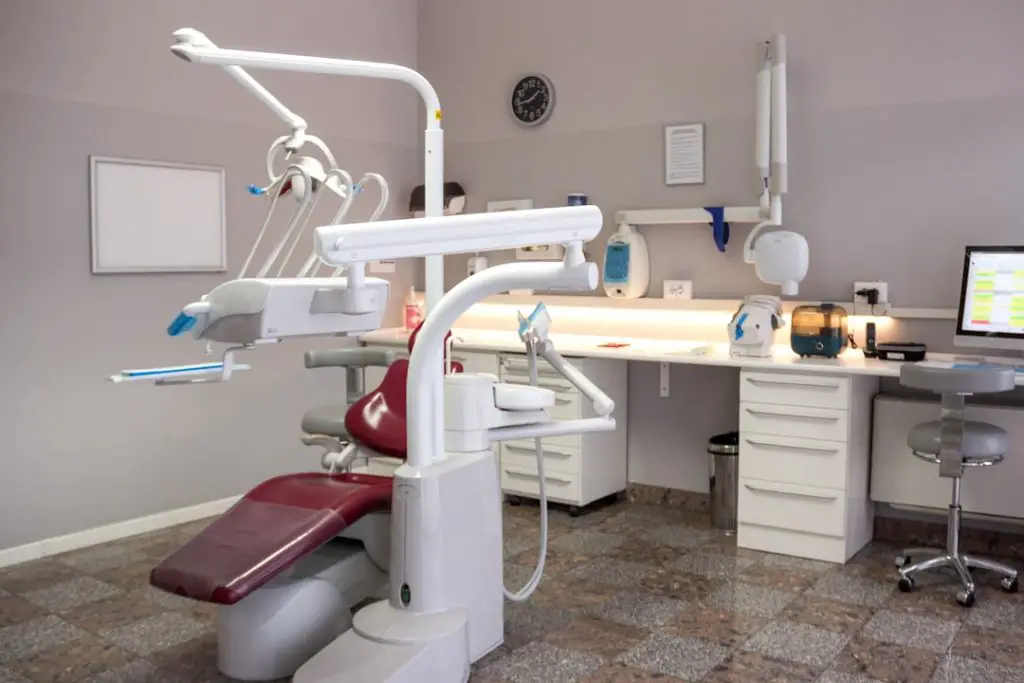
Destinations such as Mexico, Costa Rica, Turkey, and India have responded to this demand with state-of-the-art clinics located in tourist-friendly areas. In some cases, patients combine their dental appointments with leisure travel, hence the term “dental vacation.”

The Most Popular Cosmetic Dental Procedures Abroad
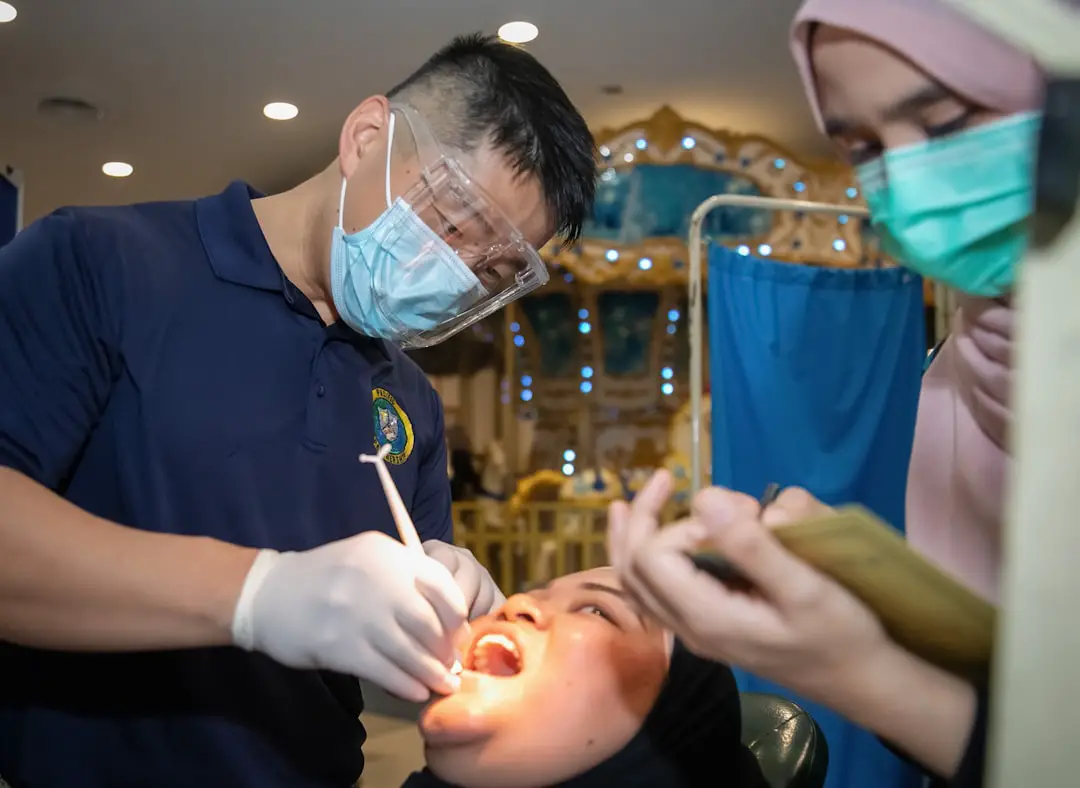
The majority of dental tourists are seeking not just basic care, but desired cosmetic improvements. Some of the most common procedures include:
- Dental Veneers – Custom shells bonded over natural teeth to enhance appearance
- Dental Implants – Titanium posts replacing natural tooth roots, topped with crowns
- Teeth Whitening – Professional bleaching to brighten discoloration
- Full Mouth Reconstruction – A comprehensive overhaul of the mouth using a combination of crowns, bridges and implants
These services are often completed in just a few days or weeks abroad, compared to longer treatment periods at home. The appeal of cost savings and immediate results is clear, but it’s not a decision to take lightly.
The Real Risks of Dental Tourism
While the promise of saving money and achieving that Hollywood smile fast is tempting, dental tourism is not devoid of risk. Serious complications may outweigh the financial benefits if the procedures go badly due to:
- Varying medical standards – Not all countries follow the same sterilization protocols or training regulations
- Lack of post-treatment follow-up – Travel makes routine check-ups and adjustments more difficult
- Language barriers – Miscommunications can lead to misunderstandings about treatment plans
- Limited legal recourse – Pursuing justice or compensation for dental malpractice in another country is often challenging and costly
Additionally, there are health risks involved with international travel itself, especially after undergoing procedures that may involve general anesthesia or heavy sedation. Swelling, infections, or complications from dental implants may not surface until after a patient has already returned home.
How to Minimize the Risk
For those considering dental tourism, due diligence is critical. Despite the dangers, many patients have had positive experiences abroad through careful planning. Here are some essential steps for increasing your chances of success:
- Check accreditation – Look for clinics accredited by international dental associations or governmental health bodies
- Vet your dentist – Read verified reviews, request credentials, and speak directly to former patients if possible
- Understand the full cost – Clarify what is included and be aware of potential hidden fees
- Plan for aftercare – Leave some buffer days in your travel plan in case post-operative treatment is necessary
- Purchase medical travel insurance – This covers costs in case you need to change plans or require complications treatment


The Role of Technology in Changing the Landscape
Advancements in dental technology are beginning to bridge the quality gap between local and international care. Some modern clinics overseas operate with equipment that rivals top Western standards, including:
- 3D-Imaging and CAD/CAM technology for designing crowns and veneers with precision
- Teledentistry solutions for consultation and follow-up before and after travel
- Laser dentistry for less invasive procedures and faster healing
Furthermore, thanks to better global access to knowledge and training, more dentists abroad are participating in recognized continuing education programs. Even so, standards still vary dramatically between clinics and countries, so patients are urged not to assume uniform excellence.
Is Cosmetic Dentistry Headed Toward a Global Market?
The future of cosmetic dentistry seems to be oriented toward globalization. With increasing collaboration between dental institutions worldwide, it is possible we will soon see internationally standardized practices and broader insurance support for cross-border care.
There are also efforts to develop “medical cities”, hubs where patients can receive multiple kinds of healthcare, including dentistry, in a safe, regulated environment. As patients become more informed and as technology improves, the line between local and global dental care may blur—but trust and transparency will remain key.
Final Verdict: Is Dental Tourism Worth It?
The decision to pursue dental tourism is a deeply personal one, balancing financial feasibility with medical risk. For certain patients—especially those in need of significant cosmetic work with limited budgets—traveling for dental care could be worthwhile.
However, cutting corners with your health is never advisable. Quality should always be prioritized over price, and careful vetting of overseas providers is essential. Dental tourism is not inherently dangerous or unethical, but it demands a level of due diligence and awareness that many patients overlook.
Key Takeaways:
- Dental tourism can offer steep cost savings, especially for cosmetic procedures such as veneers, implants, and full reconstructions.
- Risks include variable care standards, lack of follow-up, and limited legal protections.
- Advanced technology and international collaborations are raising care quality in some overseas clinics.
- Doing comprehensive research, confirming credentials, and planning for post-care are non-negotiable steps.
In conclusion, while dental tourism has a future and can be part of the evolution of cosmetic dentistry, it is only worth the risk if the risk is properly managed. Everyone wants a great smile—but getting it safely is what ultimately counts.