

Rumors have a way of spreading fast—especially in the firearms industry. Over the past year, many gun owners and enthusiasts have been asking the same question: Is Palmetto State Armory shutting down? Social media threads, online forums, and comment sections have fueled speculation, with some claiming financial trouble, regulatory pressure, or supply chain disruption. But how much of this is fact—and how much is fiction?
TLDR: No, Palmetto State Armory (PSA) is not shutting down. The company continues to operate, launch new products, and expand manufacturing. Much of the shutdown speculation appears to stem from temporary product shortages, industry-wide regulatory concerns, and online rumors rather than verified facts. PSA remains one of the most active and visible firearm manufacturers and retailers in the United States.
The Origin of the Rumors
Whenever a major firearms manufacturer experiences product shortages, shipping delays, or changes in inventory, speculation tends to follow. In PSA’s case, several factors likely contributed to the rumors:
- Temporary out-of-stock items
- High demand during election cycles
- Changes in firearm legislation discussions
- Misinterpretation of corporate restructuring
- Social media speculation
Product shortages alone do not signal a shutdown. In fact, the firearms industry frequently experiences supply fluctuations depending on political climate, consumer demand, and manufacturing scalability. During peaks in gun buying—often triggered by proposed regulation—companies like PSA may struggle to keep up with demand.
These temporary shortages sometimes get misinterpreted as signs of deeper financial distress. However, in PSA’s case, available evidence does not support claims of closure.
Image not found in postmetaWhat Is Actually Happening at Palmetto State Armory?
As of the most recent updates, Palmetto State Armory continues full operations. The company is still actively:
- Manufacturing AR-platform rifles and components
- Producing pistol lines such as the Dagger series
- Selling ammunition and firearm accessories
- Opening and maintaining physical retail locations
- Investing in expanded production capabilities
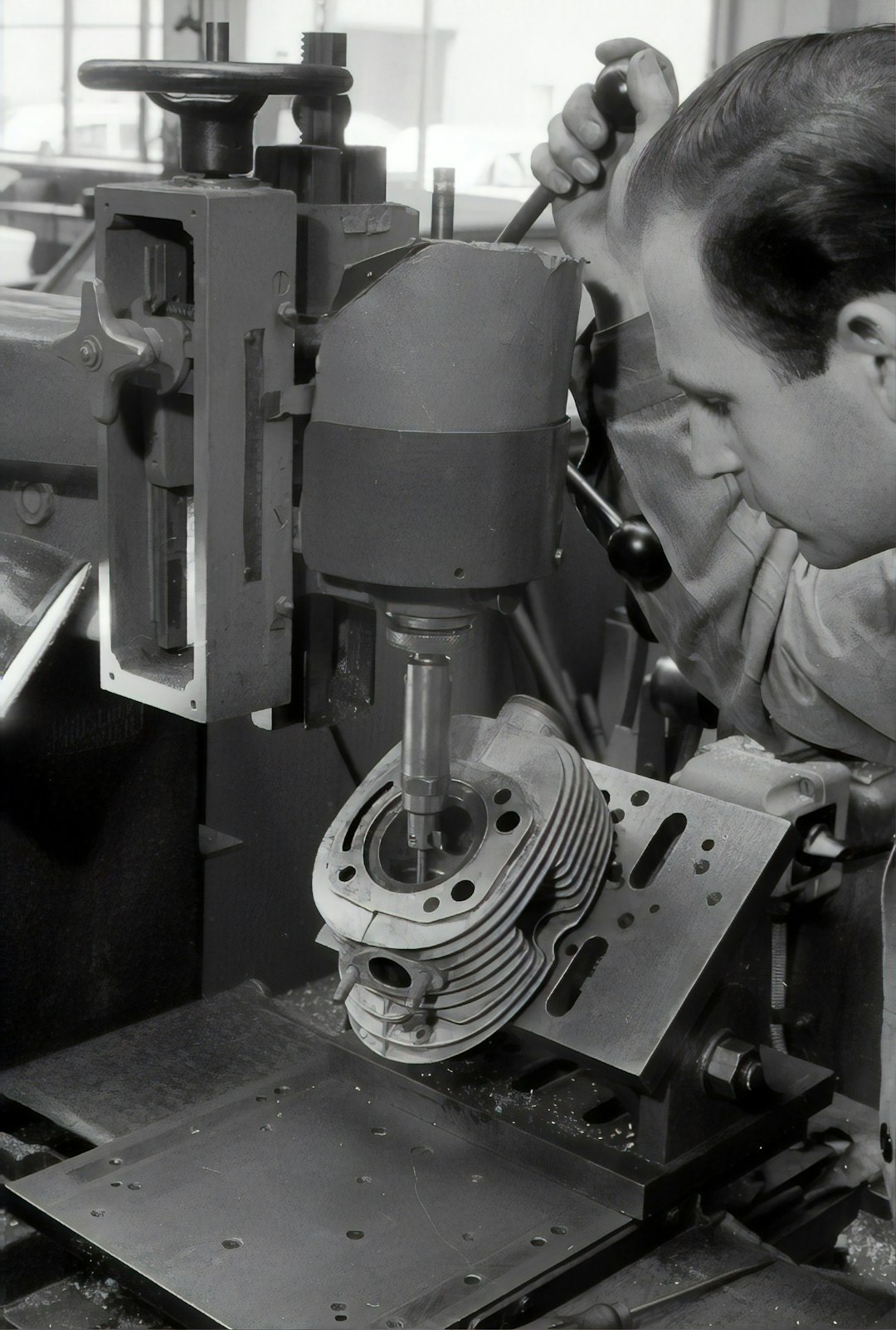
PSA has built a reputation for offering affordable firearms manufactured largely in-house. Over the past several years, they’ve vertically integrated much of their production process, acquiring machinery, expanding facilities, and investing in tooling designed to reduce reliance on third-party suppliers.
Companies preparing to shut down typically scale back product development and halt expansion. PSA, on the other hand, has continued releasing new models and expanding manufacturing capacity, suggesting business continuity rather than decline.
Financial Health and Market Position
While PSA is privately owned and does not publish detailed financial reports like publicly traded corporations, there are several indicators of stability:
- Continued hiring and job postings
- Frequent product launches
- Consistent digital marketing campaigns
- Active participation in industry trade events
Businesses nearing shutdown typically exhibit opposite behavior—layoffs, liquidation sales, liquidation pricing across all categories, or website shutdown warnings.
Instead, PSA maintains robust e-commerce operations and continues to compete aggressively on price. In fact, its business model depends on high volume, competitive pricing, and vertical integration.
Why Do Firearms Shutdown Rumors Spread So Quickly?
The firearms industry operates under unique political and regulatory pressures. As a result, companies in this space are especially susceptible to rumor cycles. Here are a few reasons why:
1. Political Sensitivity
Gun manufacturers operate in a politically polarized environment. Any hint of new regulation, tax changes, or compliance requirements can spark fear-driven speculation.
2. Regulatory Scrutiny
The Bureau of Alcohol, Tobacco, Firearms and Explosives (ATF) frequently updates rules affecting firearm manufacturers and dealers. Even routine audits or compliance checks sometimes trigger exaggerated claims online.
3. Industry Consolidation
The firearms market has seen acquisitions and mergers in recent years. When one brand is acquired or restructures, rumors often spread that others may follow.
4. Social Media Amplification
In the digital age, a single unverified post can travel fast. A comment suggesting “PSA is closing” can gain traction without documented evidence.
Image not found in postmetaSupply Chain Challenges: A More Likely Explanation
One major driver of shutdown speculation has been intermittent product availability. But supply chain issues have affected nearly every industry since 2020.
Common challenges include:
- Raw material shortages (steel, aluminum, polymers)
- Shipping delays
- Surges in consumer demand
- Ammunition component scarcity
When consumers see popular PSA items temporarily out of stock—especially during election years—they sometimes assume something is wrong internally. More often than not, these shortages reflect elevated demand rather than operational collapse.
Comparing PSA to Companies That Actually Shut Down
To better understand whether PSA is at risk, it’s helpful to compare typical “shutdown indicators” with PSA’s current activities.
| Indicator | Typical Company Nearing Shutdown | Palmetto State Armory Situation |
|---|---|---|
| Product Development | Ceases new releases | Continuing new firearm launches |
| Hiring | Freezes hiring or lays off staff | Ongoing job listings in manufacturing and retail |
| Marketing | Reduced advertising spend | Active email campaigns and promotions |
| Retail Operations | Store closures | Physical retail stores remain open |
| Inventory Strategy | Liquidation pricing | Regular promotional pricing model |
The comparison shows no consistent signs that PSA is preparing to exit the market.
Expansion and Innovation Efforts
Another critical factor contradicting shutdown rumors is PSA’s innovation pipeline. The company has been known to:
- Expand into AK-pattern manufacturing
- Develop proprietary pistol lines
- Increase domestic parts production
- Explore new calibers and configurations
Expansion requires significant capital investment. Companies facing insolvency rarely commit to new production equipment or facility upgrades. PSA’s continued growth initiatives strongly suggest forward momentum rather than retrenchment.

What Would a Real Shutdown Look Like?
For context, if a major firearms manufacturer were truly shutting down, customers would likely observe:
- Official public announcements
- Retail store closing dates
- Liquidation events
- Warranty service termination notices
- Bankruptcy filings (public record)
None of these indicators have surfaced in relation to PSA.
The Role of Consumer Perception
In the firearms market, perception influences purchasing behavior heavily. When consumers believe a company might close, they may rush to buy products—ironically creating artificial shortages that reinforce the original rumor.
This cycle can look something like this:
- Online rumor emerges.
- Customers panic-buy popular models.
- Inventory temporarily sells out.
- Out-of-stock notices reinforce speculation.
- More buyers rush in.
This feedback loop may explain some of the speculation surrounding PSA.
So, Is There Any Legitimate Cause for Concern?
At present, there is no credible evidence suggesting that Palmetto State Armory is closing its doors. Like any company in a heavily regulated industry, PSA faces:
- Regulatory oversight
- Market fluctuations
- Political pressure
- Supply chain challenges
However, those challenges are not unique to PSA and do not inherently indicate financial distress.
Final Verdict: Fact vs. Fiction
The rumor that Palmetto State Armory is shutting down appears to be largely unfounded. While temporary shortages, heightened demand, and online chatter may have fueled speculation, objective indicators point toward continued operation and even expansion.
Key Takeaways:
- PSA remains operational and active.
- No official shutdown announcement has been made.
- Product development and retail operations continue.
- Industry-wide challenges likely explain out-of-stock concerns.
In an industry where news and misinformation travel quickly, it’s always best to rely on verified updates and observable business activity rather than online speculation. For now, Palmetto State Armory appears to be doing what it has consistently done: producing affordable firearms and components at scale while navigating the complex landscape of the modern firearms market.
If future developments arise, official company communications and credible industry reporting will provide clearer answers. Until then, rumors of a shutdown remain just that—rumors.