
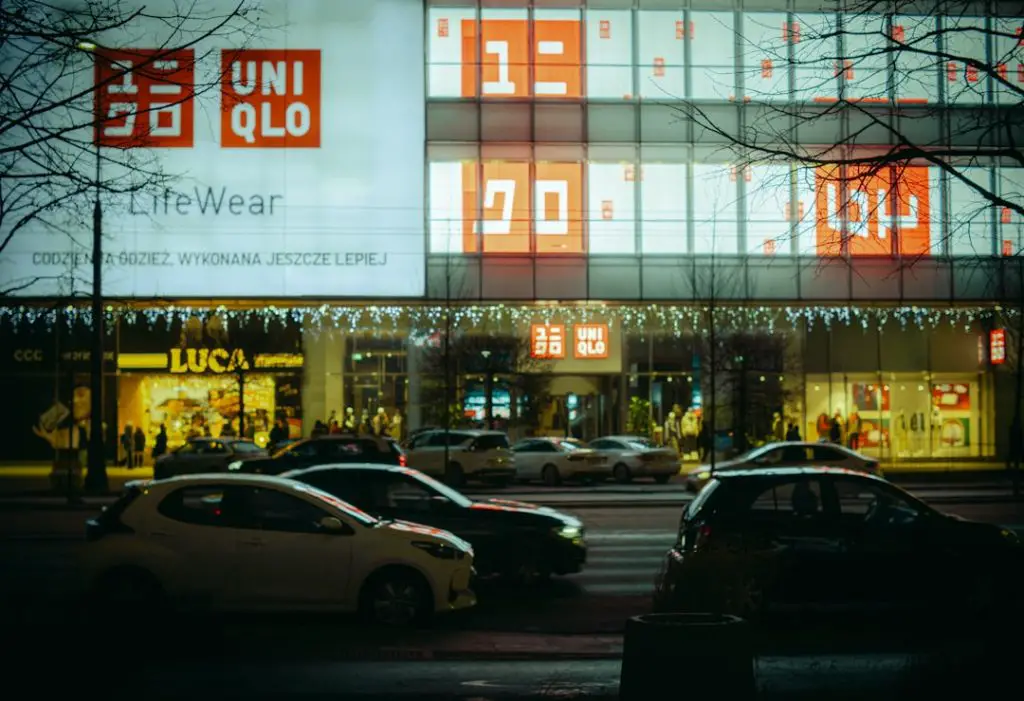
Few clothing brands spark as much debate as Uniqlo. Known for its minimalist aesthetic, affordable pricing, and global reach, it occupies a unique space between luxury and bargain retail. But as consumers become more conscious about sustainability, labor ethics, and production cycles, one persistent question remains: Is Uniqlo fast fashion? The answer is layered, and understanding it requires a closer look at the brand’s business model, production practices, pricing strategy, and environmental commitments.
TLDR: Uniqlo shares several characteristics with fast fashion brands, such as mass production and global sourcing, but it operates differently in key areas like product longevity and seasonless design. Instead of chasing micro-trends, Uniqlo focuses on timeless basics and functional innovation. While not a fully sustainable brand, it positions itself as a higher-quality, slower-paced alternative within the fast-fashion spectrum. Ultimately, Uniqlo sits somewhere between traditional fast fashion and more responsible apparel production.
What Defines Fast Fashion?
To evaluate Uniqlo fairly, we first need to understand what fast fashion actually means. The term refers to a business model characterized by:
- Rapid production cycles that bring runway trends to stores quickly
- Low prices achieved through mass manufacturing
- Frequent new collections, sometimes weekly
- Trend-focused designs with short consumer lifespans
- Global outsourcing to reduce production costs
Brands like Zara, Shein, and H&M epitomize this approach. They thrive on speed and volume, encouraging consumers to buy often and discard quickly.
So, where does Uniqlo fall within this framework?
Uniqlo’s Business Model: Basics Over Trends
Unlike many fast fashion competitors, Uniqlo does not heavily chase fast-moving trends. Instead, it focuses on what it calls “LifeWear”—simple, functional, everyday clothing designed to last multiple seasons.

Key characteristics of Uniqlo’s strategy include:
- Seasonless basics like T-shirts, sweaters, denim, and outerwear
- Functional fabrics such as HEATTECH and AIRism
- Limited trend-driven items
- Longer shelf life for products
Rather than flooding stores with new designs weekly, Uniqlo refines and re-releases core items year after year. A fleece jacket from this winter may look very similar to one sold three years ago. This consistency contrasts sharply with trend-heavy competitors.
Production Speed: Fast, But Not Hyper-Fast
Uniqlo is owned by Fast Retailing, one of the largest apparel companies in the world. It uses a streamlined supply chain and global manufacturing network to produce clothes efficiently and at scale. In this respect, it resembles fast fashion.
However, there are distinctions:
- Uniqlo typically releases fewer collections per year compared to trend brands.
- Many styles remain available for extended periods.
- The brand focuses on fabric innovation rather than constant style turnover.
This hybrid approach means Uniqlo moves quickly—but not at the breakneck, trend-driven pace of ultra-fast fashion retailers.
Price Point: Affordable but Not Ultra-Cheap
Fast fashion is often synonymous with ultra-low pricing. While Uniqlo is affordable, its prices are generally higher than ultra-fast retailers.
For example:
- Basic T-shirts often range between $15–$25
- Outerwear ranges from $60–$150
- Premium ultra-light down jackets typically cost over $100
These prices suggest a higher perceived value and longer product life than disposable $5–$10 garments found elsewhere.
Quality and Durability
One of the main arguments against labeling Uniqlo as fast fashion is durability. Many customers report that Uniqlo garments last for years with proper care.

Uniqlo invests heavily in:
- Textile research and development
- Partnerships with fabric innovators
- Quality control systems
Its HEATTECH fabric, developed with Toray Industries, is a prime example. Rather than replicating luxury trends cheaply, Uniqlo often builds collections around technical innovations. This focus suggests a slower, more durable model than typical fast fashion.
Sustainability and Ethics: Where Uniqlo Stands
No evaluation is complete without examining environmental and labor practices. Fast fashion is heavily criticized for waste, carbon emissions, and exploitative labor conditions.
Uniqlo has taken steps toward improvement, including:
- Increasing use of recycled materials
- Launching clothing recycling initiatives
- Mapping supply chains for greater transparency
- Setting carbon reduction targets
However, critics argue that:
- The brand still relies on high production volumes
- Full supply chain transparency remains incomplete
- It operates within a consumption-driven model
While Uniqlo may perform better than some fast fashion giants, it is not typically categorized as a fully sustainable or slow fashion brand either.
Comparison: Uniqlo vs Traditional Fast Fashion
| Factor | Uniqlo | Traditional Fast Fashion |
|---|---|---|
| Trend Focus | Low to Moderate | Very High |
| Product Turnover | Seasonal, limited drops | Weekly or bi-weekly |
| Pricing | Affordable, mid-range basics | Very low-cost |
| Durability | Generally long-lasting | Often short-lived |
| Sustainability Efforts | Moderate initiatives | Often limited or criticized |
The Consumer Perspective
For many shoppers, the classification matters less than the actual experience. Customers often see Uniqlo as:
- A brand for wardrobe staples
- A reliable source of minimalist style
- A middle ground between cheap trends and high-end basics

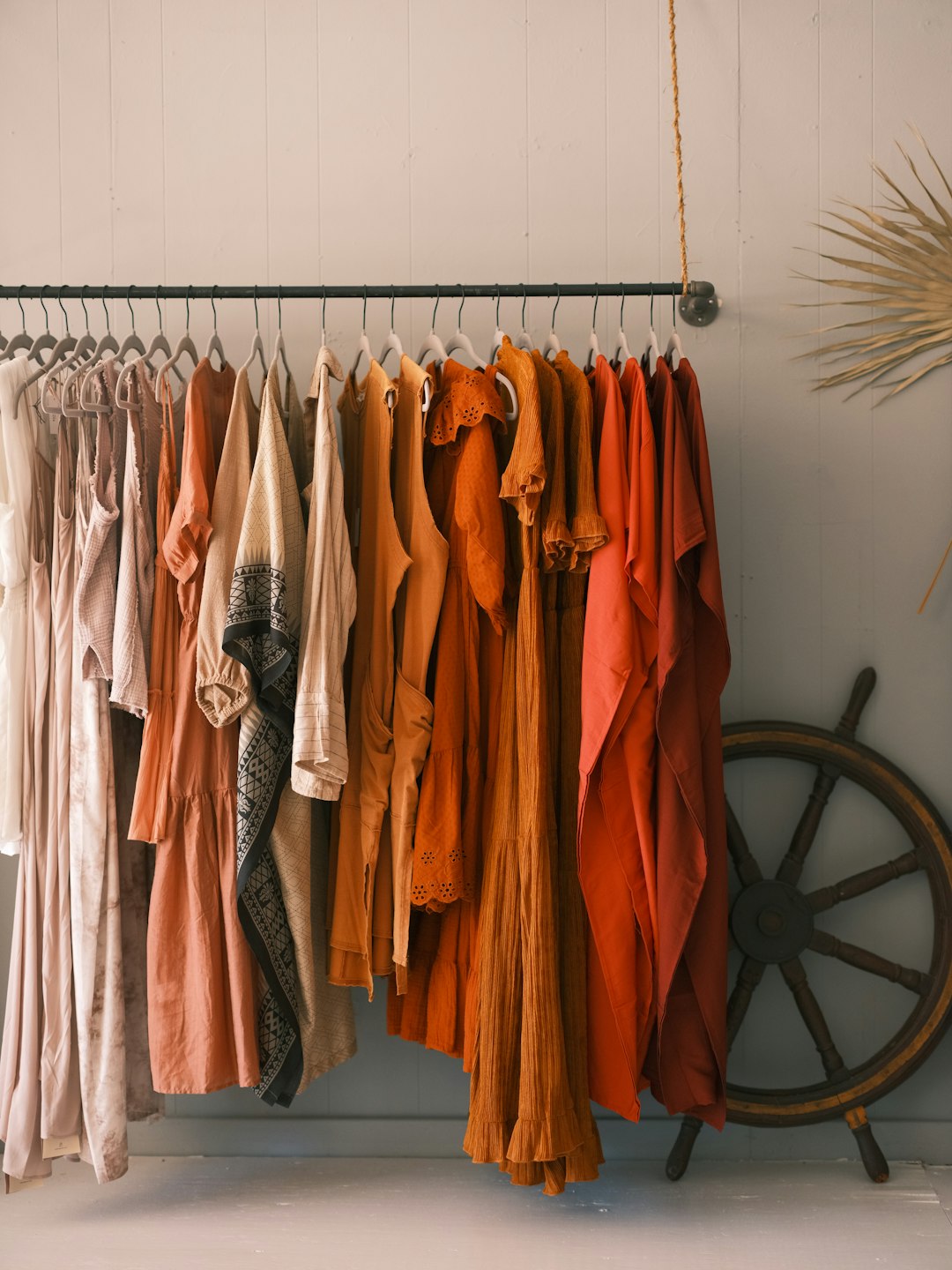
Its emphasis on capsule wardrobe essentials aligns more closely with mindful consumption than constant trend replacement. However, as a global corporation producing millions of garments annually, it still contributes to mass consumption patterns.
So, Is Uniqlo Fast Fashion?
The most accurate answer may be: partially, but not traditionally.
Uniqlo shares structural elements with fast fashion, including:
- Large-scale global manufacturing
- Competitive pricing
- Mass retail distribution
But it differs in meaningful ways:
- Focus on timeless designs
- Less emphasis on fleeting trends
- Stronger investment in textile innovation
- Encouragement of longer wear cycles
In industry terms, Uniqlo is often referred to as a “high-quality fast retailer” or a bridge brand between fast and slow fashion.
The Bigger Picture
The fashion industry today exists on a spectrum rather than in strict categories. On one end lies ultra-fast fashion—cheap, rapid, disposable. On the other, slow fashion—small-batch, sustainable, premium-priced. Uniqlo sits somewhere in the middle.
Its large scale means it cannot escape the environmental footprint of mass production. Yet its design philosophy encourages longevity rather than disposability. This duality explains why opinions remain divided.
Final Verdict
Uniqlo cannot be fully separated from the fast fashion system—it operates within global manufacturing networks and sells affordable clothing at scale. However, it distinguishes itself by promoting durable basics instead of rapid-fire trends.
For consumers seeking a more responsible alternative without paying luxury prices, Uniqlo offers a pragmatic compromise. It is not slow fashion, but it is not ultra-fast fashion either. Ultimately, the impact depends less on the label and more on how customers choose to buy, wear, and care for their clothes.
In short: Uniqlo is fast fashion by structure, slower fashion by philosophy, and something uniquely in between by execution.