
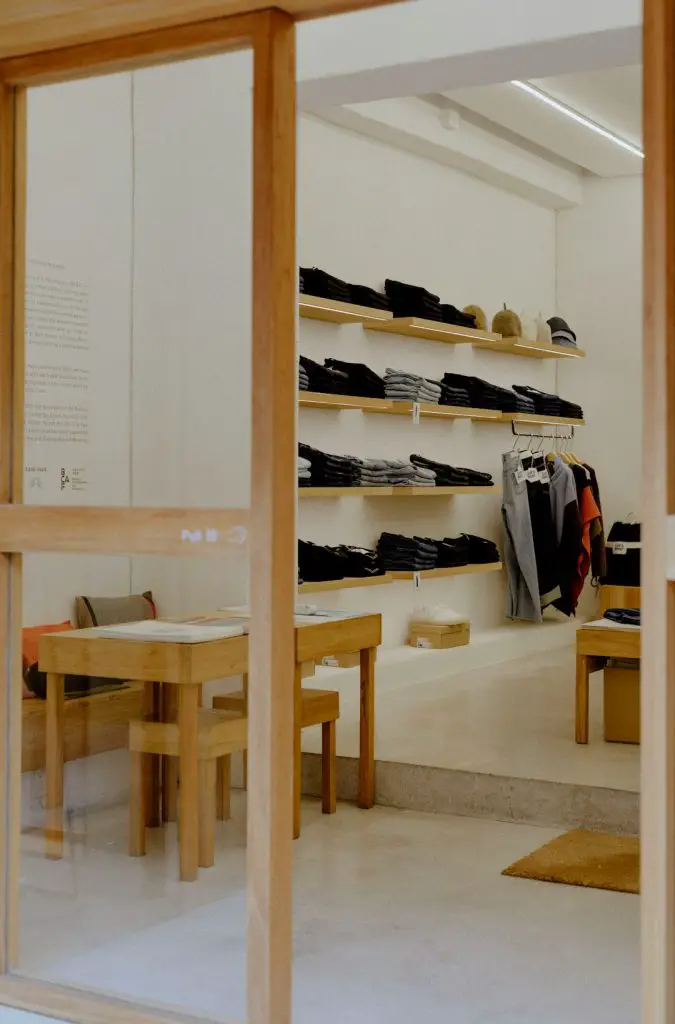
Walk through any major city in the world and there’s a strong chance you’ll spot the clean red-and-white logo of Uniqlo. From Tokyo to New York, London to Singapore, the brand has built a reputation for minimalist design, high-quality basics, and affordable pricing. But with such a strong international presence, many shoppers wonder: Is Uniqlo actually Japanese? The answer is yes—but the story behind that answer is far more interesting than a simple yes or no.
TLDR: Uniqlo is a Japanese brand founded in 1984 in Hiroshima and owned by the Japanese company Fast Retailing. While it has grown into a global apparel powerhouse with stores across Asia, Europe, and North America, its philosophy, leadership, and core identity remain deeply rooted in Japan. The brand blends Japanese design principles with global manufacturing and international marketing strategies. In short, Uniqlo is proudly Japanese with a global reach.
The Origins of Uniqlo: A Brand Born in Japan
Uniqlo began as a single store in Hiroshima in 1984. It was founded by Tadashi Yanai, who transformed his father’s small menswear shop into a new retail concept focused on affordable, casual clothing. The original store name was “Unique Clothing Warehouse,” which was later shortened to Uniqlo—a name that would eventually become globally recognized.
At its core, Uniqlo was built on a simple idea: provide high-quality, everyday clothing at reasonable prices. Unlike trend-driven fashion brands, Uniqlo focused on timeless basics—T-shirts, knitwear, jeans, and outerwear designed for everyday life.
Image not found in postmetaThis strategy reflected core elements of Japanese business culture:
- Efficiency and simplicity
- Attention to detail
- Long-term brand building
- Continuous improvement (Kaizen)
From the beginning, Uniqlo was distinctly Japanese—not only in origin but in mindset.
The Meaning Behind the Name
Interestingly, the name “Uniqlo” came from a small clerical error. When registering the brand in Hong Kong, staff misread “C” as “Q,” turning “Uni-Clo” into “Uniqlo.” Instead of correcting it, the company embraced the unique spelling.
The name itself reflects the brand philosophy:
- “Unique” — Offering distinctive quality and functional innovation
- “Clothing” — Focused on essential apparel, not flashy fashion
This practicality and willingness to adapt are hallmarks of Japanese entrepreneurship.
Owned by a Japanese Company: Fast Retailing
Uniqlo is part of Fast Retailing Co., Ltd., a Japanese holding company headquartered in Yamaguchi, Japan. Fast Retailing is publicly traded on the Tokyo Stock Exchange and ranks among the largest apparel retailers in the world.
Tadashi Yanai remains the chairman and CEO of Fast Retailing and is often listed among the richest individuals in Japan. His leadership has kept the company’s strategic direction firmly grounded in Japanese corporate philosophy, even as it has expanded internationally.
Other brands under Fast Retailing include:
- GU (a lower-cost sister brand)
- Theory
- Helmut Lang
- Comptoir des Cotonniers
Despite owning several international labels, Uniqlo remains the flagship brand and the strongest expression of the company’s Japanese roots.
Japanese Design Philosophy in Every Stitch
One reason people sometimes question whether Uniqlo is Japanese is its global aesthetic. The clothes are simple, neutral, and adaptable—without obvious “Japanese” motifs. However, this minimalism is actually deeply rooted in Japanese design tradition.
Core Japanese influences in Uniqlo apparel include:
- Minimalism – Clean lines, neutral palettes, and adaptable basics
- Functionality – Prioritizing comfort and practicality
- Precision – High standards for fabric and construction
- Innovation – Technical materials like Heattech and AIRism
Japan is globally recognized for blending tradition with technology—and Uniqlo does exactly that.

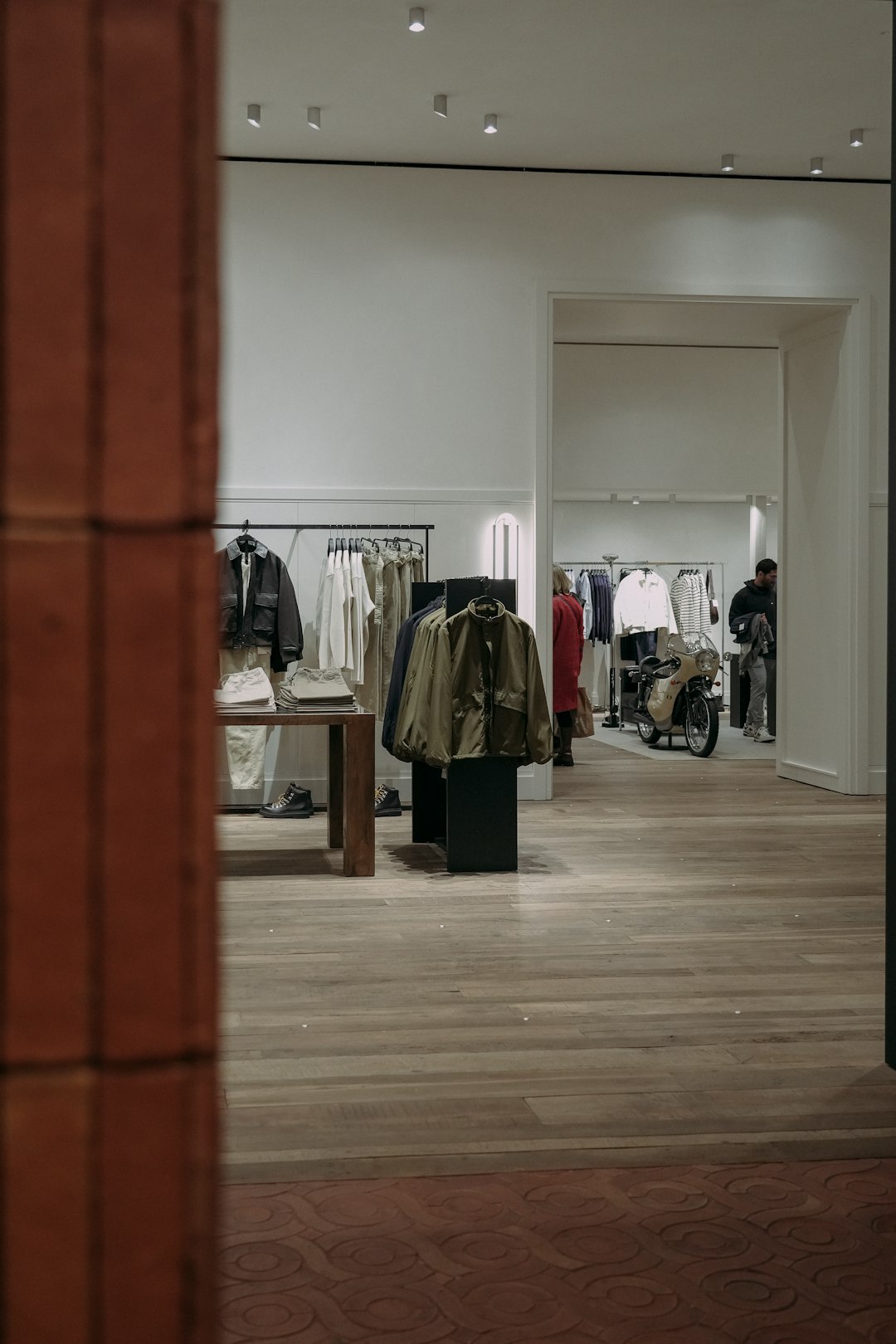
The store layouts also reflect Japanese sensibilities: neatly stacked clothing, symmetrical displays, and highly organized floor plans that promote clarity and calm.
Global Expansion: When Japanese Became International
Although Uniqlo is Japanese in origin, it is undeniably global in reach. The company began expanding overseas in the late 1990s and early 2000s, opening stores in:
- China
- South Korea
- United Kingdom
- United States
- France
- Singapore
- Australia
Today, Uniqlo operates thousands of stores worldwide, with a significant presence in Asia and growing influence in Western markets.
What sets Uniqlo’s expansion apart from competitors is its strategy:
- Local adaptation, global consistency
- Large flagship stores in iconic locations
- Collaborations with global designers and artists
Despite this global footprint, corporate decisions and brand philosophy still originate in Japan.
Where Are Uniqlo Clothes Manufactured?
Another reason people question Uniqlo’s nationality is manufacturing. Like many global retailers, Uniqlo does not produce most of its clothing in Japan today.
Instead, the brand manufactures primarily in:
- China
- Vietnam
- Bangladesh
- Indonesia
- India
This global supply chain allows Uniqlo to maintain competitive pricing while scaling internationally. However, design, fabric development, and quality control are closely managed by Japanese teams.
Importantly, Uniqlo operates on a model called SPA (Specialty store retailer of Private label Apparel), meaning it controls the entire process—from design and sourcing to manufacturing and retail. This vertically integrated structure is a hallmark of Japanese operational precision.
Technology and Innovation: A Japanese Strength
One of the most distinctly Japanese aspects of Uniqlo is its focus on fabric innovation. Instead of chasing fast-changing fashion trends, Uniqlo invests heavily in textile technology.
Some of its most famous innovations include:
- Heattech – Thin thermal fabric that retains body heat
- AIRism – Breathable, moisture-wicking material
- Ultra Light Down – Lightweight insulated jackets
- Blocktech – Weather-resistant outerwear


These innovations reflect Japan’s cultural commitment to blending science with daily life. Instead of dramatic seasonal shifts, Uniqlo refines and improves core products year after year—a very Japanese approach known as continuous improvement.
How Uniqlo Differs from Other Japanese Fashion Brands
When people think of Japanese fashion, they often imagine avant-garde designers like Issey Miyake, Comme des Garçons, or Yohji Yamamoto. Compared to them, Uniqlo feels understated.
Here’s how it compares:
| Brand | Style Focus | Price Range | Global Reach | Japanese Identity |
|---|---|---|---|---|
| Uniqlo | Minimal basics, functional wear | Affordable | Very High | Subtle but strong |
| Comme des Garçons | Avant garde, experimental | Luxury | High | Highly expressive |
| Issey Miyake | Technical pleated designs | Luxury | High | Innovative, artistic |
| GU | Trend driven basics | Budget | Medium | Japanese owned |
Unlike avant-garde designers, Uniqlo expresses Japanese identity through restraint, quality, and innovation rather than bold artistic statements.
Cultural Values Behind the Brand
To fully answer whether Uniqlo is Japanese, it helps to look beyond geography and examine cultural DNA.
Uniqlo reflects several traditional Japanese values:
- Monozukuri – The spirit of craftsmanship and dedication to making things well
- Shibui – Understated, subtle elegance
- Kaizen – Continuous improvement
- Omotenashi – Thoughtful customer service
Even the in-store experience often mirrors Japan’s reputation for polite, efficient customer interaction and immaculate organization.
So, Is Uniqlo Japanese?
Yes—unequivocally.
It was founded in Japan. It is headquartered in Japan. It is owned and led by a Japanese company. Its values, strategy, and operational philosophy are shaped by Japanese culture.
However, Uniqlo is also something else: a global Japanese brand. It has successfully translated its domestic identity into an international language of simplicity and quality.
In a world where many brands lose their original identity during global expansion, Uniqlo has done the opposite. It has taken the understated elegance and precision of Japanese design and made it accessible to millions of people around the globe.
Final Thoughts
Uniqlo may not shout its nationality with bold traditional motifs or flashy marketing, but its Japanese heritage is woven into every detail—from fabric innovation to store presentation. It represents a modern version of Japan: technologically advanced, efficiency-driven, minimalist, and globally minded.
So the next time you put on a Heattech shirt or zip up an Ultra Light Down jacket, you’re not just wearing basic apparel. You’re experiencing a piece of contemporary Japanese retail philosophy—exported to the world with quiet confidence.
In short: Uniqlo is Japanese by birth, by ownership, by philosophy—and by design.