
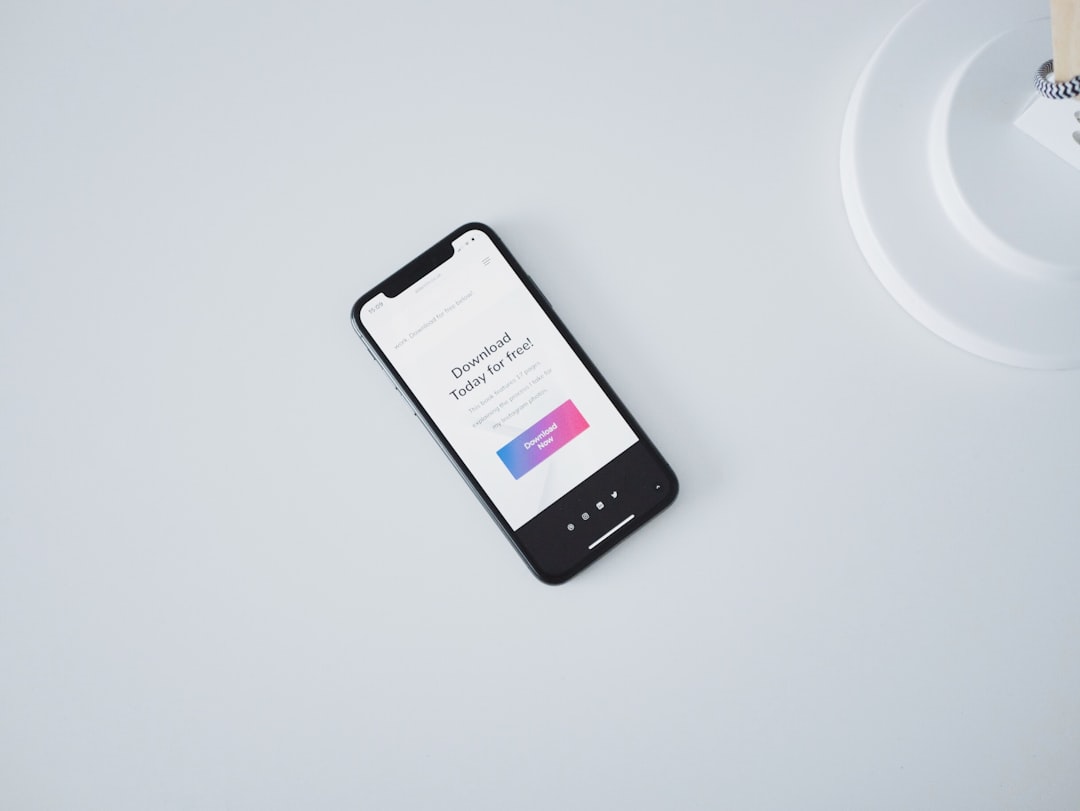
Your PPC landing page should make the ad promise obvious in five seconds or less. If it does not, people bounce. Then you pay for a click that does nothing. Painful.
TLDR: Match the landing page to the ad, remove distractions, make the page fast, and push one clear action. For example, a plumbing company running “emergency drain cleaning” ads should send users to a drain cleaning page, not a general homepage. If 1,000 clicks cost $2,500 and the page conversion rate rises from 4% to 7%, that is 30 extra leads from the same ad spend. That is the kind of math PPC loves.
What Is PPC Landing Page Optimization?
PPC landing page optimization is the work of improving the page people see after they click your paid ad. The goal is simple. Make the page feel useful, trusted, fast, and easy to act on.
A PPC landing page is not just a pretty page. It is where your ad budget either grows legs or falls into a hole. Honestly, it feels weird how often companies spend hours tweaking ad text, then send traffic to a slow page with six menus and a vague headline. That is like buying concert tickets and showing up at the wrong building.
A good PPC landing page answers four questions fast:
- Am I in the right place?
- Is this offer for me?
- Can I trust this business?
- What should I do next?
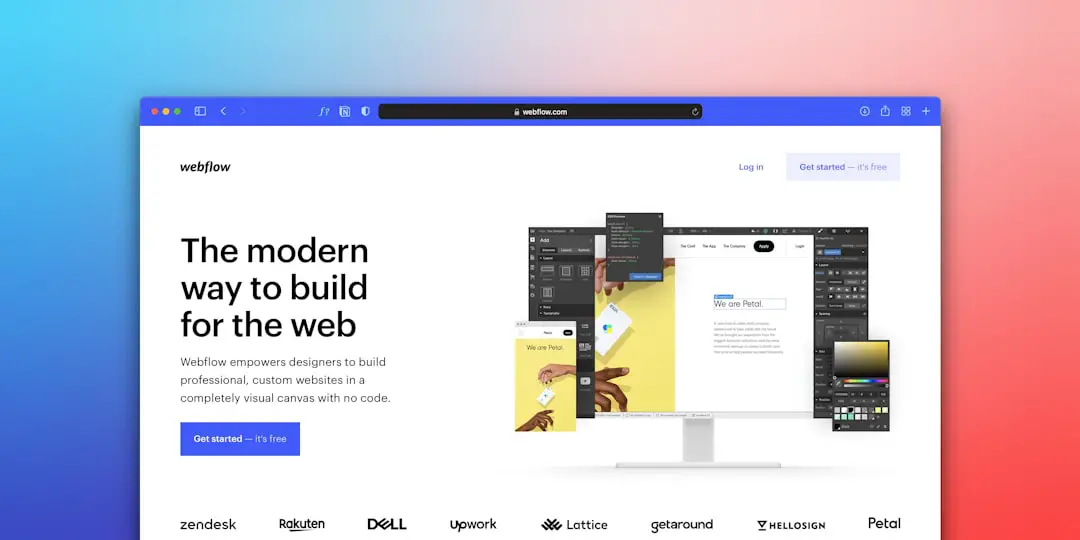
Start With Message Match
Message match means your ad and landing page say the same thing. Not kind of the same. Really the same.
If your ad says “Free PPC Audit,” your landing page headline should say “Get a Free PPC Audit.” Do not send users to a page called “Marketing Solutions for Growth.” That sounds like a committee wrote it during lunch.
Strong message match improves user trust. It can also help your ad relevance. Better relevance can support lower costs and stronger PPC results.
Use this simple checklist:
- Repeat the main keyword in the headline.
- Show the same offer from the ad.
- Use similar wording in the button.
- Match the user’s intent.
- Remove anything that feels off-topic.
Example: If the keyword is “buy vegan protein powder”, the page should show vegan protein powder right away. Not all supplements. Not a blog post. Not your brand story from 2016.
Build for Quality Score
Google Ads uses landing page experience as part of Quality Score. That score can affect ad rank and cost per click. You do not need to obsess over the number every morning. But you should care about what feeds it.
Focus on these areas:
- Relevance: The page matches the keyword and ad.
- Transparency: Pricing, terms, and business details are clear.
- Usefulness: The page helps the visitor decide.
- Speed: The page loads without making people sigh.
- Mobile fit: The page works well on phones.
Speed matters a lot. A page that takes 6 seconds to load can bleed clicks. It drives me a bit nuts when a landing page has six giant hero images and a sticky chat widget that loads before the form. The visitor came to solve a problem. They did not ask for a loading screen.
Make the Page Feel Easy
User experience is not fancy. It is about making things feel simple. The best PPC pages are clear, calm, and focused.
Each page should have one main goal. Book a demo. Get a quote. Buy the product. Download the guide. Pick one.
Then shape the page around that goal.
- Headline: Say what the offer is.
- Subheadline: Explain the main benefit.
- Hero section: Show the product, result, or form.
- Proof: Add reviews, logos, ratings, or case stats.
- Call to action: Tell users what to do.
Do not be cute with button text. “Submit” is boring. “Begin Your Free Trial” is better. “Get My Estimate” is clear. “Send Me the Checklist” feels personal.
Write Copy That Sells Without Yelling
Good landing page copy is not a speech. It is a helpful nudge.
Talk about the visitor’s problem. Then show how your offer fixes it. Use short lines. Use plain words. Cut fluff.
Weak copy says:
“We provide complete business solutions for modern teams.”
Better copy says:
“Track projects, assign tasks, and hit deadlines without messy spreadsheets.”
See the difference? One floats in space. The other lands on a real pain.
Use bullets for benefits:
- Save 3 hours per week on reporting.
- Get a same-day quote.
- Cancel anytime.
- Speak with a licensed expert.
- Start with no credit card.
Benefits beat features when the user is in a hurry. And PPC users are almost always in a hurry.
Use Trust Signals Early
People are skeptical. Fair enough. The internet has trained them well.
Add proof near the top of the page. Do not hide it at the bottom like a secret.
Useful trust signals include:
- Customer reviews.
- Star ratings.
- Client logos.
- Before and after results.
- Security badges.
- Guarantees.
- Real photos of your team or product.
- Clear contact details.
Specific proof works best. “Trusted by 500+ local homeowners” is stronger than “Trusted by many.” “4.8 stars from 312 reviews” is stronger than “Great service.” Numbers calm people down.
Fix the Form
Forms can crush conversion rates. Ask for too much, and users run.
For top-of-funnel offers, keep forms short. Name and email may be enough. For quotes or demos, add only what sales truly needs.
Ask yourself:
- Do we really need a phone number?
- Do we need company size right now?
- Can we ask this later?
- Is the form easy on mobile?
If the form has seven fields, test it against three fields. A software company might find that shortening a demo form from eight fields to four lifts conversions from 5.2% to 6.8%. That sounds small. It is not. At scale, it can mean hundreds of extra leads.
Match the Page to the Funnel Stage
Not every click is ready to buy. Treat users based on intent.
- High intent: “Buy,” “pricing,” “near me,” or “quote” keywords need direct pages.
- Middle intent: Comparison searches need proof, charts, and FAQs.
- Low intent: Research searches may need guides, checklists, or webinars.
A person searching “best CRM for small business” may want a comparison. A person searching “CRM free trial” wants the signup page. Do not make them dig.
Test One Thing at a Time
A/B testing is where guesses go to behave.
Test big items first:
- Headline.
- Offer.
- Call to action.
- Form length.
- Hero image.
- Pricing display.
- Trust proof.
Do not test 14 things at once unless you enjoy confusion. If conversions rise, you will not know why. Change one main item. Run the test long enough to get useful data. Then keep the winner.
Track the Right Numbers
Clicks are not the finish line. They are the doorway.
Track these PPC landing page metrics:
- Conversion rate: How many visitors take action.
- Cost per conversion: What each lead or sale costs.
- Bounce rate: How many users leave fast.
- Scroll depth: How far users go.
- Form starts: How many begin the form.
- Form completions: How many finish it.
- Page speed: How fast the page loads.
If many people start the form but few finish, the form is the problem. If users bounce before scrolling, the top section is weak. If mobile conversions lag desktop, test the phone layout first.
A Simple PPC Landing Page Formula
Use this structure when you need a fast win:
- Headline: Match the ad exactly or closely.
- Subheadline: State the main result.
- Hero area: Add a form or strong button.
- Proof: Show reviews, stats, or logos.
- Benefits: Explain what users get.
- How it works: Use three simple steps.
- FAQ: Handle doubts.
- Final CTA: Repeat the action.
Keep the page focused. Cut extra menu links if they distract from the goal. Remove generic stock photos if they add nothing. Make the button easy to find. Say the offer again before the final CTA.
Final Takeaway
Great PPC landing pages are not magic. They are clear, fast, relevant, and easy to trust. Match the ad. Make the offer obvious. Prove you are real. Then ask for one simple action.
Do that, and your PPC budget works harder. Your users feel less confused. Your conversion rate gets a fair shot. That is the whole game.