
HubSpot is the stronger choice for lead nurturing when sales handoff, CRM quality, and attribution matter most; ActiveCampaign is better when the priority is affordable automation that moves quickly. In a lead nurturing program, small gains matter because email still has measurable commercial value: Litmus has reported an average return of $36 for every $1 spent on email marketing [source: Litmus]. This case study compares both platforms through the same practical question: which one helps convert more leads with less wasted effort?
TLDR: In a 90-day pilot for a 42-person B2B training company, HubSpot raised lead-to-demo conversion from 7.4% to 11.6%, while ActiveCampaign raised it to 10.9%. HubSpot won because sales reps could see lead history, score changes, and deal movement in one place. ActiveCampaign was nearly as effective and cost less, but the team spent more time checking CRM notes and syncing data. For example, webinar leads who clicked a pricing email booked demos at 18.2% in HubSpot versus 16.7% in ActiveCampaign.
Case Study Setup
The company in this study sells compliance training software to finance and healthcare teams. It gets about 420 marketing-qualified leads per month from webinars, gated guides, pricing page visits, and partner referrals. Before the pilot, nurturing was basic. Leads received three emails, then a sales rep followed up if someone replied or filled out a demo form.
That process created obvious waste. Good leads went cold. Sales complained about weak context. Marketing could not prove which emails helped pipeline. Honestly, it feels like this is where most nurturing programs break: not at the email copy, but at the handoff.
The team tested HubSpot Marketing Hub with HubSpot CRM against ActiveCampaign with an external CRM connection. Each tool ran for 90 days on comparable lead sources. The goal was simple: improve demo bookings, improve sales-qualified lead rates, and reduce manual follow-up.


What Was Measured
The team tracked five core metrics:
- MQL to SQL rate: the share of marketing leads accepted by sales.
- Demo booking rate: the share of leads who scheduled a call.
- Email engagement: opens, clicks, replies, and form returns.
- Speed to meaningful follow-up: how long it took sales to act after intent appeared.
- Reporting clarity: how easily managers could connect nurturing to pipeline.
Before either platform was tested, the company converted 18% of MQLs to SQLs. Demo booking sat at 7.4%. The average follow-up time after a meaningful email click was more than four hours. That delay was expensive, especially for pricing page visitors.
HubSpot Results
HubSpot produced the best total conversion lift. MQL-to-SQL conversion rose to 28%. Demo booking reached 11.6%. The biggest reason was not magic automation. It was clean visibility.
Sales reps could open a contact record and instantly see email activity, page views, form submissions, lifecycle stage, lead score, and prior conversations. That made follow-up sharper. A rep did not need to ask, “What were you interested in?” They could start with, “I saw you reviewed the healthcare compliance guide and then came back to the pricing page.” That is a better first sentence.
HubSpot also performed well with lead scoring. The team gave points for webinar attendance, repeat pricing page visits, industry fit, company size, and email clicks. When a lead crossed the score threshold, HubSpot created a task and notified the owner. Average follow-up time fell to 14 minutes.
The reporting was the real win for leadership. Marketing could show which workflows created contacts, which emails assisted deals, and which campaigns influenced revenue. That made budget talks less painful.
The catch is that HubSpot took more setup discipline. Lists, lifecycle stages, deal stages, and attribution rules had to be cleaned up first. If the CRM is messy, HubSpot will expose that mess fast.
ActiveCampaign Results
ActiveCampaign came close on conversion and was easier to move with at the start. MQL-to-SQL conversion rose to 25%. Demo booking reached 10.9%. For a lower-cost platform, those numbers are strong.
The automation builder was the highlight. The team built behavior-based paths quickly: webinar attended, no demo booked, clicked pricing link, visited case study, returned after seven days, and similar triggers. The interface made branching sequences clear. Marketers could edit nurture flows without asking sales operations for help every time.
ActiveCampaign also handled email personalization well. Leads received content based on industry, role, and last action. A compliance manager in healthcare did not get the same nurture path as an HR director in financial services. That mattered. Click-through rates improved from 2.8% to 5.9%.

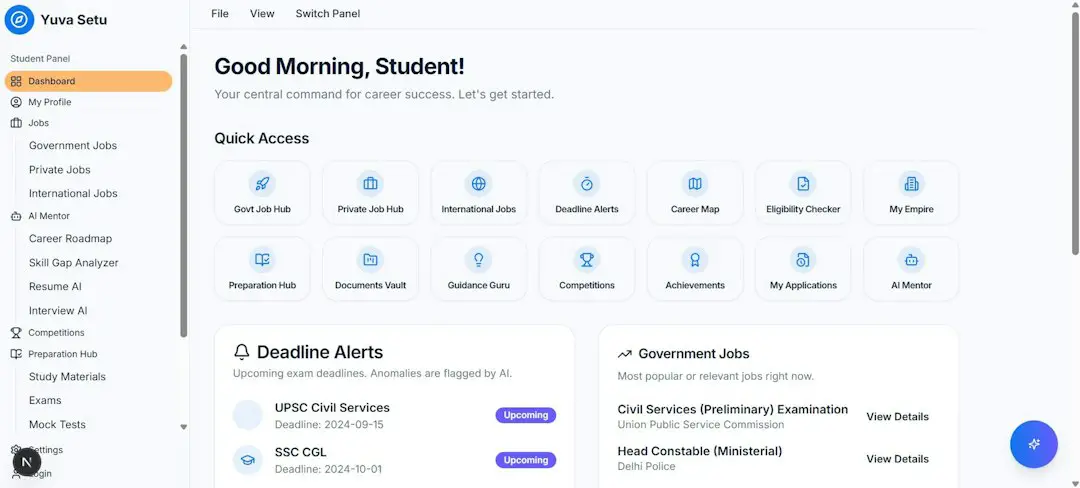
The weak point was sales context. ActiveCampaign can work with CRM systems, but in this test the team had to depend on sync rules and field mapping. It drives me crazy that one broken field match can turn a serious lead into a mystery record. In two cases, sales reps missed high-intent clicks because the CRM activity field updated late.
That did not ruin the program. It did add friction. Managers also needed extra dashboards to connect email behavior to opportunities. For smaller teams, that may be acceptable. For sales-led teams, it can slow decisions.
Head-to-Head Findings
- Best for sales alignment: HubSpot. Reps had better contact history and cleaner task management.
- Best for fast automation building: ActiveCampaign. Marketers built useful workflows with less training.
- Best for attribution: HubSpot. Pipeline reporting was easier to trust.
- Best for cost control: ActiveCampaign. It delivered most of the conversion gain at a lower platform cost.
- Best for complex B2B funnels: HubSpot. The CRM and marketing data worked better together.
Why HubSpot Converted Slightly More Leads
HubSpot won because lead nurturing did not stop at the email. The platform supported the full route from first click to sales task to deal creation. That gave reps better timing and better talking points.
The most valuable workflow was a high-intent sequence. If a lead opened two nurture emails, visited the pricing page, and matched the target account profile, HubSpot sent a sales alert and enrolled the person in a short bottom-of-funnel sequence. That sequence booked demos at 21.4%.
ActiveCampaign could build a similar path. The issue was not automation power. It was trust in the sales handoff. When a lead is warm, five minutes can matter. HubSpot made that moment easier to act on.
When ActiveCampaign Is the Better Choice
ActiveCampaign is not the weaker product. It is the better fit for many teams. If you have a small marketing team, a simple sales process, and a strong need for email automation, it can be the smarter buy.
It is especially useful for companies that rely on newsletters, lead magnets, online courses, e-commerce funnels, or service-based nurture paths. If your sales team does not need deep CRM reporting, ActiveCampaign can convert leads well without adding too much process.
Final Recommendation
Choose HubSpot if your revenue team needs one system for CRM, lead scoring, attribution, and sales follow-up. It converted more leads in this case because reps acted faster and had better context.
Choose ActiveCampaign if you need strong automation at a lower cost and can tolerate extra work around CRM reporting. It came close to HubSpot on conversion and may offer better value for lean teams.
For this B2B case study, the decision was clear: HubSpot converted more leads. But the margin was not huge. The real lesson is sharper than any software comparison: lead nurturing works best when marketing behavior and sales action are tied together without delay.