

LLM visibility checking tools are worth testing now if your buyers use ChatGPT, Gemini, Perplexity, Claude, or AI results in search before they visit your site. Gartner has predicted that traditional search engine volume could fall by 25% by 2026 as AI chatbots and virtual agents gain use [source: Gartner]. That makes AI visibility a real reporting issue, not a vanity metric.
TLDR: Otterly.AI is a strong starting point for teams that want clean tracking across AI answers without heavy setup. Peec AI is useful for brand and competitor monitoring, while Profound is better suited to teams that need deeper enterprise reporting. For example, a B2B software company might test 50 buyer prompts and find it appears in only 8% of AI answers, while a rival appears in 34%. That gap can shape content fixes, PR work, and sales messaging.
What these tools actually check
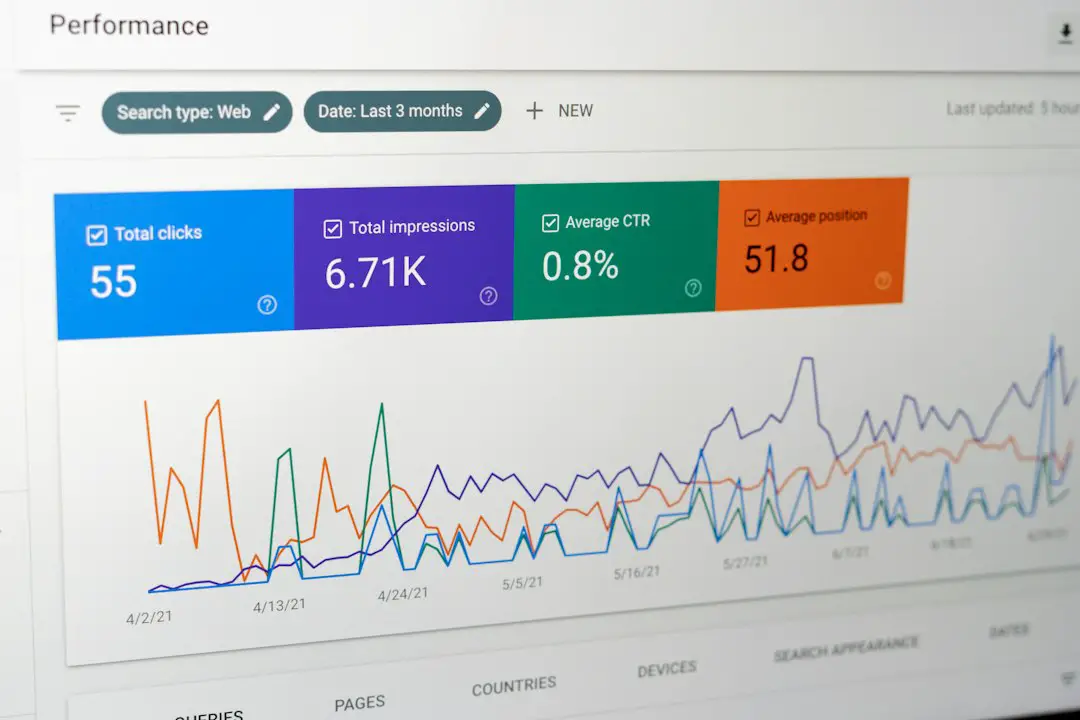
LLM visibility tools test how often your brand, products, executives, or content appear in AI-generated answers. They usually run prompt sets against platforms such as ChatGPT, Perplexity, Gemini, and Claude. Then they report mentions, ranking position, sentiment, citations, and competitor share.
This is not the same as classic SEO rank tracking. Search ranking asks, “Where is my page?” LLM visibility asks, “Does the model know, mention, trust, and cite us?” That is a harder question. It is also messier.
The catch is that no tool has perfect access to every model or every user session. AI answers can change by location, prompt wording, model version, and user context. So treat these platforms as measurement systems, not absolute truth machines.

1. Otterly.AI
Best for: marketing teams that want a clear entry point into AI search monitoring.
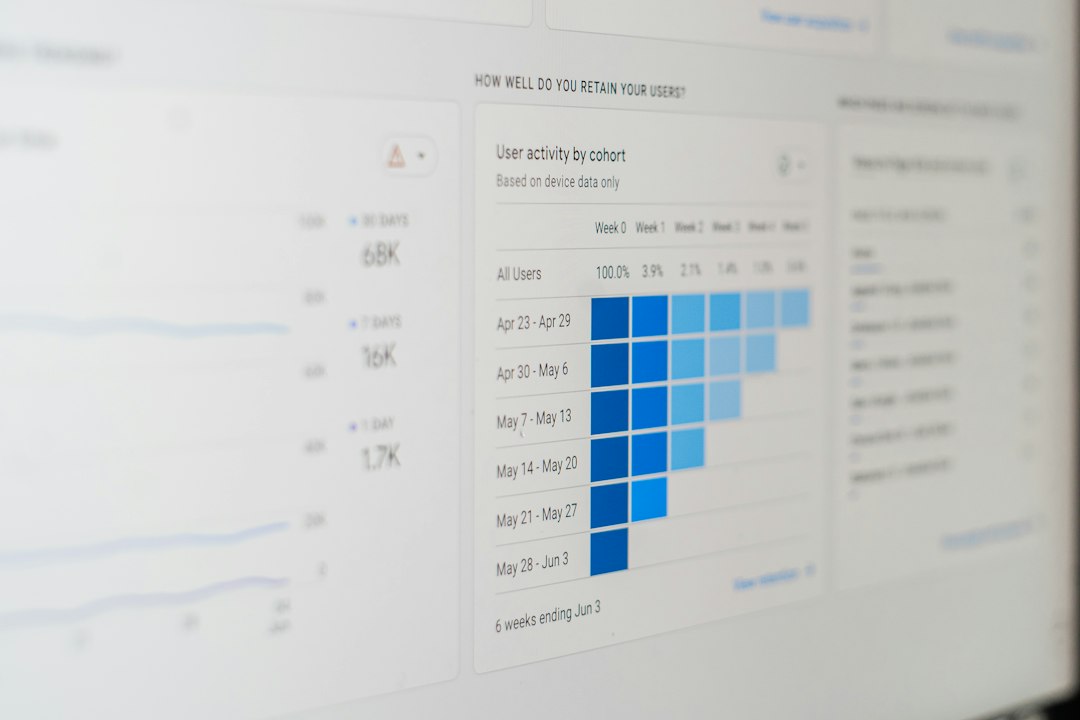
Otterly.AI tracks brand visibility across AI search and answer engines. It focuses on prompt tracking, AI mention monitoring, and competitor comparison. The interface is one of its main strengths. You can create prompt groups, watch which answers mention your brand, and see where competitors appear instead.
- Strengths: Simple setup, clean reporting, useful competitor views.
- Weak spots: Advanced workflow features may feel limited for large enterprise teams.
- Good fit: SEO teams, content teams, and agencies starting AI visibility checks.
Otterly.AI works well when you already know the buyer questions that matter. For example, “best CRM for small law firms” or “top tools for customer onboarding automation.” If those prompts are close to sales intent, the reports become much more useful.
2. Peec AI
Best for: teams focused on share of voice in AI answers.
Peec AI is built around brand tracking in LLM outputs. It helps companies see how often they are named, which competitors appear nearby, and how AI systems frame the category. This makes it useful for category leaders, challengers, and firms that depend on comparison content.
- Strengths: Strong competitor monitoring, clear brand visibility metrics, useful for market teams.
- Weak spots: It may take time to tune prompt lists so they match real buyer language.
- Good fit: B2B SaaS, agencies, and teams tracking category demand.
Honestly, it feels like prompt setup is where many teams waste the first week. If prompts are too broad, the data feels vague. If prompts are too narrow, you miss the wider market picture.
3. Profound
Best for: larger companies that need deeper AI visibility reporting.
Profound positions itself as a more advanced platform for answer engine visibility. It focuses on how brands show up across AI search systems, with attention to citations, answer patterns, market presence, and content opportunities.
- Strengths: Strong analytics depth, enterprise-friendly reporting, good for ongoing programs.
- Weak spots: More than some smaller teams need at the start.
- Good fit: enterprise SEO, communications teams, and brands with complex product lines.
Profound is the one to consider when AI visibility is tied to board reporting, PR risk, or major category positioning. It may be too much for a small team that only needs monthly checks.
4. Scrunch AI
Best for: brands that want to understand how AI systems describe them.
Scrunch AI tracks brand presence across AI platforms and helps teams spot content gaps. It is useful when your company needs to know whether AI answers use the right messaging, name the right products, and cite the right sources.
- Strengths: Brand message analysis, practical content insights, solid visibility checks.
- Weak spots: Some teams may want more granular SEO-style controls.
- Good fit: brand, content, and growth teams.
Scrunch AI can help answer a painful question: “Why does the AI mention our competitor but not us?” Sometimes the reason is simple. Your competitor has clearer third-party mentions, better comparison pages, or stronger citation signals.
5. AthenaHQ
Best for: teams that want AI visibility data tied to content action.
AthenaHQ is another platform built for AI search visibility and optimization. It focuses on tracking how brands appear in AI answers, then connecting that data to actions marketers can take. This is helpful for teams that do not want another dashboard with no next step.
- Strengths: Action-focused insights, useful tracking, good for content planning.
- Weak spots: As with all these tools, results depend heavily on prompt quality.
- Good fit: SEO teams, content managers, and AI search programs.
Quick comparison
| Platform | Best use | Main appeal |
|---|---|---|
| Otterly.AI | Starter to mid-market AI visibility tracking | Easy setup and clear reports |
| Peec AI | Competitor share of voice | Brand and market comparison |
| Profound | Enterprise reporting | Deeper analytics and citation views |
| Scrunch AI | Brand message checks | Clear view of how AI describes you |
| AthenaHQ | Turning insights into content work | Practical optimization guidance |
How to choose
Start with your main question. If you need a clean first report, try Otterly.AI. If competitor tracking matters most, test Peec AI. If leadership wants serious reporting across many markets, review Profound.
Run the same 30 to 50 prompts in each trial. Include buying questions, comparison questions, problem-based questions, and local or industry terms. Then compare three numbers: mention rate, competitor mentions, and citation quality.
Do not expect instant fixes. Expect useful clues. The best tool is the one that helps your team see where AI systems ignore you, misunderstand you, or cite weaker sources. That is where real work starts.