
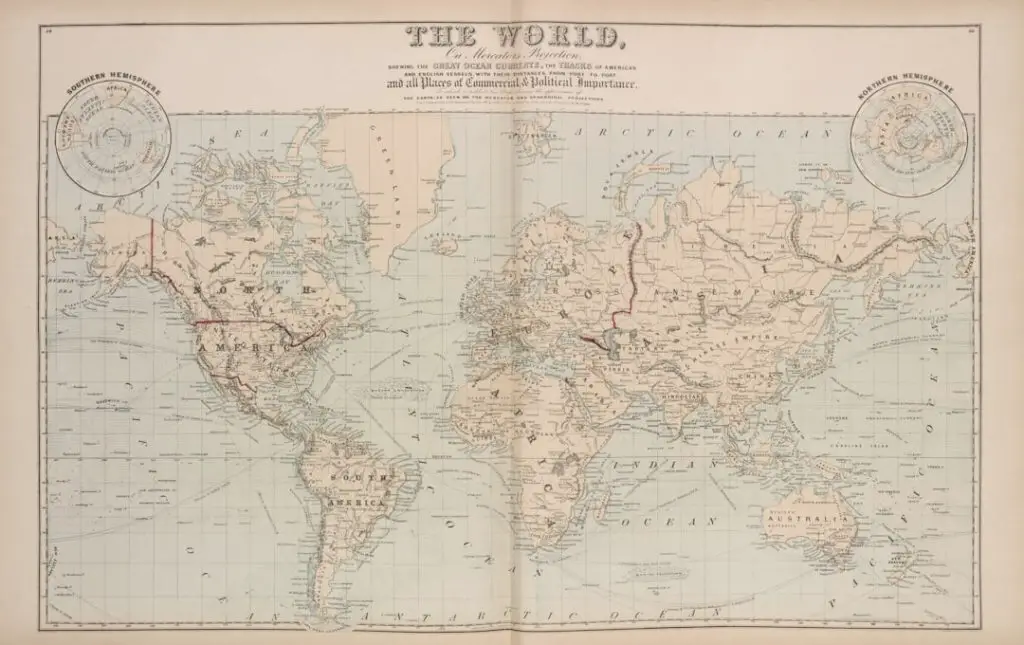
Going global sounds glamorous. New countries. New fans. New sales. But it can also get weird fast. A joke may not travel. A flavor may flop. A color may send the wrong message. That is why smart brands use localization. They do not just translate words. They adapt products, menus, apps, packaging, and even habits.
TLDR: Great localization means making a product feel local, not foreign. The best brands study culture, taste, language, laws, and daily routines. Then they change just enough to fit in. These eight brands show how small local changes can create huge global wins.
What Is Localization?
Localization is the art of making something work in a new market. It is more than changing “color” to “colour.” It can mean new ingredients. New designs. New payment options. New names. Even new product sizes.
Think of it like being a good guest. You do not walk into someone’s home and act like you own the place. You learn the rules. You respect the vibe. Then people invite you back.

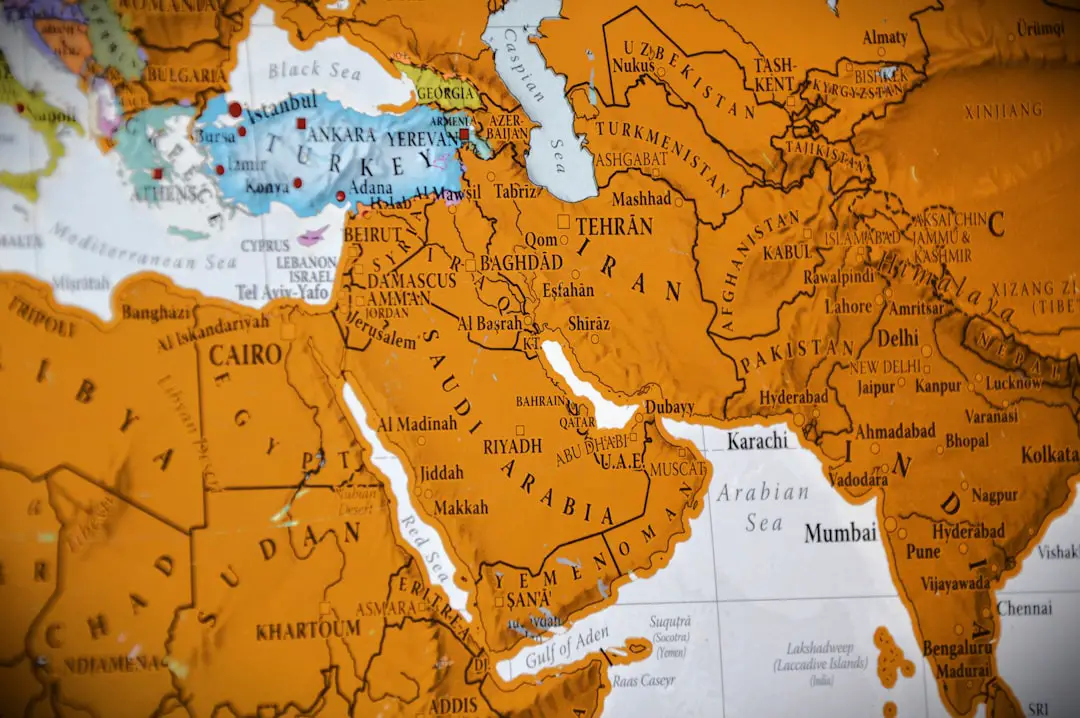
1. McDonald’s: The Menu Chameleon
McDonald’s may be famous for burgers and fries. But around the world, it acts like a food shapeshifter.
In India, many people do not eat beef. So McDonald’s created the McAloo Tikki, a spiced potato burger. It also offers many vegetarian choices. In Japan, customers can enjoy teriyaki burgers. In the Philippines, McDonald’s serves spaghetti with a sweet sauce.
This works because food is personal. Very personal. McDonald’s keeps its core idea: fast, familiar, affordable food. But it lets each country add its own flavor.
Lesson: If taste matters, local taste matters most.
2. Netflix: Subtitles, Dubs, and Local Stories
Netflix did not win the world by only exporting Hollywood shows. It invested in local language content. A lot of it.
In South Korea, Netflix backed shows like Squid Game. In Spain, it offered hits like Money Heist. In Germany, it made shows like Dark. These stories were local first. Then they became global.
Netflix also takes subtitles and dubbing seriously. The company knows people want entertainment to feel natural. Bad subtitles can ruin a great scene. A weak dub can kill the mood.
Lesson: People love global access. But they still want stories in their own voice.
3. Coca-Cola: Names, Festivals, and Feelings
Coca-Cola sells a simple drink. But it localizes the feeling around it.
The famous “Share a Coke” campaign is a great example. Coke printed popular local names on bottles in different countries. In one market, you might find “Sarah.” In another, “Aarav” or “Yuki.” The idea was simple. People love seeing their own name.
Coca-Cola also adapts campaigns for local festivals. In China, it creates special packaging for Lunar New Year. In Muslim-majority countries, it often runs campaigns around Ramadan. The product stays the same. The emotional message changes.
Lesson: Localization can be emotional, not just practical.
4. IKEA: Flat-Pack Furniture, Local Homes
IKEA is Swedish. Very Swedish. Yet it has learned that homes are different everywhere.
In Japan, homes are often smaller. So IKEA highlights compact storage and space-saving furniture. In China, store displays may show balconies used for drying clothes. That reflects real life. In the Middle East, IKEA has adapted room setups to fit bigger family gatherings.
Even the catalog changes. Photos, layouts, room sizes, and product choices may shift by country. IKEA still feels like IKEA. But it understands that a dream kitchen in Sweden may not match a dream kitchen in Shanghai.


Lesson: Show people how your product fits into their real life.
5. KFC: Winning China With Local Flavor
KFC is one of the biggest fast-food success stories in China. It did not happen by accident.
Instead of offering only fried chicken, KFC China built a menu full of local choices. It has served rice dishes, congee, egg tarts, soybean milk, and spicy chicken options. Some stores also feel more like family restaurants than quick takeout spots.
KFC understood that Chinese customers may want breakfast, rice, and shared meals. So the brand became flexible. It did not say, “Here is American chicken. Take it or leave it.” It said, “Here is KFC, with flavors you already enjoy.”
Lesson: A global brand can grow faster when it listens first.
6. Spotify: Music That Matches the Moment
Music is universal. But playlists are local.
Spotify localizes by offering music charts, playlists, and recommendations based on each market. A user in Brazil may see popular funk, sertanejo, or samba playlists. A user in India may get Bollywood, Punjabi pop, or Tamil hits. In Sweden, the mix may look very different.
Spotify also supports local artists. That is smart. People want to find global stars, yes. But they also want the songs playing at nearby parties, gyms, cafes, and weddings.
Even moods can localize. A “summer hits” playlist in Australia may peak while Europe is freezing. Timing matters.
Lesson: Personalization gets stronger when it understands place.
7. Starbucks: Coffee, Tea, and Local Rituals
Starbucks is known for coffee culture. But not every country starts the day with a giant latte.
In China, tea has deep cultural roots. So Starbucks added tea-based drinks and local flavors. In Japan, it often launches seasonal items with matcha, sakura, and regional ingredients. In the Middle East, stores may offer designs and spaces that suit social gatherings.
The brand also localizes store design. Some locations use local architecture, materials, or art. This makes the cafe feel less like a copy-paste box and more like part of the neighborhood.


Lesson: Keep your brand identity, but let local culture decorate it.
8. Nintendo: Games That Cross Cultures
Nintendo has spent decades making games for the world. But games are full of language, humor, symbols, and tiny cultural details.
When Nintendo localizes games, it often adapts jokes, character names, and dialogue. A pun in Japanese may make no sense in English. So the local team creates a new joke that gives players the same fun feeling.
Some games also need changes for rating systems or cultural rules. Certain images, names, or references may be adjusted. The goal is not to erase the game. The goal is to help players enjoy it without confusion.
Lesson: Good localization protects the experience, not just the words.
Why These Examples Work
These brands are very different. Burgers. Streaming. Soda. Furniture. Chicken. Music. Coffee. Games. Yet they all follow the same basic rules.
- They respect local habits. They learn how people eat, shop, relax, and celebrate.
- They keep the brand core. McDonald’s is still fast food. Spotify is still music. IKEA is still practical design.
- They change the right details. Not everything needs to change. But the important parts do.
- They avoid lazy translation. Words matter. But meaning matters more.
- They test and learn. Localization is not one big guess. It is a process.
Common Localization Mistakes
Even big brands can mess this up. Sometimes they translate slogans badly. Sometimes they ignore local values. Sometimes they assume one country is just like another. That is risky.
Here are a few classic mistakes to avoid:
- Using one global campaign everywhere. It may feel bland or tone-deaf.
- Ignoring local laws. Packaging, claims, data rules, and ads can all vary.
- Forgetting local competitors. A global name does not always beat a trusted local brand.
- Changing too much. If everything changes, people may not know what the brand stands for.
The Big Takeaway
Localization is not about pretending to be local. It is about being useful, respectful, and relevant in a local way.
The best global brands do not march into new markets with a megaphone. They arrive with curiosity. They ask questions. They taste the food. They learn the jokes. They study the home, the street, the phone, and the shopping basket.
Then they adapt.
That is the magic. A product can travel far. But to truly succeed, it must feel close to home.