
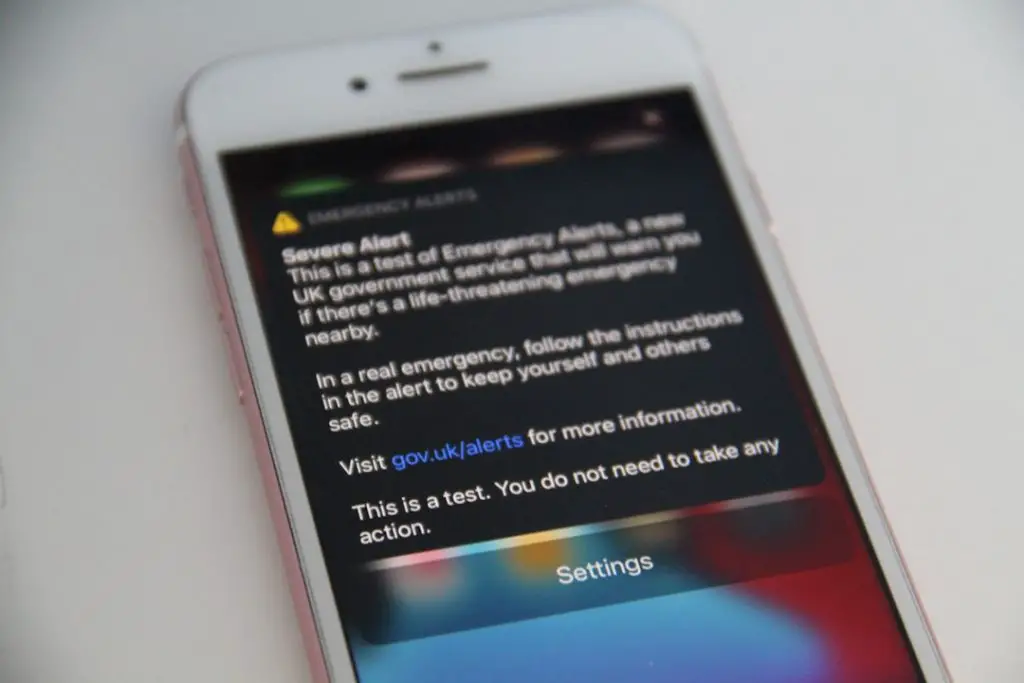
Push notifications can be one of the most effective channels for driving engagement, retention, and timely action. They are direct, visible, and often delivered to a user’s most personal device. Yet the same qualities that make them powerful also make them risky. Without careful frequency control, notifications can quickly shift from helpful to intrusive, leading to opt-outs, app uninstalls, and long-term damage to customer trust.
TLDR: Mastering push notification frequency caps means finding the right balance between visibility and restraint. A good cap protects users from message fatigue while still allowing important communications to reach them. The best approach combines behavioral data, message priority, user segmentation, and continuous testing. Frequency caps should be treated as a strategic retention tool, not just a technical setting.
Why Frequency Caps Matter
A frequency cap is a rule that limits how many push notifications a user can receive within a specific period, such as an hour, day, week, or month. At first glance, this may seem like a simple operational safeguard. In practice, it is a critical part of user experience management.
Every notification competes for attention. If a user receives too many, even relevant messages can begin to feel disruptive. This is especially true for apps in industries such as retail, media, fitness, finance, travel, and food delivery, where multiple teams may want to send messages for promotions, updates, reminders, and alerts.
When frequency caps are poorly managed, organizations often see warning signs such as:
- Higher push opt-out rates
- Lower open and click-through rates
- Increased app uninstall rates
- Declining session frequency
- Negative feedback from users
By contrast, well-designed caps can improve message quality, encourage internal discipline, and help ensure that each notification has a clear purpose.

Start With User Trust, Not Message Volume
The central question should not be, “How many notifications can we send?” A better question is, “How many notifications can we send while still preserving user trust?”
Users grant notification permission because they expect value. That value may be practical, such as a delivery update, security alert, or appointment reminder. It may also be commercial, such as a limited-time offer or personalized recommendation. However, the user’s tolerance depends heavily on relevance, timing, and perceived benefit.
A banking app sending a fraud alert is very different from a shopping app sending a generic sale reminder. One is urgent and protective; the other is optional and easy to ignore. This distinction is essential when building frequency cap rules.
Define Notification Priority Levels
Not every push notification should be treated equally. A mature push strategy assigns priority levels to messages and uses those levels to determine how caps apply.
Common priority categories include:
- Critical alerts: Security issues, payment failures, travel disruptions, emergency updates, or account-related warnings.
- Transactional messages: Order confirmations, delivery updates, booking reminders, password resets, or appointment notifications.
- Behavioral triggers: Cart abandonment, incomplete onboarding, content recommendations, or usage milestones.
- Marketing campaigns: Promotions, product announcements, seasonal campaigns, and general engagement messages.
Critical and transactional messages may need to bypass standard caps, although they should still be governed by strict relevance rules. Marketing campaigns, on the other hand, should usually be subject to the strongest frequency limits because they are more likely to cause fatigue.
Use Segmentation to Avoid One-Size-Fits-All Caps
A single universal cap is rarely optimal. Different users have different engagement patterns, preferences, and tolerance levels. A highly active user who opens the app daily may accept more frequent notifications than a dormant user who has not engaged in weeks.
Useful segmentation criteria include:
- Engagement level: Active, occasional, dormant, or newly acquired users.
- Lifecycle stage: Onboarding, retention, reactivation, loyalty, or churn risk.
- Behavioral history: Purchase frequency, browsing patterns, content preferences, or feature usage.
- Notification response: Open rates, dismissals, conversions, and opt-out behavior.
- Geography and time zone: Local timing, cultural expectations, and regional campaign relevance.
For example, a new user going through onboarding may benefit from a short sequence of helpful reminders, while a long-term customer may prefer fewer but more personalized updates. Similarly, a dormant user may need a carefully spaced reactivation campaign rather than repeated daily prompts.

Establish Practical Cap Windows
Frequency caps should be set across multiple time windows. A daily cap alone does not prevent three notifications from arriving within one hour. A weekly cap alone may still allow excessive bursts on a single day. Layered caps provide better protection.
A practical structure might include:
- Hourly cap: Prevents sudden clustering of messages.
- Daily cap: Controls overall daily interruption.
- Weekly cap: Limits cumulative fatigue.
- Campaign cap: Prevents repeated exposure to the same promotion.
There is no universal number that works for every business. However, many organizations begin conservatively, such as one to two marketing pushes per day and three to five per week, then adjust based on engagement and churn indicators. The key is to monitor not only conversions, but also signs of annoyance.
Coordinate Across Teams and Campaigns
Frequency cap problems often occur when multiple departments send notifications independently. Marketing may schedule a promotion, product may send feature education, lifecycle teams may run onboarding flows, and operations may send service updates. From the user’s perspective, these all come from the same app.
To avoid internal competition, organizations should maintain a centralized notification calendar and governance process. This does not need to be overly bureaucratic, but it should answer important questions:
- Which messages are scheduled for each user segment?
- Which campaign has priority if caps are reached?
- Are users receiving repetitive or conflicting messages?
- Is there a quiet period after high-volume campaigns?
Strong governance ensures that frequency caps are enforced consistently and that the most valuable messages are not crowded out by lower-priority campaigns.
Respect Timing and Quiet Hours
Frequency is not only about how many messages users receive. It is also about when they receive them. A single notification sent at the wrong time can feel more intrusive than several well-timed messages.
Quiet hours are essential. Unless a notification is genuinely urgent, it should not arrive late at night or very early in the morning. Time zone accuracy is also critical, especially for international audiences. Sending a campaign based on headquarters’ local time can create poor experiences for users elsewhere.
Behavior-based timing can further improve results. If data shows that a user typically engages in the evening, sending during that window may increase relevance and reduce disruption. However, this should be applied carefully and transparently, with respect for privacy expectations.
Measure Both Positive and Negative Signals
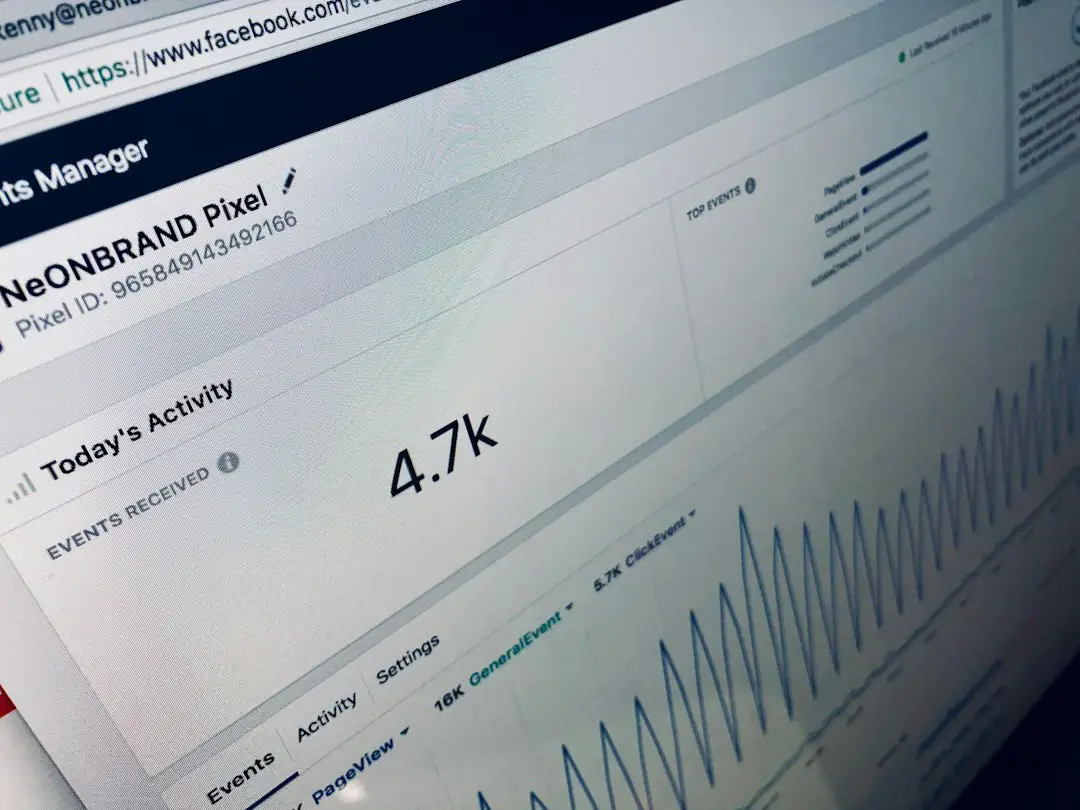
It is tempting to judge frequency caps only by revenue, clicks, or immediate conversions. These metrics matter, but they do not tell the full story. A campaign can drive short-term clicks while also increasing opt-outs or uninstalls.
Track a balanced set of metrics, including:
- Push open rate
- Conversion rate
- Opt-out rate
- App uninstall rate
- Session frequency after notification receipt
- Revenue or goal completion per user
- Long-term retention by notification exposure level
One particularly useful analysis is comparing users by notification volume. If users who receive more than a certain number of pushes per week show lower retention, that threshold should inform cap adjustments.

Test, Learn, and Adjust Gradually
Frequency caps should not be set once and forgotten. User behavior changes over time, and business priorities shift. Seasonal periods, product launches, market conditions, and customer expectations can all affect notification tolerance.
A disciplined testing program can help identify optimal limits. For example, one segment might receive a maximum of three marketing notifications per week, while another receives five. The goal is not simply to see which group produces more immediate conversions, but which group delivers stronger retention, lower opt-outs, and better lifetime value.
Changes should be gradual. Raising caps too aggressively may create a short-term lift followed by long-term fatigue. Reducing caps too sharply may cause missed engagement opportunities. The most reliable approach is incremental testing supported by clear success metrics.
Give Users More Control
Even the best frequency strategy benefits from user choice. Preference centers allow users to select the types of notifications they want, such as deals, reminders, recommendations, or account updates. They may also allow users to choose preferred frequency, topics, or quiet hours.
This approach improves trust because it shifts the relationship from interruption to consent. It also provides valuable first-party preference data, allowing future campaigns to become more relevant. When users can control what they receive, they are less likely to disable notifications entirely.
Conclusion
Mastering push notification frequency caps requires a serious commitment to user experience, data discipline, and organizational coordination. The goal is not to send fewer messages for the sake of restraint, nor to send more messages for the sake of reach. The goal is to send the right messages, at the right frequency, to the right users.
When frequency caps are properly designed, they protect attention, reduce fatigue, and improve the long-term value of the push channel. More importantly, they demonstrate respect for the user. In a digital environment where attention is limited and trust is difficult to regain once lost, that respect is a competitive advantage.