

Pay-per-click advertising has become a game of precision. It is no longer enough to launch ads, pick a few keywords, and wait for conversions. Modern PPC success depends on intelligence: the ability to collect data, interpret signals, understand competitors, and make faster decisions than the market around you. PPC intelligence brings together tools, strategy, automation, and human judgment to help advertisers spend smarter and improve campaign performance over time.
TLDR: PPC intelligence helps advertisers make better decisions by combining campaign data, competitor insights, keyword research, audience signals, and automation. The best results come from using tools not just to collect information, but to turn that information into clear actions. Strong PPC performance depends on continuous testing, smart budget allocation, and a deep understanding of user intent.
What Is PPC Intelligence?
PPC intelligence refers to the process of gathering and analyzing data to improve paid search, paid social, display, shopping, and remarketing campaigns. It includes everything from identifying profitable keywords to monitoring competitors, analyzing ad copy, studying landing page performance, and forecasting budget opportunities.
At its core, PPC intelligence answers practical questions such as:
- Which keywords generate revenue instead of just clicks?
- Which competitors are bidding on the same terms?
- What ad messages are attracting attention in the market?
- Where is budget being wasted?
- Which audiences are most likely to convert?
- How can automation improve performance without losing control?
The value lies not in having more data, but in having more useful data. A PPC dashboard filled with metrics is only helpful if it leads to decisions that reduce waste, increase relevance, and improve return on ad spend.

Key Tools Used in PPC Intelligence
There are many platforms that support PPC intelligence, and each plays a different role in the campaign optimization process. The most effective advertisers usually combine several types of tools rather than relying on a single source.
1. Keyword Research Tools
Keyword tools help advertisers discover search demand, estimate competition, and identify opportunities. They reveal not only popular queries but also long-tail keywords that may have lower cost and stronger buyer intent. A broad keyword like running shoes may attract huge traffic, but a more specific term like best trail running shoes for wet terrain can signal a user who is much closer to making a purchase.
Good keyword intelligence also includes negative keyword research. Negative keywords prevent ads from appearing for irrelevant searches, protecting budget from low-quality clicks. For example, a premium software company may want to exclude terms such as free, crack, or template if those searches do not align with its offer.
2. Competitor Research Tools
Competitor intelligence tools show who is appearing in paid results, which keywords they may be targeting, and what kind of ad messaging they use. This does not mean copying competitors. Instead, it helps advertisers understand the landscape.
If every competitor is promoting discounts, a brand might stand out by emphasizing quality, speed, guarantees, or expert support. If competitors dominate high-cost keywords, it may be smarter to target niche segments or informational searches that can be nurtured into conversions later.
3. Analytics and Attribution Platforms
Clicks are easy to measure. Profit is harder. Analytics platforms help connect ad interactions to meaningful business outcomes such as leads, purchases, subscriptions, booked calls, or customer lifetime value.
Attribution is especially important when a buyer interacts with multiple touchpoints before converting. A user might first click a search ad, later see a remarketing display ad, and finally convert through a branded search. Without proper attribution, advertisers may overvalue the last click and undervalue the earlier interactions that helped create demand.
4. Landing Page and Conversion Tools
A PPC campaign can have excellent targeting and still fail if the landing page is weak. Conversion intelligence tools track user behavior through heatmaps, scroll maps, session recordings, form analytics, and A/B tests.
These tools often reveal issues that ad platforms cannot. For instance, users may be clicking an ad with strong intent but abandoning the page because the form is too long, the headline does not match the ad, the page loads slowly, or the call to action is unclear.

Strategies for Better Campaign Performance
Segment Campaigns by Intent
One of the most effective PPC intelligence strategies is to organize campaigns around user intent. Not all searches are equal. Some users are researching, some are comparing options, and others are ready to buy.
Intent-based segmentation allows advertisers to write better ads, set smarter bids, and create more relevant landing pages. For example:
- Informational intent: “how to choose accounting software”
- Comparison intent: “best accounting software for small business”
- Transactional intent: “buy cloud accounting software”
- Branded intent: searches for a specific company or product name
Each group deserves a different message. Informational searches may need educational content, while transactional searches need strong offers, proof, and simple conversion paths.
Use Data to Improve Ad Copy
Ad copy is one of the fastest areas to test and improve. PPC intelligence can reveal which benefits, emotional triggers, and calls to action resonate with different audiences.
Instead of testing random phrases, use data from search terms, customer reviews, sales calls, and competitor ads. Look for patterns in the language customers already use. If buyers frequently mention “easy setup,” “fast support,” or “no hidden fees,” those phrases may be powerful additions to ad headlines and descriptions.
Strong ad copy usually connects three elements: relevance, differentiation, and urgency. It should make users feel that the ad understands their need, offers a clear reason to choose the brand, and gives them a reason to act now.
Monitor Search Terms Regularly
The search terms report is one of the richest sources of PPC intelligence. It shows the actual queries that triggered ads, which can be different from the keywords an advertiser selected.
Regular search term analysis helps identify:
- New keyword opportunities
- Irrelevant queries to exclude
- Customer questions and pain points
- Trends in demand or market language
- Gaps between keyword targeting and real user intent
This process is especially important when using broad match keywords or automated bidding. Automation can expand reach, but human review is still needed to ensure traffic quality.
Combine Automation with Human Oversight
Automated bidding, responsive ads, machine learning audiences, and budget optimization can dramatically improve campaign efficiency. However, automation works best when it is guided by clean data and clear goals.
Before relying heavily on automation, advertisers should ensure conversion tracking is accurate. If a campaign optimizes for low-value actions, such as accidental form starts or unqualified leads, the algorithm may learn the wrong pattern. The better the input data, the better the automated decisions.
Human oversight remains essential. Marketers still need to evaluate strategy, brand positioning, margins, seasonality, and competitive context. Automation can calculate quickly, but it does not always understand business nuance.
Metrics That Matter Most
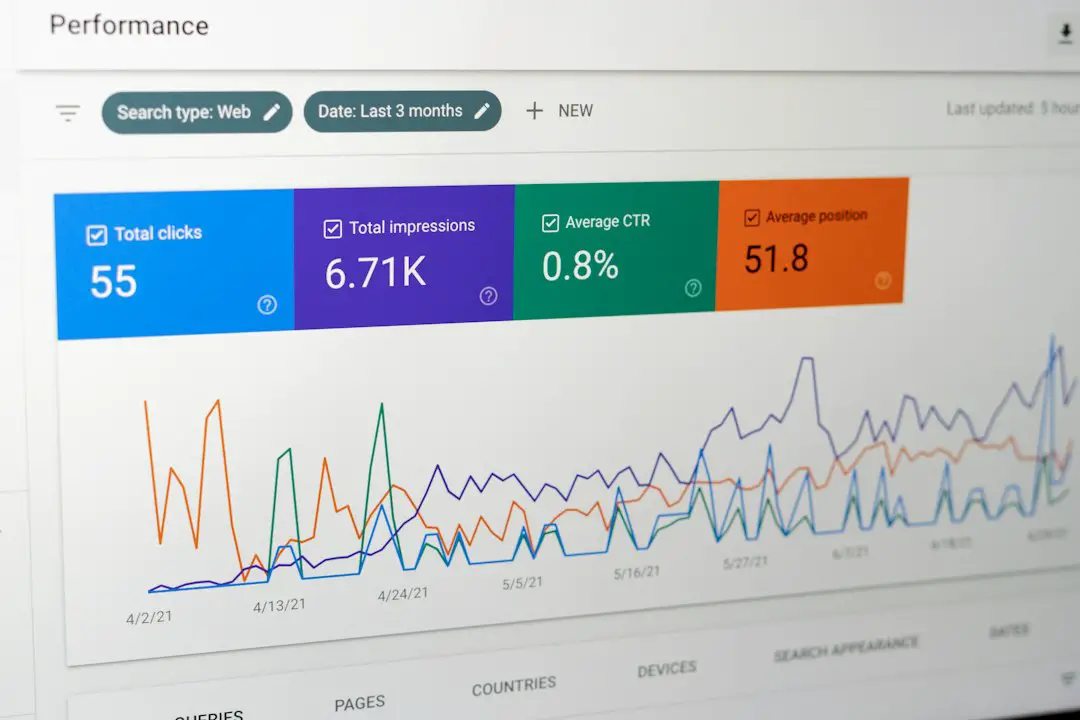
PPC intelligence depends on choosing the right metrics. While clicks and impressions are useful, they do not tell the full story. A campaign with a high click-through rate may still perform poorly if the clicks do not convert.
Important metrics include:
- Conversion rate: the percentage of users who complete a desired action
- Cost per acquisition: how much it costs to generate one customer or lead
- Return on ad spend: revenue generated for every advertising dollar spent
- Quality Score or ad relevance: indicators of how well ads and landing pages match user intent
- Customer lifetime value: the long-term value of acquired customers
- Impression share: how often ads appear compared with available opportunities
The best metric depends on the business model. An ecommerce brand may focus on return on ad spend, while a B2B company may prioritize qualified lead cost and pipeline value. PPC intelligence becomes more powerful when campaign metrics are connected to real business outcomes.
Turning Intelligence into Action
Data alone does not improve PPC performance. Action does. The most successful advertisers build a regular optimization rhythm: review performance, identify insights, prioritize changes, test improvements, and measure results.
A practical weekly workflow might include checking budget pacing, reviewing search terms, analyzing top and bottom-performing ads, monitoring competitor movement, and evaluating landing page performance. Monthly reviews can focus on larger questions, such as channel mix, audience strategy, attribution, and profitability.
It is also important to document tests. Without a clear record of what changed and why, teams may repeat failed experiments or misinterpret results. PPC intelligence should create a learning system where every campaign becomes smarter over time.
Final Thoughts
PPC intelligence is not about chasing every metric or using every tool available. It is about making better decisions with better evidence. When advertisers understand keywords, audiences, competitors, landing pages, and conversion data, they can build campaigns that are more relevant, efficient, and profitable.
The strongest PPC programs combine technology with strategic thinking. Tools can reveal opportunities, but marketers must decide which opportunities matter. In a competitive advertising environment, that combination of insight and action is what turns paid clicks into measurable growth.