
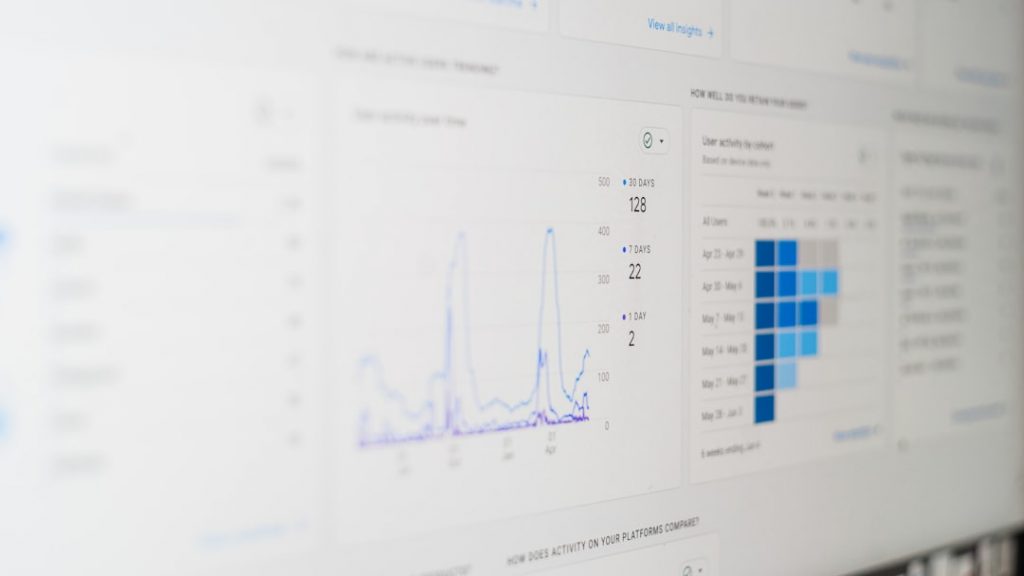
In the digital age, property valuation is no longer reserved for professional appraisers and real estate agents. With a few clicks, homeowners, buyers, and investors can access estimated home values using online platforms like Zillow’s Zestimate and similar automated valuation tools. These platforms have transformed how people research property prices, negotiate deals, and evaluate investment opportunities. But how accurate are they, how do they work, and when should you rely on them?
TLDR: Property valuation tools like Zillow Zestimate use automated algorithms and public data to estimate home values quickly and conveniently. They are useful starting points for buyers, sellers, and investors but are not substitutes for professional appraisals. Accuracy varies depending on data availability, market conditions, and property uniqueness. Use them as guides—not definitive price tags.
Online property valuation tools—often called Automated Valuation Models (AVMs)—use large datasets and algorithms to estimate a property’s market value. These tools analyze public records, recent home sales, tax assessments, property features, and market trends. Within seconds, they produce a price estimate that once required detailed manual analysis.
How Property Valuation Tools Work
At their core, valuation tools rely on complex algorithms and massive databases. While each platform has proprietary methods, most follow a similar approach:
- Public Records Analysis: Tax assessments, deeds, lot size, square footage, and building permits.
- Comparable Sales (Comps): Recently sold properties with similar characteristics in the same area.
- Market Trends: Local appreciation rates, supply and demand metrics, and seasonal changes.
- User-Submitted Data: Home improvements or updated property details provided by owners.
The system processes these variables through statistical modeling or machine learning algorithms. Over time, artificial intelligence helps refine the accuracy by identifying patterns in sales data.

As more transactions occur and data is updated, the model recalibrates. This continuous learning process is what allows tools like Zestimate to remain relatively current, though updates may lag in fast-moving markets.
The Benefits of Using AVMs
There’s a reason millions of users turn to property valuation tools each month. Their advantages are significant:
1. Instant Accessibility
Instead of scheduling an appraisal or contacting a real estate agent, users can retrieve a valuation instantly. This accessibility makes preliminary research easy and convenient.
2. Cost-Effective
Traditional appraisals can cost hundreds of dollars. Online valuation tools are typically free, offering a starting point without financial commitment.
3. Market Transparency
Buyers and sellers gain better visibility into pricing trends. This transparency empowers consumers and balances negotiations.
4. Investor Efficiency
Real estate investors use AVMs to quickly screen multiple properties before conducting deeper due diligence.
For many users, these platforms serve as a research hub, offering historical data, neighborhood insights, and price comparisons in one place.
Accuracy: The Big Question
Despite their usefulness, automated valuations are not perfect. Accuracy depends heavily on several factors:
- Data Availability: Urban areas with frequent sales provide stronger data sets than rural locations.
- Property Uniqueness: Custom homes or luxury estates can be harder to value algorithmically.
- Recent Renovations: Upgrades may not be reflected unless recorded in official data.
- Rapid Market Changes: Sudden economic shifts can temporarily skew automated estimates.
Most platforms publish a “median error rate” to indicate overall reliability. In metropolitan regions with dense sales data, estimates are often within a small percentage of the final sale price. However, outliers do occur.
It’s essential to understand that an AVM is an estimate, not an appraisal. Licensed appraisers conduct physical inspections, evaluate condition, and assess nuances that algorithms cannot always capture.
When to Use Property Valuation Tools
Automated estimates are most useful in the early decision-making stages:
- Researching whether to sell your home
- Exploring affordability in a target neighborhood
- Estimating equity for refinancing discussions
- Preliminary screening of investment properties

For example, a homeowner considering listing their property might check several online estimates to gauge a reasonable range. Meanwhile, buyers can compare multiple homes quickly before engaging agents.
However, when financial stakes are high—such as securing a mortgage, setting a final listing price, or settling legal disputes—professional appraisals or comparative market analyses (CMAs) are still essential.
Common Misconceptions
Online property valuation tools are often misunderstood. Let’s clarify a few frequent myths:
“The Zestimate Is the Exact Selling Price.”
Market value is ultimately determined by what a buyer is willing to pay. Online estimates provide a data-backed range, but negotiations, bidding wars, and buyer sentiment can shift the final number.
“All Valuation Tools Are the Same.”
Different platforms use different methodologies and data sources. It’s smart to compare multiple estimates to find a more balanced view.
“They Don’t Improve Over Time.”
Machine learning models continually update as new sale data becomes available. In many regions, accuracy has steadily improved over the years.
The Role of Big Data and AI
The evolution of property valuation tools reflects advancements in big data and artificial intelligence. Millions of data points—including historical pricing trends, neighborhood dynamics, and buyer behavior—feed predictive models.
Modern systems may analyze:
- Local school ratings
- Crime statistics
- Urban development plans
- Transportation access
- Economic indicators
Machine learning algorithms detect patterns that humans might overlook. For instance, proximity to newly opened commercial developments can subtly influence property appreciation rates.


As artificial intelligence becomes more sophisticated, predictions are likely to become increasingly dynamic—updating in near real time as new transactions close.
Limitations to Keep in Mind
Despite technological progress, limitations remain:
- No Physical Inspection: Condition, renovations, and curb appeal can heavily impact value but may not be fully captured.
- Emotional Appeal: Buyer psychology and bidding competition are difficult to quantify.
- Local Market Nuances: Hyper-local factors like street desirability may not be adequately reflected.
Consider two nearly identical houses on the same street—one freshly renovated, one outdated. An automated model might estimate them similarly, even though buyers would value them differently.
How to Use Valuation Tools Strategically
To get the most out of platforms like Zestimate, follow these practical tips:
- Compare Multiple Sources: Use at least two or three platforms for a broader range.
- Update Property Information: If the platform allows, add recent renovations or corrections.
- Review Comparable Sales: Look beyond the estimate and examine nearby recent transactions.
- Consult an Expert: Pair online research with advice from a local real estate agent.
This balanced approach combines technological efficiency with human expertise.
The Future of Property Valuation
As the real estate industry continues to digitize, property valuation tools will likely grow more granular and predictive. Integration with smart home data, satellite imagery analysis, and real-time market sentiment tracking could further refine estimates.
Additionally, blockchain-based property records and enhanced public data transparency may reduce discrepancies and improve reliability. The combination of reliable data and advanced AI could narrow the gap between automated estimates and formal appraisals.
Still, real estate remains both a financial and emotional decision. While numbers guide transactions, personal preferences, lifestyle needs, and negotiation dynamics will always influence final sale prices.
Final Thoughts
Property valuation tools like Zillow Zestimate have revolutionized how we understand home values. They democratize access to information, empower consumers, and streamline early research. For buyers and sellers alike, these platforms provide a helpful starting point in navigating today’s housing market.
However, their estimates should be viewed as guideposts rather than guarantees. By combining automated insights with professional advice and local expertise, you can make more informed, confident real estate decisions.
In a world increasingly driven by data, understanding how these tools work—and where their limits lie—is the key to unlocking their true value.