
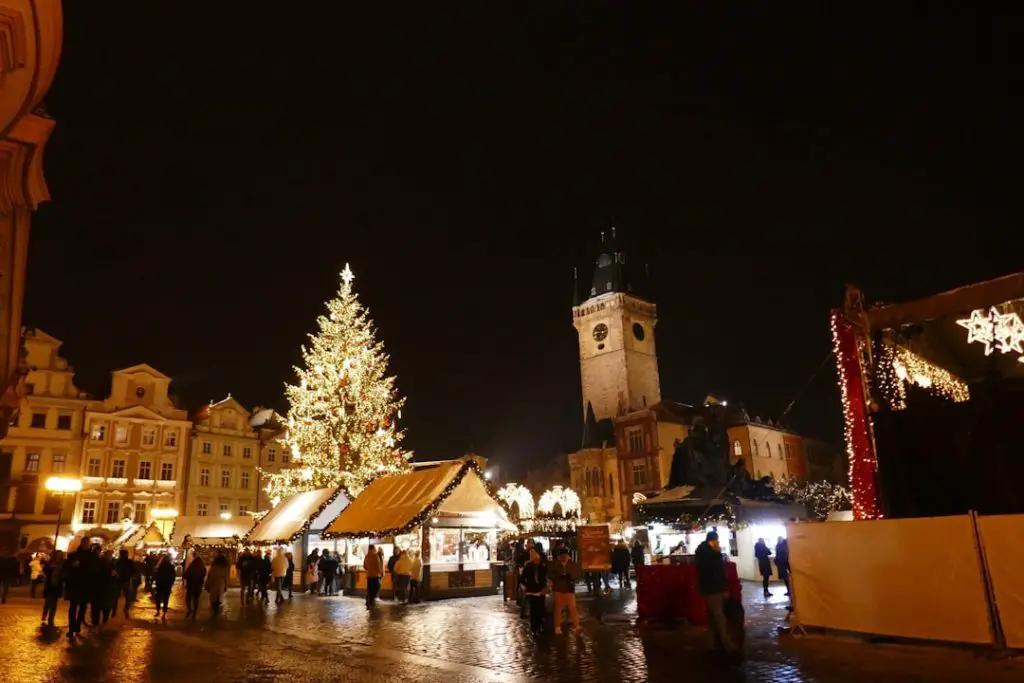
The Czech Republic observes a rich calendar of public holidays and commemorative days that reflect its deep historical roots, Christian traditions, and modern democratic identity. In 2026, citizens and visitors alike will experience a balanced mix of state holidays, religious celebrations, and meaningful observances distributed throughout the year. These days not only provide time for rest and family gatherings but also serve as powerful reminders of the nation’s cultural heritage and significant historical milestones.
TLDR: In 2026, the Czech Republic celebrates 13 official public holidays, combining religious traditions with key historical anniversaries. Major holidays such as Easter, Christmas, and St. Wenceslas Day remain central to national life, while statehood and freedom commemorations reflect the country’s modern identity. Many holidays fall near weekends in 2026, offering opportunities for extended breaks. Understanding these dates helps residents and travelers plan accordingly while appreciating Czech culture.
Overview of Public Holidays in 2026
The Czech Republic recognizes 13 official public holidays established by law. On these days, most government offices, banks, post offices, and many businesses close. If a holiday falls on a weekend, it is generally not moved to a weekday, unlike in some other European countries.
Here is a chronological overview of public holidays in 2026:
- January 1 (Thursday) – Restoration Day of the Independent Czech State & New Year’s Day
- April 3 (Friday) – Good Friday
- April 6 (Monday) – Easter Monday
- May 1 (Friday) – Labour Day
- May 8 (Friday) – Victory in Europe Day
- July 5 (Sunday) – Saints Cyril and Methodius Day
- July 6 (Monday) – Jan Hus Day
- September 28 (Monday) – St. Wenceslas Day (Czech Statehood Day)
- October 28 (Wednesday) – Independent Czechoslovak State Day
- November 17 (Tuesday) – Struggle for Freedom and Democracy Day
- December 24 (Thursday) – Christmas Eve
- December 25 (Friday) – Christmas Day
- December 26 (Saturday) – St. Stephen’s Day
Winter Holidays: A Reflective Beginning and Festive End
The year begins with a dual celebration on January 1. In addition to welcoming the New Year, the Czech Republic commemorates the Restoration Day of the Independent Czech State, marking the peaceful dissolution of Czechoslovakia in 1993 and the formation of the Czech Republic.
Meanwhile, the holiday season reaches its peak in late December. Christmas celebrations in the Czech Republic are especially meaningful.

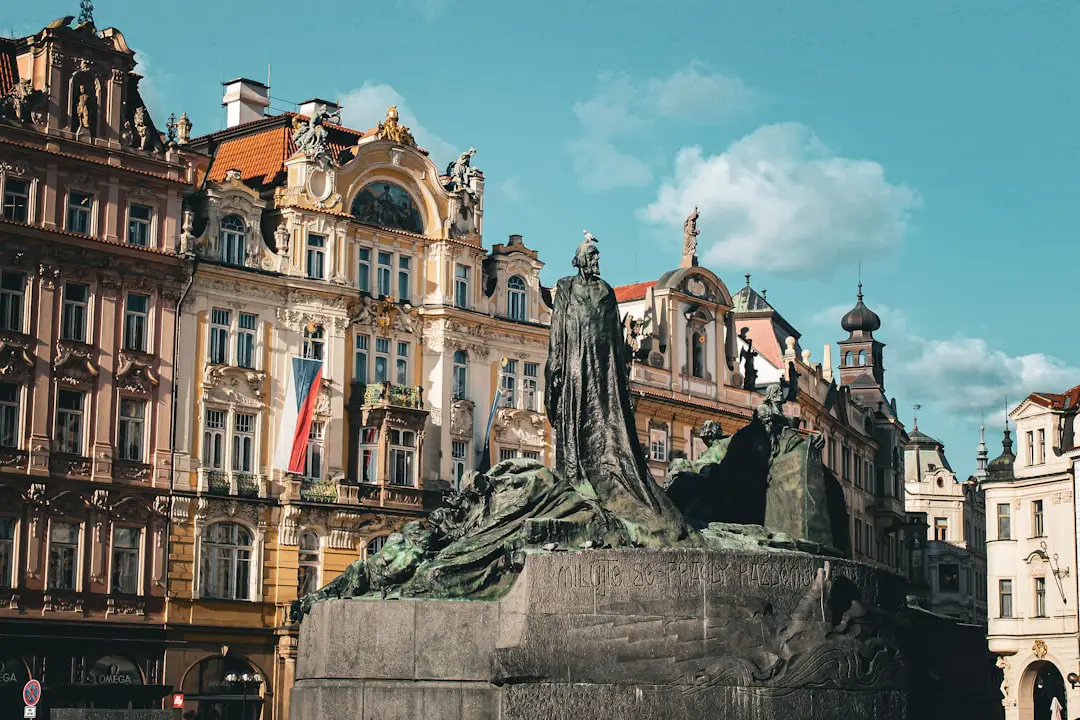
Christmas Eve (December 24) is the most significant day of the holiday season. Families gather for a traditional dinner often consisting of fried carp and potato salad. Gifts are exchanged in the evening, brought by Ježíšek (Baby Jesus). December 25 and 26 are official public holidays, devoted to relaxation, visits with relatives, and festive meals.
Spring: Easter and National Pride
Easter plays a central role in Czech spring traditions. In 2026, Good Friday falls on April 3, and Easter Monday on April 6, creating a long weekend.
Easter Monday features unique Czech customs. Boys traditionally braid willow switches called pomlázka and lightly tap girls on the legs to symbolize health and youth for the coming year. Although rooted in pagan traditions, Easter also holds deep Christian significance.
May brings two holidays that often allow long weekends:
- May 1 – Labour Day: This day celebrates workers’ rights and is also associated with springtime and romance. Couples often visit parks, especially Prague’s Petřín Hill.
- May 8 – Victory in Europe Day: Commemorates the end of World War II in Europe in 1945 and honors those who fought for freedom.
Summer Observances: Faith and Reform
July contains two back-to-back significant holidays in 2026:
- July 5 – Saints Cyril and Methodius Day (Sunday)
- July 6 – Jan Hus Day (Monday)
Saints Cyril and Methodius are credited with bringing Christianity and the first Slavic alphabet to the region in the 9th century. Religious services and cultural events mark the day.
The following day honors Jan Hus, the 15th-century religious reformer who was burned at the stake in 1415. He remains a powerful symbol of moral courage and reform. His legacy influenced Protestant movements across Europe.

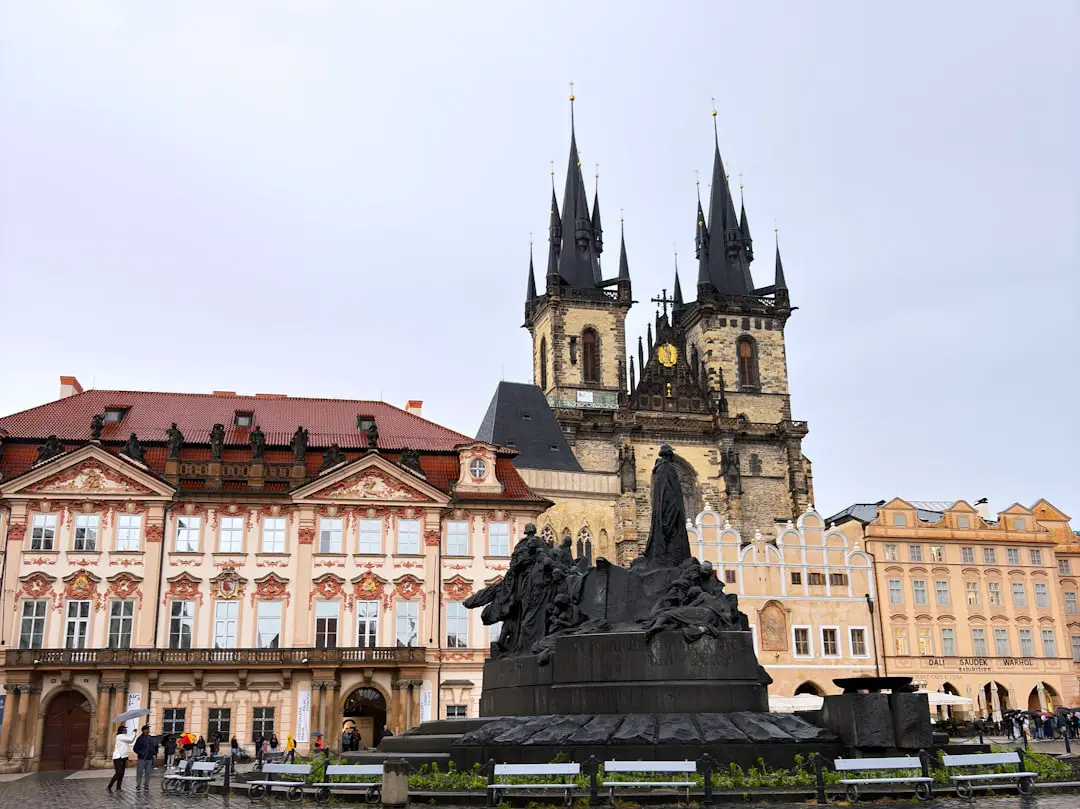
Because July 6 falls on a Monday in 2026, many people will benefit from a three-day weekend, especially since July 5 occurs on Sunday.
Autumn: Statehood and Democracy
Autumn features several deeply patriotic holidays.
September 28 – St. Wenceslas Day celebrates the patron saint of the Czech lands. St. Wenceslas symbolizes national unity and statehood. Ceremonies occur in Prague and Stará Boleslav, where he was assassinated in 935.
October 28 – Independent Czechoslovak State Day marks the founding of Czechoslovakia in 1918 following the collapse of the Austro-Hungarian Empire. The President traditionally awards state honors during a televised ceremony.
November 17 – Struggle for Freedom and Democracy Day commemorates two major historical events: the Nazi crackdown on Czech universities in 1939 and the student demonstrations in 1989 that sparked the Velvet Revolution, leading to the end of communist rule.
Image not found in postmetaThis day remains particularly meaningful for modern Czech identity, highlighting the country’s commitment to democracy and human rights.
Observances vs. Public Holidays
In addition to official holidays, the Czech Republic recognizes several important observance days that are not days off work. These include:
- January 27 – Holocaust Remembrance Day
- March 8 – International Women’s Day
- May 5 – Prague Uprising Anniversary
- June 10 – Lidice Memorial Day
While businesses remain open, schools and institutions often hold educational programs or memorial ceremonies.
How Holidays Affect Business and Travel in 2026
In 2026, several public holidays conveniently fall on Fridays or Mondays, creating extended weekends. These include:
- Good Friday (April 3)
- Easter Monday (April 6)
- Labour Day (May 1)
- Victory in Europe Day (May 8)
- Jan Hus Day (July 6)
- St. Wenceslas Day (September 28)
This pattern may result in increased domestic tourism, especially to mountain areas and historical cities such as Prague, Český Krumlov, and Karlovy Vary.
It is important to note:
- Large supermarkets may remain open during certain holidays, but smaller shops usually close.
- Public transportation typically operates on a Sunday or holiday schedule.
- Cultural attractions may have adjusted opening hours.
Cultural Significance of Czech Public Holidays
Czech public holidays blend Christian traditions, national pride, and democratic values. Many holidays originated from religious observances but gradually incorporated national importance. For example, St. Wenceslas Day is both a religious and state holiday.
The Czech approach to holidays often emphasizes:
- Family gatherings
- Reflection on history
- Outdoor activities during spring and summer
- Participation in memorial ceremonies
Unlike some Western countries, commercialism is generally less dominant outside of Christmas. Historical commemorations, such as November 17, often include civic engagement and public discussions.
Conclusion
The 2026 calendar of public holidays and observances in the Czech Republic represents far more than days off work. It offers insight into the nation’s journey—from medieval saints and religious reformers to independence movements and democratic revolutions. With several holidays falling near weekends, 2026 provides convenient opportunities for travel and extended rest. At the same time, each commemorative day invites reflection on the country’s cultural depth and historical resilience.
Frequently Asked Questions (FAQ)
1. How many public holidays are there in the Czech Republic in 2026?
There are 13 official public holidays in 2026 recognized by Czech law.
2. Are shops closed on public holidays?
Many shops, especially smaller businesses, close on public holidays. Large supermarkets may remain open on some holidays, but restrictions can apply.
3. Are Czech public holidays moved if they fall on weekends?
No, the Czech Republic typically does not move holidays to the nearest weekday if they fall on a weekend.
4. What are the most important Czech holidays?
Christmas (especially December 24), Easter, St. Wenceslas Day (September 28), October 28, and November 17 are considered particularly significant.
5. Is November 17 a public holiday?
Yes, November 17 is a public holiday known as the Struggle for Freedom and Democracy Day.
6. What makes Easter Monday unique in the Czech Republic?
Easter Monday includes the traditional pomlázka custom, where boys use braided willow switches in a symbolic ritual intended to bring health and vitality.
7. Are there any long weekends in 2026?
Yes, several holidays in 2026 fall on Fridays or Mondays, creating opportunities for extended weekends, particularly around Easter, early May, early July, and late September.