

In today’s fast-moving property market, keeping track of conversations, appointments, listings, and negotiations can feel like juggling flaming torches. Real estate professionals no longer succeed by simply collecting business cards and relying on memory. Instead, they need structured systems that capture, organize, and nurture every opportunity. This is where real estate CRM platforms like Follow Up Boss step in, helping agents and brokers manage leads and deals with clarity, automation, and measurable efficiency.
TLDR: Real estate CRM platforms such as Follow Up Boss help agents capture, organize, and nurture leads in one centralized system. They automate follow-ups, streamline communication, and provide visibility into every stage of the sales pipeline. By improving response times and tracking performance metrics, CRMs increase conversion rates and revenue. For growing teams especially, a powerful CRM transforms chaos into predictable deal flow.
Why Real Estate Professionals Need a CRM
Real estate is fundamentally a relationship-driven business. Calls, emails, text messages, open house sign-ins, online form fills, and referrals generate a steady stream of data. Without a centralized system, valuable leads get lost in inboxes or scribbled notes.
A real estate CRM (Customer Relationship Management system) brings structure to this complexity by:
- Capturing leads automatically from websites, portals, and social media
- Organizing contact information in a searchable database
- Tracking communication history across phone, email, and SMS
- Automating follow-ups to prevent leads from going cold
- Managing deals visually through customizable pipelines
Instead of reacting to whoever calls next, agents can proactively guide prospects from inquiry to closing.
How Platforms Like Follow Up Boss Streamline Lead Management
One of the standout strengths of modern real estate CRMs is intelligent lead routing and response automation. Speed often determines who wins a client. Studies consistently show that responding within minutes drastically improves conversion rates.
Platforms like Follow Up Boss connect directly to:
- Property listing portals
- Agent websites
- Paid advertising campaigns
- Landing pages
- Open house registration forms
When a new lead enters the system, it can be automatically assigned to a specific agent based on rules such as location, price range, or round-robin distribution. Instant notifications via email or text ensure no opportunity sits idle.


With a visual dashboard displaying new inquiries, hot prospects, and stalled deals, agents gain immediate insight into what requires attention. This type of centralized visibility is nearly impossible to achieve using spreadsheets or manual tracking methods.
Automated Follow-Ups: The Secret to Higher Conversions
Many deals are lost not because a buyer isn’t interested, but because the agent fails to follow up consistently. Real estate CRMs solve this problem through automation.
Agents can create personalized drip campaigns that:
- Send scheduled emails
- Deliver follow-up text messages
- Set reminders for phone calls
- Trigger tasks based on user activity
For example, if a potential buyer views a listing multiple times or clicks on a pricing guide, the system can automatically prompt the agent to reach out. This ensures communication feels timely and relevant rather than random.
Consistency builds trust. When clients receive helpful information at regular intervals, agents stay top of mind. Automation doesn’t replace personal interaction; it enhances it by ensuring no one falls through the cracks.
Pipeline Management: Seeing Every Deal at a Glance
Managing multiple transactions simultaneously is one of the most challenging aspects of real estate. From initial inquiry to contract signing and closing, each deal passes through numerous stages.
CRM platforms provide customizable pipelines that visually organize deals into categories such as:
- New Lead
- Contacted
- Qualification in Progress
- Property Showings Scheduled
- Offer Submitted
- Under Contract
- Closed
This bird’s-eye view allows agents and team leaders to quickly identify bottlenecks. If several prospects stall after showings, it may indicate pricing concerns or follow-up gaps. Data becomes actionable insight.
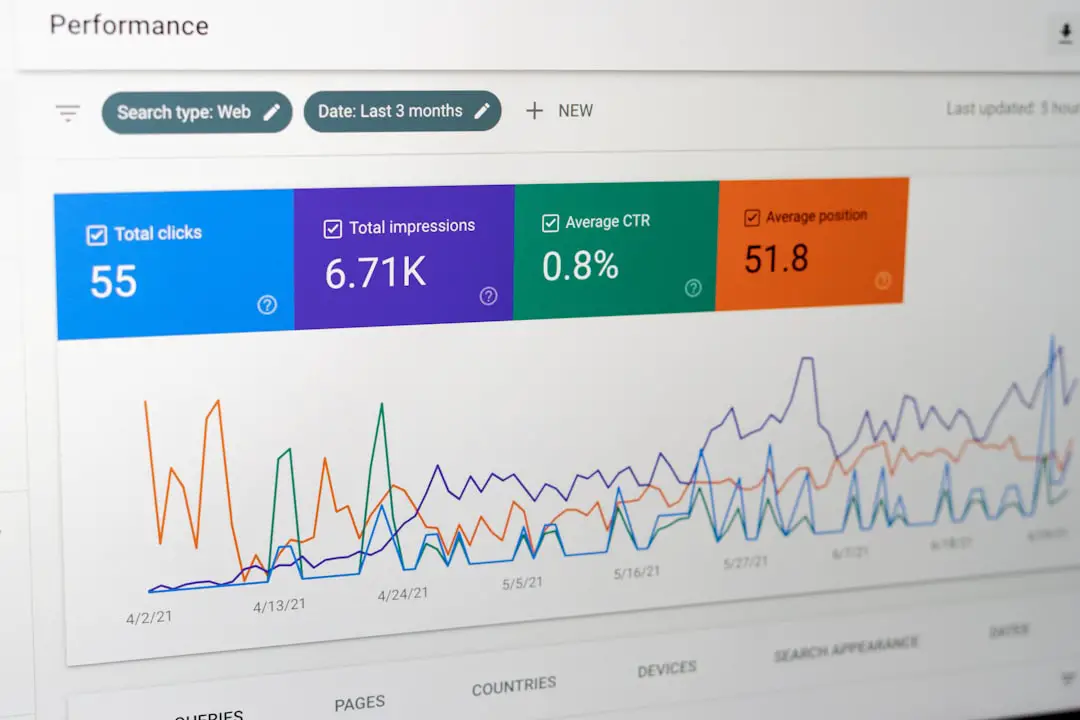
By dragging and dropping deals between stages, agents maintain an accurate, real-time picture of their business. For brokers managing teams, pipeline reporting provides clarity into each agent’s performance and workload.
Centralized Communication for Better Client Experience
A fragmented communication process can confuse clients. Emails in one inbox, text messages on a separate device, and call notes on paper create inconsistency. Real estate CRMs centralize all interactions in one timeline.
This unified view means:
- Every team member can see conversation history
- No repeated questions are asked
- Clients receive seamless service even if their main agent is unavailable
- Important details are never overlooked
For teams especially, this transparency is essential. When assistants, buyer’s agents, and listing agents collaborate within the same system, productivity increases without sacrificing personalization.
Data-Driven Decision Making
Beyond organization, modern CRM platforms help professionals measure what works—and what doesn’t. Reporting tools reveal trends that guide strategic decisions.
Key metrics often include:
- Lead response time
- Conversion rates by source
- Average time to close
- Agent performance comparisons
- Marketing ROI
If one advertising channel consistently produces higher-quality leads, agents can confidently allocate more budget to it. If response times lag during weekends, additional coverage can be scheduled. Data eliminates guesswork.
Over time, these insights create predictable revenue patterns, making it easier to forecast income and scale operations.
Scalability for Growing Teams
Solo agents often adopt CRMs to stay organized, but the real transformative power emerges as teams grow. Expansion without systems leads to confusion. Expansion with a robust CRM leads to scalability.
Team-based CRM features often include:
- Role-based permissions
- Lead distribution rules
- Shared templates and scripts
- Performance dashboards
- Internal messaging and collaboration tools
By standardizing processes across agents, brokers ensure consistent client experiences. New team members can onboard faster because workflows are predefined inside the platform.

Instead of building operations around personalities, firms build around systems—making the business less dependent on any single individual.
Integrations That Enhance Efficiency
Today’s real estate CRM platforms rarely function alone. Instead, they integrate with other essential tools to create a connected ecosystem.
Common integrations include:
- Email marketing platforms
- Calendar applications
- Transaction management software
- Digital signature tools
- Accounting systems
This interconnected infrastructure reduces manual data entry and duplication. When an appointment is scheduled in the CRM, it syncs to the agent’s calendar. When a deal closes, client information can transfer to an accounting system automatically. Efficiency multiplies across the entire workflow.
Improving Client Retention and Referrals
Real estate is not just about acquiring new clients—it is about nurturing past ones. Repeat business and referrals often generate the highest return.
A CRM can schedule long-term follow-ups months or even years after a closing. Automated home anniversary emails, market updates, or personalized check-ins keep relationships alive.
Staying connected without feeling intrusive becomes significantly easier when reminders and templates are built into the system. Over time, this structured engagement turns satisfied clients into repeat buyers and enthusiastic advocates.
Choosing the Right CRM Platform
While platforms like Follow Up Boss are popular for their real estate-specific features, selecting the right CRM depends on individual business needs.
When evaluating options, consider:
- Ease of use: Is the interface intuitive?
- Customization: Can pipelines and workflows be tailored?
- Automation capabilities: How advanced are follow-up sequences?
- Integration options: Does it connect with existing tools?
- Reporting features: Are insights actionable and clear?
- Support and training: Is onboarding assistance available?
A CRM should simplify work—not complicate it. The best systems feel like a silent business partner operating behind the scenes.
The Future of Real Estate CRM Technology
As artificial intelligence and predictive analytics evolve, real estate CRMs are becoming even more sophisticated. Future-focused platforms already offer features like:
- Lead scoring based on engagement behavior
- Predictive follow-up suggestions
- Automated property recommendations
- Smart reminders powered by activity tracking
These innovations promise deeper personalization at scale. Instead of sending generic messages, agents can communicate based on behavioral signals and data patterns.
Ultimately, technology will never replace relationship-building in real estate. However, it dramatically enhances an agent’s ability to nurture, track, and close deals efficiently.
Conclusion
Real estate CRM platforms like Follow Up Boss have reshaped how agents and teams manage their businesses. By centralizing lead capture, automating follow-ups, visualizing pipelines, and providing actionable analytics, these systems transform scattered information into organized opportunity.
In a competitive marketplace where response speed, consistency, and personalization matter more than ever, relying on memory or manual spreadsheets is no longer sufficient. A well-implemented CRM does more than store contacts—it creates structure, accountability, and predictable growth.
For agents seeking to convert more leads, close more deals, and build lasting client relationships, adopting a powerful real estate CRM may be the single most impactful decision they can make.